Minier‘s Hometown News Site

Entertainment|Berlin International Film Festival
A Rhythm the Regime Couldn’t Control

Narciso

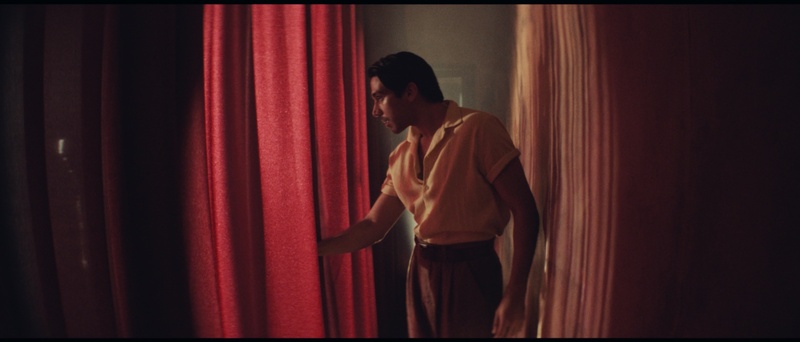
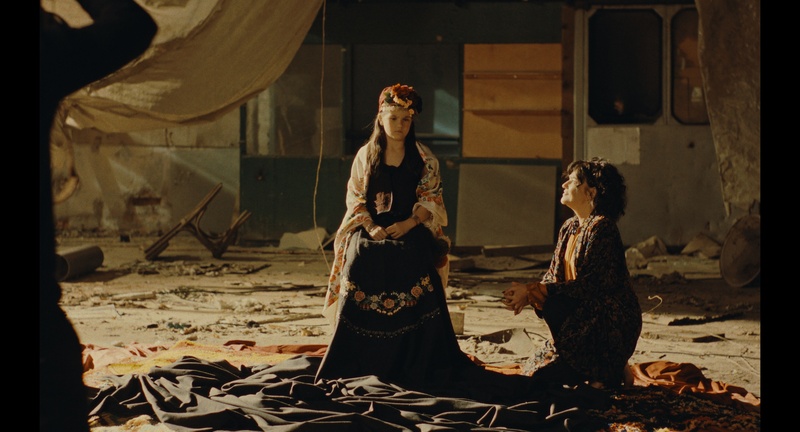
What happens when desire becomes visible in a society that survives by pretending not to see it? Set in Asunción in 1959, NARCISO unfolds at the precise moment when repression and possibility briefly occupy the same space. Rock ’n’ roll drifts into Paraguay like a strange external pulse, carrying warmth, speed, and the illusion that time itself might loosen its grip. For a fleeting moment, the city feels younger, more porous, as if something new might be allowed to take root. But that doesn’t arrive alone. Running beneath it is another cadence, slower and heavier, imposed by a military regime consolidating its authority through discipline, moral policing, and fear. The collision of those forces defines the film’s emotional grounding.
Home As an Idea That Keeps Receding

A Russian Winter (Un hiver russe)

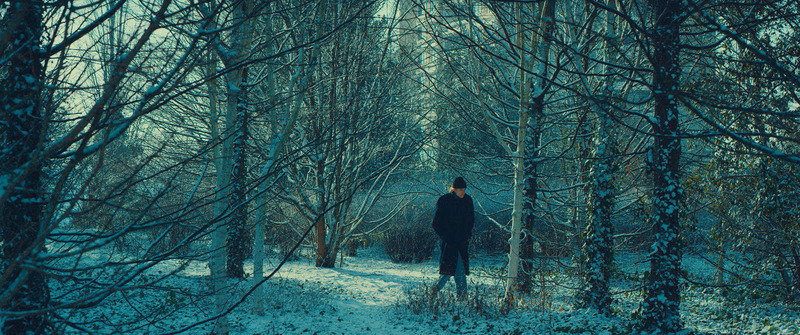
What happens after you refuse to become what your country demands of you, and where do you go when that refusal costs you everything? That question hangs over A RUSSIAN WINTER from the beginning, not as a rhetorical device, but as a lived condition. Patric Chiha doesn’t frame his documentary around shock, urgency, or outrage. Instead, he situates the film in a colder, more unsettling space, the long emotional winter that follows a decision when there is no clear reward for doing the right thing.

Sometimes Going Back Isn’t Healing

Nina Roza (Fleur bleue)

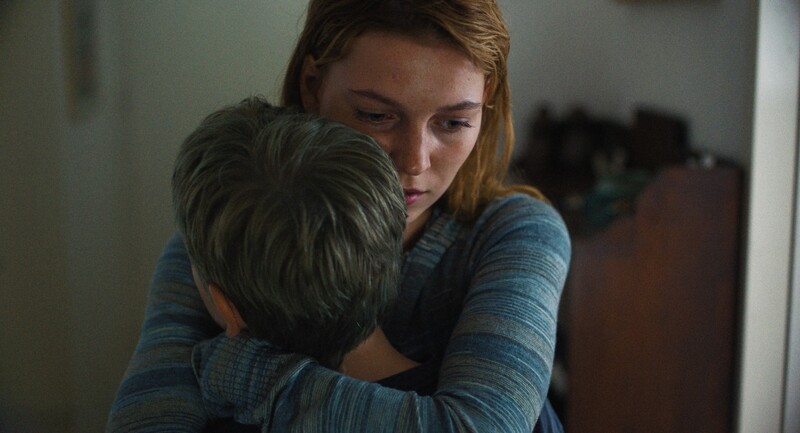
What happens when returning home feels more like meddling than staying away? NINA ROZA builds tension around that question throughout, crafting a restrained, deeply reflective drama about displacement, authorship, and the ethics adults impose on children in the name of art. Geneviève Dulude-De Celles follows her acclaimed debut, UNE COLONIE, with a film that feels more expansive yet more inwardly focused, less concerned with revelation than with reckoning.

Growing up Means Leaving Something Behind

The River Train (El Tren Fluvial)

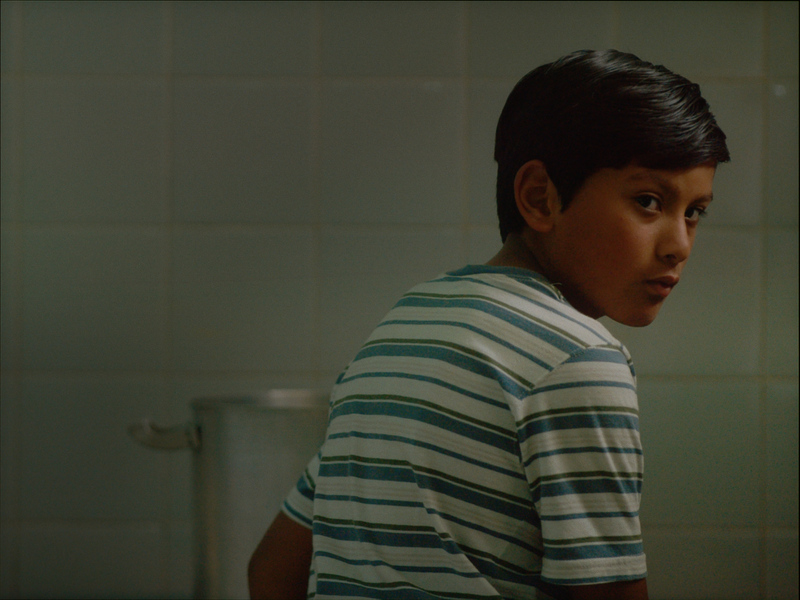
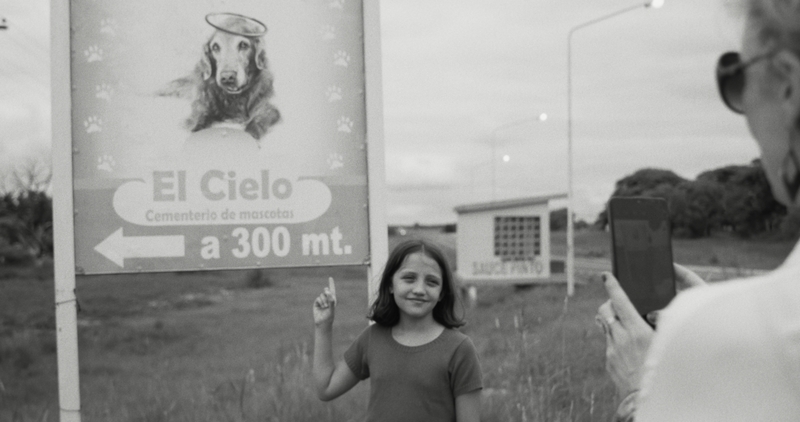
What happens when a child’s dream is quieter than rebellion, but heavier than duty? THE RIVER TRAIN has that question deeply embedded in every frame, and it never pushes to answer it. Instead, this debut feature from Lorenzo Ferro and Lucas A. Vignale settles into the emotional landscape of childhood restraint, where desire exists long before the language to express it.

The Courage to Restart

Chimney Town: Frozen in Time (映画 えんとつ町のプペル 〜約束の時計台〜)

What happens to a child when the world keeps moving but their heart stays frozen at the moment of loss? CHIMNEY TOWN: FROZEN IN TIME builds its entire framing and structure around that question, using fantasy not as escape, but as a language for grief, belief, and the fear of standing still. Director Yûsuke Hirota returns to the universe first introduced in POUPPELLE OF CHIMNEY TOWN with a sequel that’s quieter, more inward-looking, and more emotionally deliberate, aimed less at extravaganza than at clarity.

Love That Fractures Under Observation

A Family

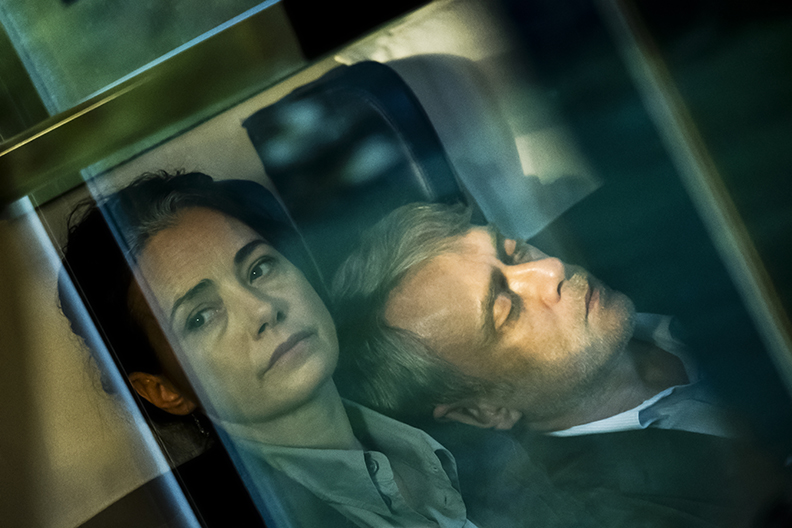
What changes when the same story is told multiple times and both versions are true? A FAMILY builds the entirety of the story around that question, using structure as a moral lens. Mees Peijnenburg’s latest feature approaches divorce not as an incident, but as a lived condition, one that reshapes perception depending on where you stand, how old you are, and how much agency you’re allowed to claim.

Roots As Resistance, Not Restraint

Papaya

What does freedom look like when the thing you are running from is also the thing you are meant to become? PAPAYA opens with that question embedded in its premise, and rather than answering it immediately, the film lets the idea stretch, bend, and grow alongside its protagonist. Priscilla Kellen’s debut feature is an animated story built on movement, curiosity, and resistance, but it’s ultimately about learning when motion is survival and when it becomes avoidance.

Inheritance, Imagined and Real

Paradise

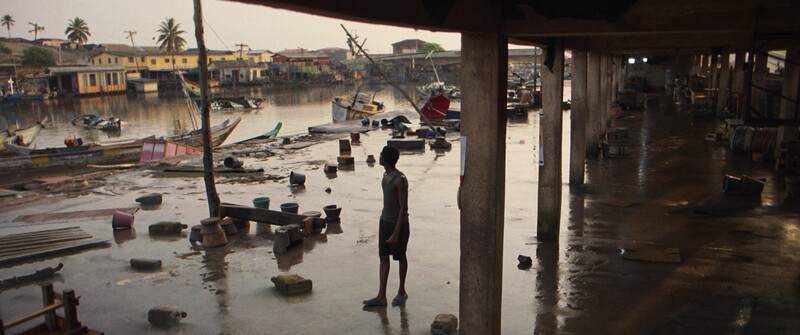
What do we inherit when the person we’re supposed to become is missing? PARADISE begins with the presence of absence, and not as a mystery to be solved, but as a situation to be endured. Jérémy Comte's first feature-length film explores two narratives set across the ocean from each other, and while the plots have little in common, they are linked by their emotional importance.

Conviction Without Martyrdom

Yellow Letters (Gelbe Briefe)

What happens to a family when punishment appears without explanation, without appeal, and without a face to confront? In YELLOW LETTERS, Director İlker Çatak returns to the theme of institutional authority he first explored in THE TEACHERS’ LOUNGE (an Oscar-nominated film, and one of my favorites of that year), this time looking outwards at how State Power erodes lives through paperwork, silence, and apathy. Rather than focusing on chaos or violence, Çatak illustrates how the State disintegrates the structure of families quietly and with impunity. The title YELLOW LETTERS represents the film's approach to depicting how State Authority operates to erase lives. These letters aren’t bold declarations of intent, but are instead tools designed to silently eliminate the very existence of those who have been targeted.

A System That Forces the Knife Into Your Hand

I Understand Your Displeasure (Ich verstehe Ihren Unmut)

How Much Damage Can Be Done Without Raising Your Voice? I UNDERSTAND YOUR DISPLEASURE takes place in the soft-spoken question of everyday compromise; messages are always polite, meetings are serene, and harm is perpetrated with a smile. Kilian Armando Friedrich's first feature-length film is about indirect power, not through brutality, but through process, and it is chilling in its clarity.

Can a Portrait Capture More Than a Face?

Leibniz – Chronicle of a Lost Painting

Capturing the mind of a philosopher on film is no easy feat. Ideas are fluid, constantly evolving, and rarely confined to a single moment. LEIBNIZ – CHRONICLE OF A LOST IMAGE tackles this challenge head-on, turning what could have been a dry historical account into a spirited, intimate exploration of thought, art, and perception. Instead of condensing the entirety of Gottfried Wilhelm Leibniz’s intellectual legacy, Edgar Reitz zeroes in one section, allowing the audience to experience the clash of minds in real time. The result is a film that unfolds like a carefully constructed puzzle, questioning the very nature of representation.

Silence, Control, and the Fight to Be Heard

1001 Frames

Auditions are meant to be a stage for talent, a chance for aspiring actors to bring characters to life. But in 1001 FRAMES, that stage quickly morphs into something far more unsettling—a place where power, manipulation, and control take center stage. Mehrnoush Alia’s debut feature doesn’t just depict an audition process; it deconstructs it, exposing the cracks in an industry where ambition is too often met with exploitation. What begins as a casting call for the role of Scheherazade in 1001 NIGHTS soon unravels into an exploration of authority and the dangerous ways it can be abused.

What Happens When Innocence Meets Exploitation?

The Message (El mensaje)

Every so often, a film comes along that feels like a whisper in the wind—subtle, powerful, and impossible to ignore. THE MESSAGE doesn’t rely on grand spectacle or high-stakes drama but thrives in quiet spaces where emotion and meaning simmer beneath the surface. It’s a story about innocence meeting the harsh realities of the world, a road trip-style movie in which the journey is as much about self-discovery as it is about the destination.

When the Future Changes, What Comes Next?

Beginnings (Begyndelser)

This film becomes something more by immersing the audience in life's quiet, inescapable moments. BEGINNINGS thrives on its ability to capture the unspoken tensions, the weight of regret, and the persistence of love in unexpected places. With director Jeanette Nordahl, who understands the power of restraint and leads performances that bring nuance to every scene, it crafts a deeply human story that lingers well beyond its final moments.

An Unflinching Look at a Broken System

We Believe You (On vous croit)

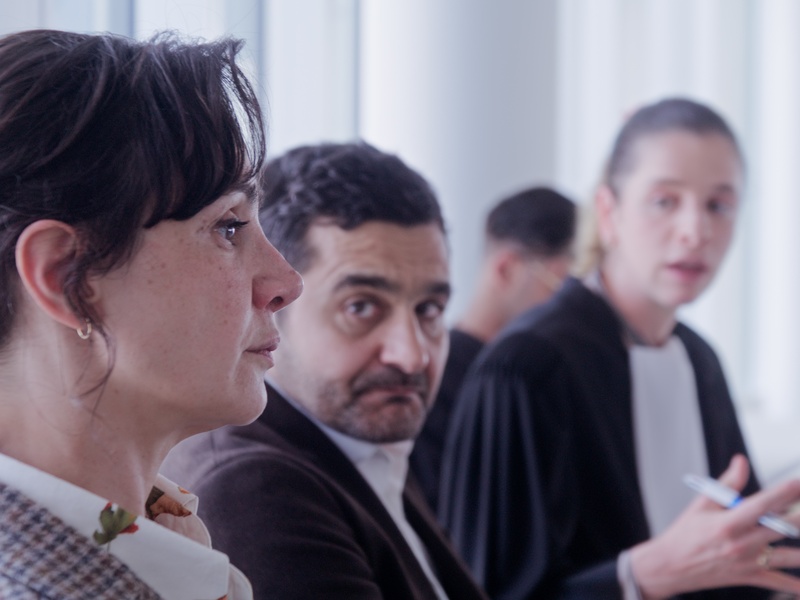
This gripping and deeply personal legal drama doesn’t just tell a story—it immerses its audience in an all-too-real nightmare. It is the kind of nightmare that plays out in courtrooms every day, where survivors are forced to prove their suffering while the system scrutinizes their every word. With its intensity, stripped-down realism, and deeply affecting performances, this film doesn’t just ask for your attention—it demands it.

When Propaganda Becomes History, Who Owns the Truth?

Under the Flags, the Sun

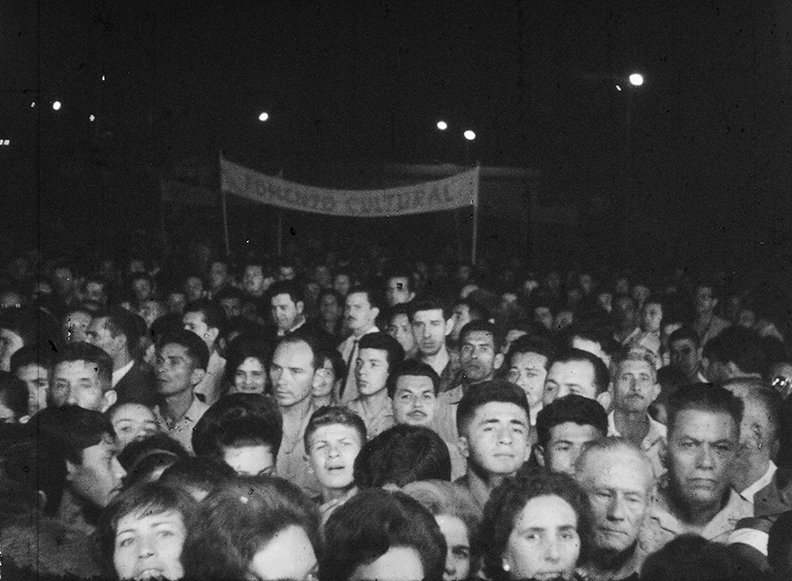
The victors often write history, but sometimes, it’s preserved by the tools used to manipulate the public. UNDER THE FLAGS, THE SUN uncovers a long-forgotten collection of state-controlled media, offering a raw, unfiltered look at how an authoritarian regime shaped perception, controlled narratives, and left a lasting imprint on a nation’s identity. This isn’t a traditional documentary with talking heads and modern analysis—it’s an excavation of propaganda, allowing the past to tell its own story through the very footage that once kept a dictatorship in power. While the film is not directly related to what is currently happening in the United States, I can’t help but see the parallels as a citizen. These horrors are repeating themselves while so many celebrate.

A Reality-Bending Story That Redefines Normalcy

How to Be Normal and the Oddness of the Other World

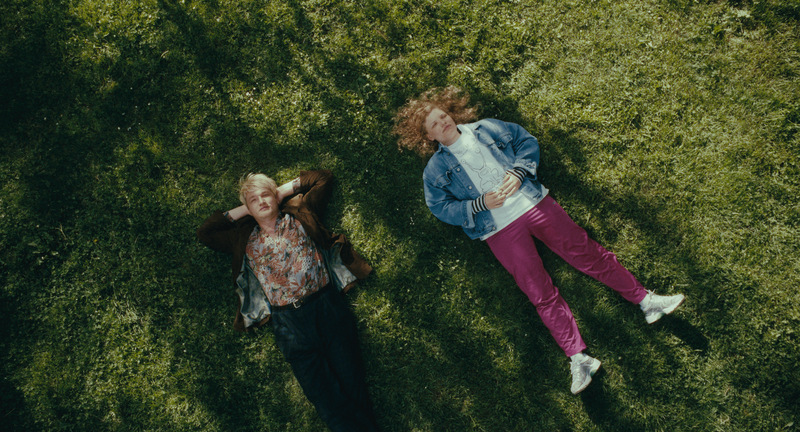
Some stories take audiences on a journey, guiding them from point A to point B with clear direction. Others break apart expectations, immersing viewers in a chaotic, unpredictable experience that feels as fluid as real life. HOW TO BE NORMAL AND THE ODDNESS OF THE OTHER WORLD is firmly in that category, delivering a visually experimental, narratively fragmented, and emotionally resonant exploration of mental health, identity, and the shifting perceptions of reality. Directed by Florian Pochlatko, this debut feature refuses to play it safe, leaning into surrealism, dark humor, and a unique approach to storytelling that challenges the notion of what it means to be "normal."

The Most Unfiltered Documentary You’ll Ever See

Special Operation (Spetsialna Operatsiia)

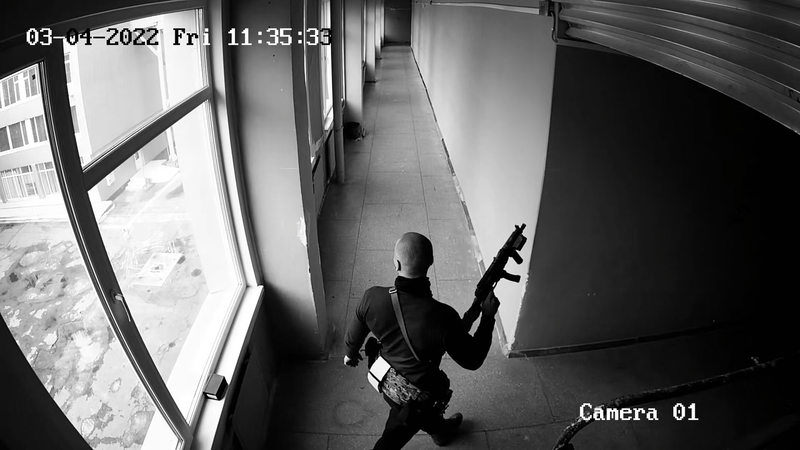
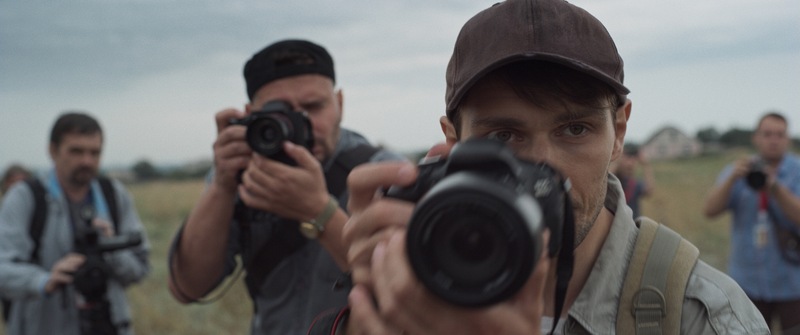
Some documentaries take you deep inside a moment in history, but few drop you into the middle with such unfiltered intensity. SPECIAL OPERATION does exactly that, offering an unflinching look at the Russian military's reckless occupation of the Chornobyl Nuclear Power Plant during the early days of the 2022 invasion of Ukraine. What sets this film apart is its approach—it doesn’t rely on interviews, dramatizations, or external commentary. Instead, it presents the occupation as captured entirely through the silent, unblinking lens of the facility’s CCTV cameras.

A Quiet Storm of Emotion and Memory

Where the Night Stands Still (Come la notte)

WHERE THE NIGHT STANDS STILL is a movie that aims to make you feel something profound, but whether that feeling lands depends entirely on the viewer. It’s built around a quiet, contemplative story about three Filipino siblings, all domestic workers in Italy, who reunite in their late sister’s villa. Throughout a single night, they navigate unspoken tensions, buried emotions, and the heavy weight of a past that refuses to stay buried. The film leans heavily into its minimalist approach—subtle performances, sparse dialogue, and long, lingering shots meant to emphasize everything that isn’t being said. Some will find it poetic; others, like myself, might feel it’s more about aesthetics than storytelling.

A Psychological Chess Game

Hysteria

This film refuses to let its audience sit comfortably. It builds a world where perception is a battlefield, and truth is a shifting target, pulling its characters—and viewers—into an intricate game of ideology, control, and deception. What starts as a seemingly isolated incident quickly spirals into a tangled web of conflicting histories, where the most dangerous weapon isn’t action but interpretation. At its center is a protagonist forced to navigate a space where every choice—whether to speak or stay silent—holds consequences. The result is a psychological puzzle that never hands over easy answers, demanding engagement rather than passive observation.

A Community's Battle With Shadows

Who Do I Belong To (Mé el Aïn)

In WHO DO I BELONG TO, the sweeping landscapes of Tunisia set the stage for a compelling drama that weaves the personal with the political. Aicha's (Salha Nasraoui) life, marked by routine and simplicity, is thrust into chaos with the return of her son Mehdi (Malek Mechergui.) This film is an emotional voyage into the heart of family bonds, where love and truth collide. Meryam Joobeur invites us into a vividly drawn world where each frame tells a story rich with the textures of Tunisian life. The passion and heart are evident in every scene of the film; you can tell that Joobeur gives her everything in every frame created.

The Lasting Impact of Film on Learning

Subject: Filmmaking

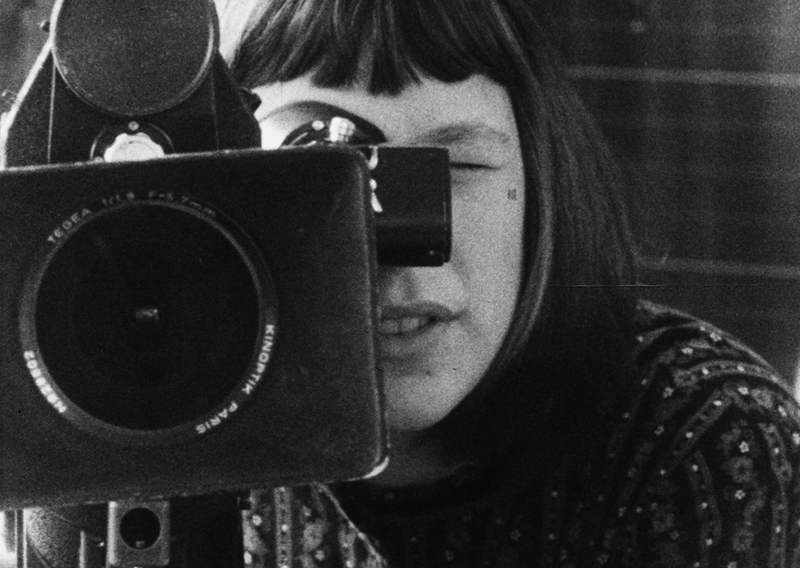
From a visual standpoint, if you’ve seen the 1968 documentary HIGH SCHOOL, you’ll feel right at home watching SUBJECT: FILMMAKING. This compelling documentary charts an audacious experiment in film education led by Edgar Reitz in 1968. This documentary offers an inspiring tale of how a Munich classroom became the breeding ground for a new way of learning about cinema. Fast-forward to an unexpected reunion in 2023, the film reveals the lasting impact of this bold venture on its participants and the broader world of film. From its opening scenes, the documentary captures your imagination with a mix of history, depth, innovation, and the excitement of creating something groundbreaking.