Danvers‘s Hometown News Site

History Told by the Survivors

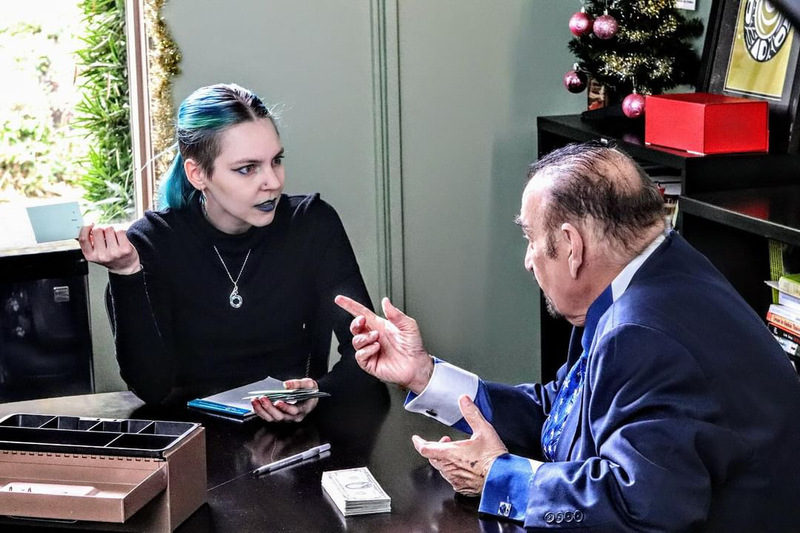
The Other Roe

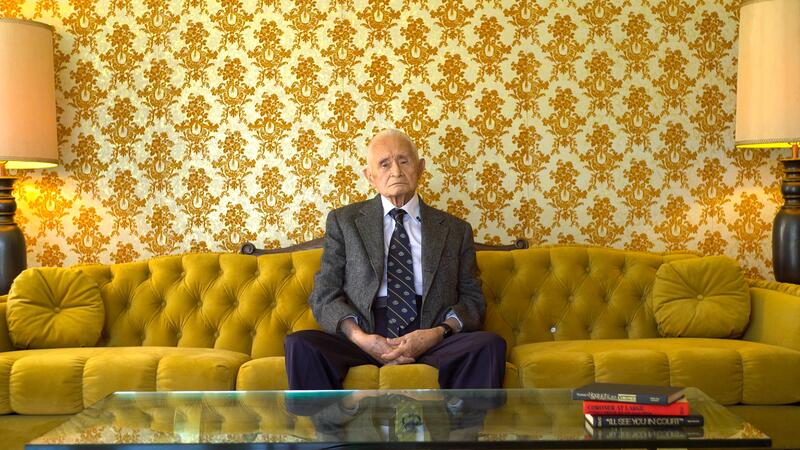
Who decides which victories are remembered and which are quietly buried? THE OTHER ROE builds its entire purpose around that question, then answers it with precision, restraint, and clarity. In just sixteen minutes, the film accomplishes what many feature-length documentaries struggle to do: it reframes a foundational moment in American history without grandstanding, and it restores credit where it has been systematically withheld.

A Movie That Knows Its Audience

Five Nights at Freddy's 2

At what point does lore stop enriching a movie and start replacing it? That question defines FIVE NIGHTS AT FREDDY’S 2, a follow-up that clearly understands its audience but struggles to justify itself to those who aren’t diehards. Where the first entry attempted to introduce a broader crowd to Scott Cawthon’s dense mythology, this sequel largely abandons that bridge-building in favor of immersion, recognition, and expansion. For fans, that approach has obvious appeal. For everyone else, it creates a movie that often feels like it’s speaking a language it never bothers to teach.

Silence Is the Loudest Thing in the Room

Magid / Zafar

What happens when the person who knows you best is also the one you’ve actively been avoiding? MAGID / ZAFAR chases this question with relentless intensity, turning it into a pressure cooker for identity, masculinity, and emotional avoidance. In just eighteen minutes, director Luís Hindman delivers one of the most viscerally direct British shorts in recent years, a film that doesn’t just depict tension but manufactures it moment by moment until escape feels impossible.

Nostalgia As Reckoning, Not Comfort

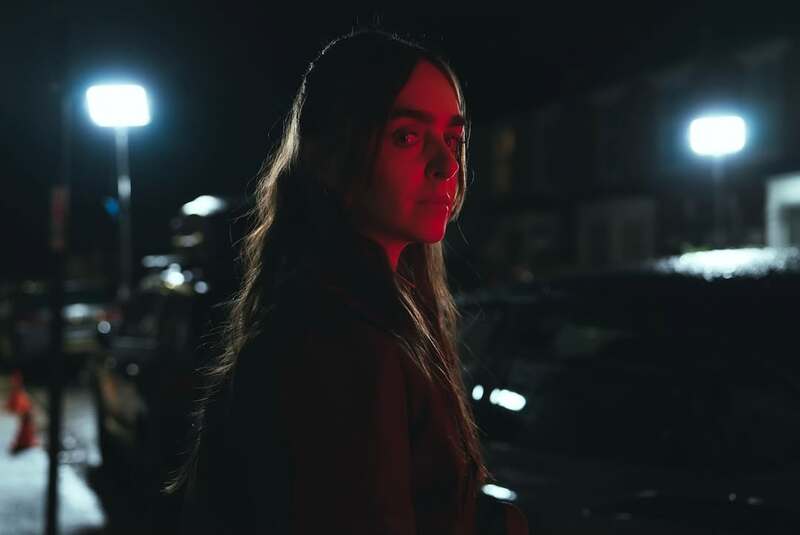
Nostalgie

What happens when something you made to escape becomes something others used to survive, or worse, to justify harm? That question hangs over NOSTALGIE from its opening, shaping the film not as a tale of faded fame but as a quiet, devastating examination of authorship, complicity, and the myths artists tell themselves to stay afloat. At just nineteen minutes, Kathryn Ferguson’s BAFTA-nominated short manages to feel both intimate and expansive, never rushing its ideas yet never overcomplicating its message.

Time Loops, AI, and Human Stupidity

Good Luck, Have Fun, Don't Die

What do you do when the world feels on edge, and every new technological promise sounds like a threat dressed up as convenience? GOOD LUCK, HAVE FUN, DON’T DIE doesn’t offer comfort, clarity, or solutions. Instead, Gore Verbinski returns to filmmaking by throwing gasoline on that anxiety and daring the audience to keep up. This is a loud, restless, deliberately overstuffed movie that treats chaos as both subject and method, and it never pretends otherwise. Everything you think you know about this film is wrong, and ultimately, in the best way possible.

When Being Seen Becomes the Real Fantasy

By Design

What happens when the desire to be loved curdles into the desire to disappear? BY DESIGN doesn’t ask that question softly, and it certainly doesn’t bother cushioning the answer. Amanda Kramer’s feature takes an absurdist premise that sounds like a punchline and commits to it with absolute seriousness, using surrealism not as a stylistic lens, but as a blunt instrument for interrogating female interiority, objectification, and the fantasy of frictionless existence.

It’s Only Rock ‘n’ Roll, but I Like It

Rolling Stones: Let's Spend the Night Together (4KUHD)

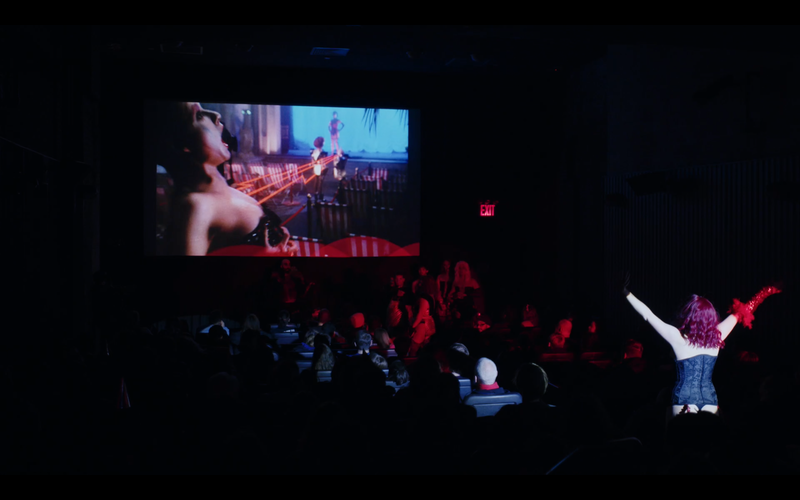
What does it mean to watch a band at full strength when you already know what they’ll become decades later? LET’S SPEND THE NIGHT TOGETHER doesn’t just document the Rolling Stones’ 1981 U.S. tour; it captures a rare moment when scale, stamina, and self-mythology briefly aligned without fully calcifying into legacy management.

Trust Is the Real Experiment

Honey Bunch

What does it mean to help someone you love when the cost of that help is never defined? HONEY BUNCH has that question deeply embedded in its premise, then spends nearly two hours refusing to let the audience resolve it. Rather than positioning itself as a puzzle-box thriller or a pure body-horror production, the film commits to something more emotionally destabilizing: a love story in which devotion is both the pulse and the exposure.

Hollywood Learns to Argue With Broadway

Broadway on the Big Screen-6-Film Collection [Blu-ray]

What happens when Broadway’s most enduring myths are frozen in celluloid, then revisited decades later, not as nostalgia pieces but as living documents of performance, desire, and contradiction? That’s the challenge at the heart of BROADWAY ON THE BIG SCREEN, a six-film collection that doesn’t ask you to love every note or every choice, but instead invites you to sit with how wildly different these adaptations are in tone, ambition, and intent.

Neo-Noir by Way of Constraint

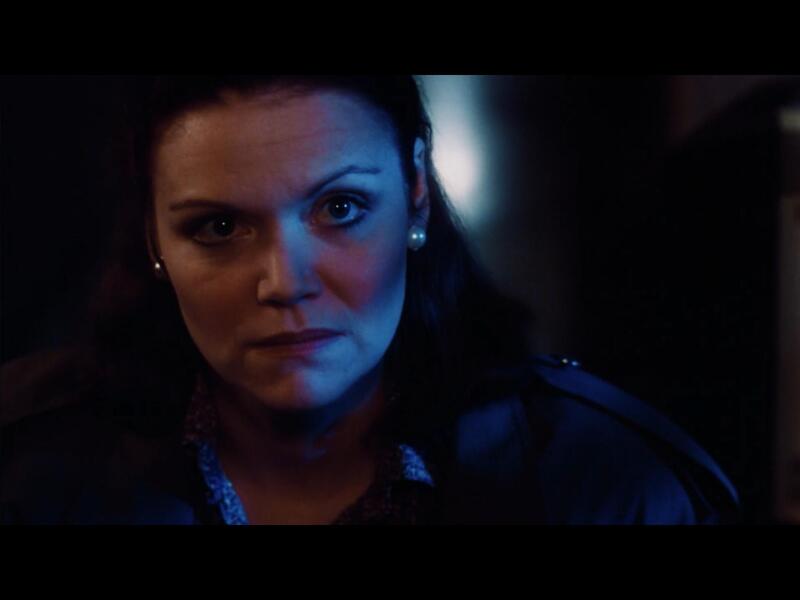
Misdirection

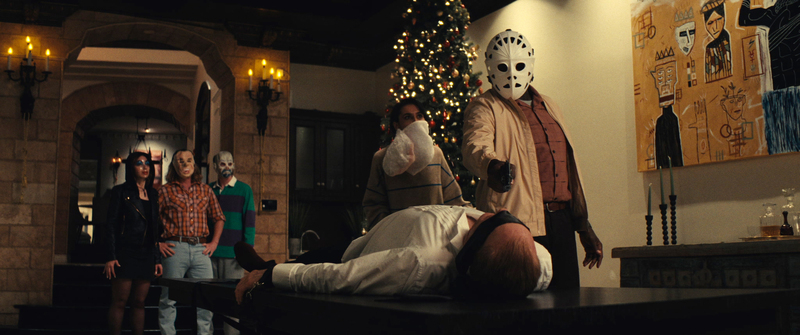
What does a home-invasion thriller owe its audience when it’s built almost entirely on escalation? MISDIRECTION answers that question with a focus on nostalgia while creating its own path forward, if not always with depth. This is a lean, tightly wound genre piece that understands its limitations and chooses momentum over overstatement, even when that choice occasionally exposes thin character shading or narrative shortcuts.

When Grief Takes Root, It Doesn’t Let Go

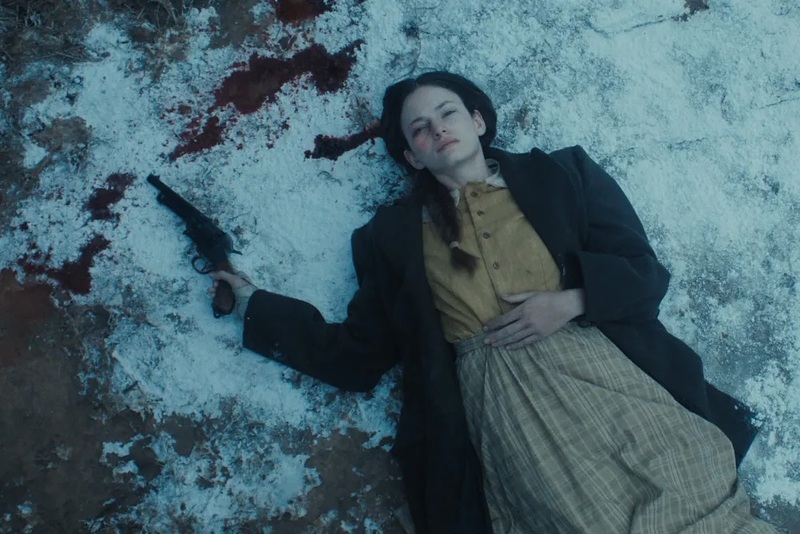
The Arborist

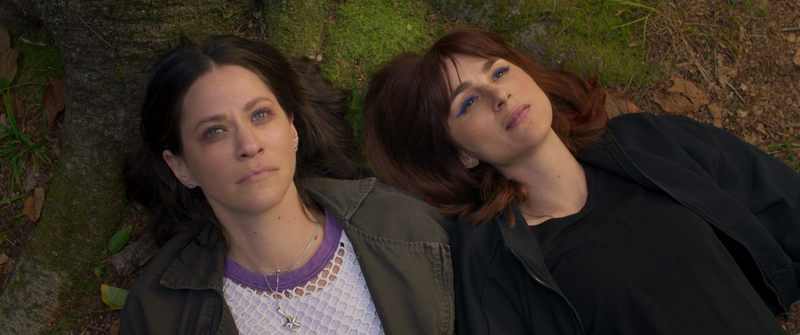
How long can grief sit inside a person before it starts shaping everything around them? THE ARBORIST builds its entire identity around that question, using folk horror not as a gimmick but as a framework for emotional decay. This isn’t a film interested in jump scares or cheap provocation. Instead, it settles into the dirt below you and waits, allowing unease to accumulate, as rot does, slowly and invisibly, until it becomes impossible to ignore.

Why Maus Still Provokes Resistance

The Hell of Auschwitz: Maus by Art Spiegelman (Récit de l'enfer d'Auschwitz - Maus d'Art Spiegelman)

How do you revisit a work that already reshaped how history is told without diminishing its impact on the world? THE HELL OF AUSCHWITZ: MAUS BY ART SPIEGELMAN approaches this challenge carefully, refusing to position itself as a definitive statement on Maus and instead framing the graphic novel as a living object that continues to provoke, educate, and agitate select people decades after its publication.

Predators Thrive Where Trust Is Assumed

Teacher's Pet

What happens when a system designed to shape young minds becomes a hunting ground instead? TEACHER’S PET takes a premise that feels uncomfortably plausible and refuses to treat it as a metaphor or exaggeration. Writer/director Noam Kroll’s psychological thriller frames the academic environment not as a refuge, but as a system built on trust, authority, and access. These very conditions make it vulnerable to exploitation.

A Film That Understands the First Year Never Really Ends

Removal of the Eye

What happens to a sense of self when every hour of the day becomes organized around keeping another human alive? REMOVAL OF THE EYE begins from that muted panic, not as a conceptual exercise, but as lived reality, captured in real time by filmmakers Artemis Shaw and Prashanth Kamalakanthan as they document the first year of parenthood without the comfort of distance or hindsight. This isn’t a film about learning lessons or arriving with an understanding of clarity. It’s about survival, and the fragile hope that meaning will emerge once the exhaustion lifts.

Comfort Can Still Be Uncomfortable

Jimpa

What happens when doing the right thing for your child means reopening wounds you never fully processed yourself? JIMPA places the core of its story around that uneasy question, placing a mother, her nonbinary teenager, and her aging gay father in the same emotional sphere and refusing to let any of them escape without consequence. Rather than building toward a single answer, director/co-writer Sophie Hyde’s deeply personal film settles into the discomfort of competing truths, asking how love, autonomy, and responsibility coexist when family history refuses to stay quiet.

Vampirism Stripped of Power Fantasy

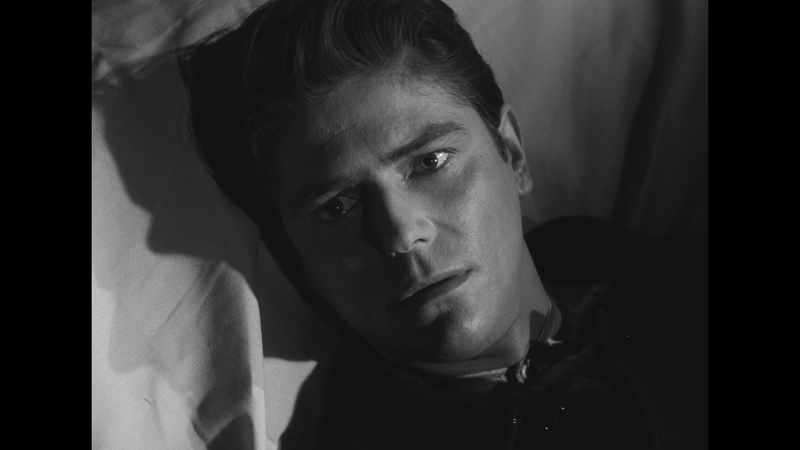
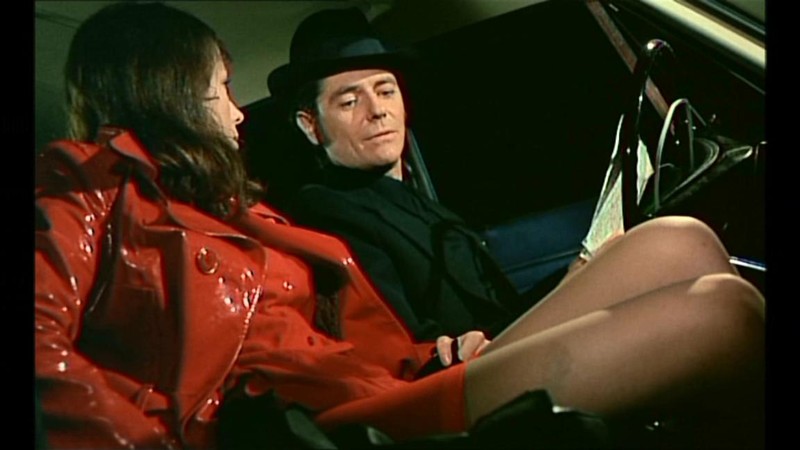
Nadja

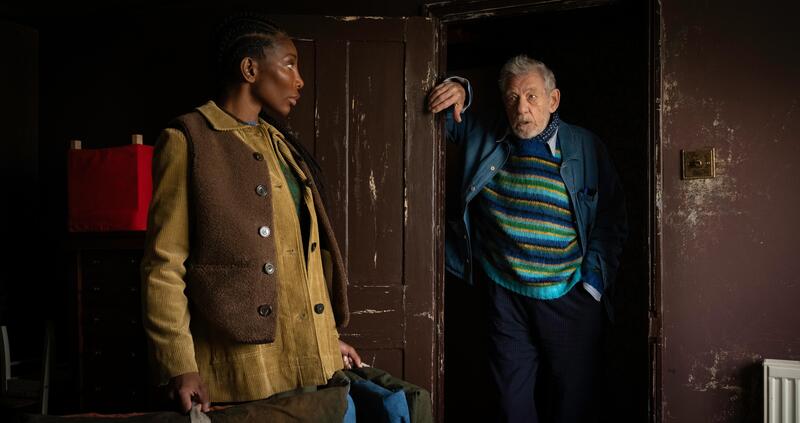
What does immortality look like when it no longer feels like power? NADJA opens inside that question and never allows the audience to escape it. Michael Almereyda’s 1994 vampire film doesn’t treat eternal life as myth, but as a condition shaped by boredom, longing, and misdirected need. Seen now in its newly restored Director’s Cut, the film feels less like an artifact and more like a transmission from a moment when American independent cinema briefly allowed genre to fracture into something personal.

Bloodlines, Branding, and Brutality

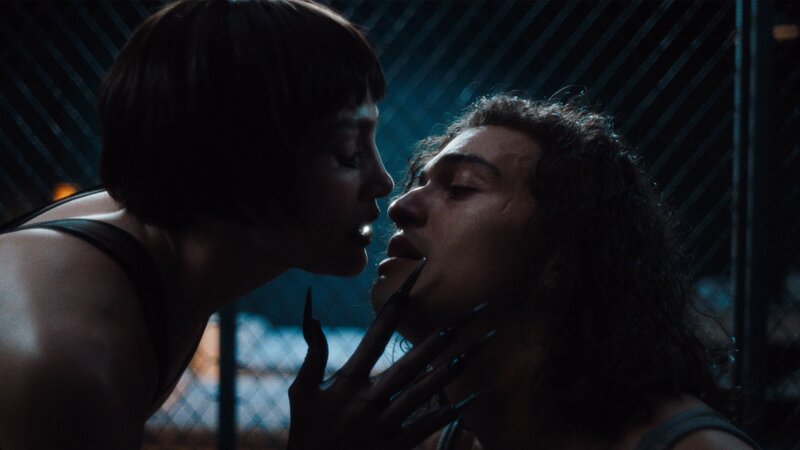
Lure

What does it say about modern ‘courtship’ when intimacy becomes a test of endurance rather than connection? LURE doesn’t flirt with that question; it drags it into the open and spills blood around it. Oliver Cox’s feature debut is a deliberately confrontational horror film, one that takes the structure of reality dating television ala THE BACHELORETTE and strips it of any pretense of romance, revealing the transactional cruelty lurking just beneath the surface.

Returning Home Without Pretending It’s Easy

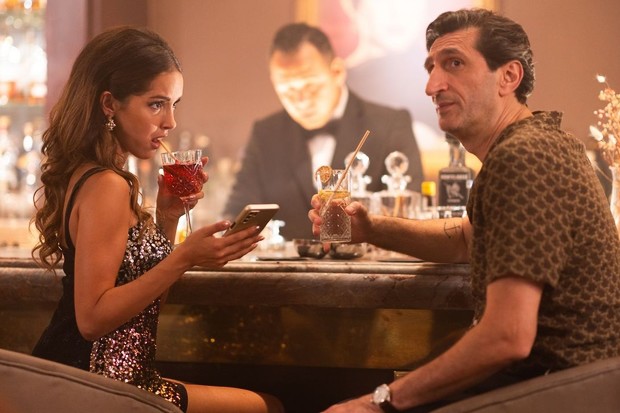
Aída y vuelta (Aida: The Movie)

What happens when a character built for laughter is asked to carry the weight of years that passed without an audience? AÍDA Y VUELTA answers that question without flinching. Rather than presenting itself as a victory lap or a nostalgia grab, Paco León’s film approaches its legacy head-on, acknowledging both the affection people still feel for these characters and the realities that time, grief, and economic pressure impose, whether anyone is watching or not.

Nostalgia Without the Sugar Coating

Everything Fun You Could Possibly Do in Aledo, Illinois

What do we owe the people we used to be, and how much of that debt is still unpaid decades later? EVERYTHING FUN YOU COULD POSSIBLY DO IN ALEDO, ILLINOIS builds its entire identity around that question, then refuses to answer it with cynicism, irony, or exaggerated quirk. Instead, it opts for something rarer and riskier in contemporary indie comedy: sincerity without apology. There’s heart, a lot of heart here in this film, and it's clear from start to finish!

A Series Squeezed Into a Feature Frame

Special Unit – The First Murder (Rejseholdet – Det første mord)

How do you dramatize the birth of a police force while confronting the corruption it was created to challenge? SPECIAL UNIT – THE FIRST MURDER tackles that question head-on, positioning itself not simply as a period crime thriller but as a foundational myth shaped by compromise, ambition, and institutional rot. Christoffer Boe’s reimagining of Rejseholdet’s (an actual elite police unit in Denmark tasked with assisting local police in solving serious, complex crimes across the country) origins isn’t concerned with nostalgia or comfort; it’s about the uneasy reality of power forming under pressure.

Education That Doesn’t Feel Like Homework

Why Dinosaurs?

Why do dinosaurs endure when so many other childhood fascinations fade with age? WHY DINOSAURS? doesn’t treat that question as a rhetorical hook; it treats it as a genuine mystery worth unpacking from every angle. From the outset, the film makes it clear that this isn’t a traditional nature documentary concerned with extinction events or anatomical breakdowns. Instead, it positions dinosaurs as a shared cultural language, one that bridges science, imagination, nostalgia, and identity across generations.