McLean‘s Hometown News Site

A Buddy Comedy That Rejects Humiliation As Humor

Stripper Boyz

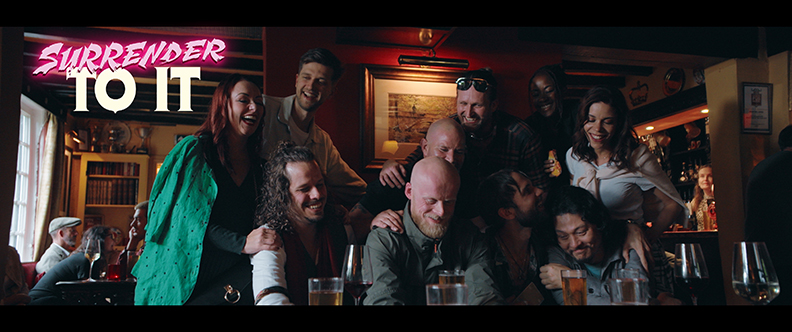
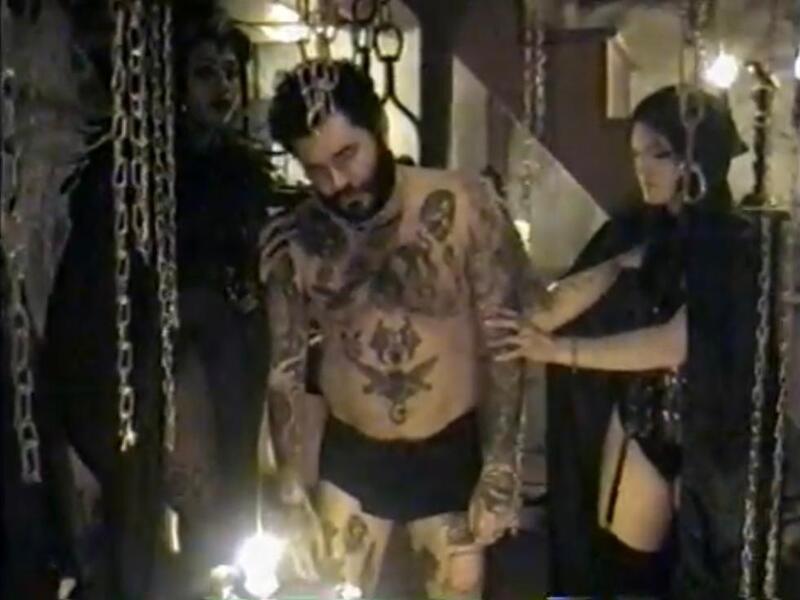
A bachelor party comedy usually starts with the same expectation: chaos, hangovers, bad decisions, and some attempt at clarity before the credits roll. STRIPPER BOYZ takes that blueprint and flips the premise, creating a surprisingly sincere experience without sacrificing the absurdity of watching two lifelong friends attempt to become male revue performers. Stephen brings his best friend Joe to Las Vegas for a bachelor weekend, and instead of hiring entertainment, the two decide they'll be the entertainment. Their mission is framed like a joke, but the film doesn’t treat it as a punchline. The goal is confidence, body positivity, and pushing past the kind of self-doubt that often hides behind humor. The result is a hybrid film that plays like both a narrative buddy comedy and a documentary about pushing beyond your comfort zone.

A Third Act That Reframes Sweetheart’s Whole Arc

Sloppy Sunday

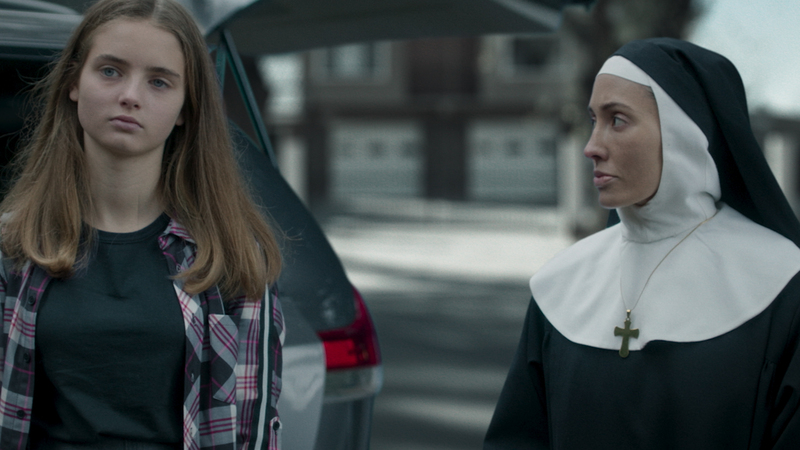
Most crime stories often live or die by how quickly the filmmaker can establish danger, desire, and motivation. SLOPPY SUNDAY is less concerned with building a sprawling criminal ecosystem than it is with capturing the exact moment a young woman decides she no longer wants to belong to someone else’s version of survival. The film follows Sweetheart, a young sex worker who quits working under her abusive pimp and tries to find a way out of town before she’s dragged back into the same world. The idea is simple, the execution is tight, and the short’s energy comes from watching a character who looks like she could be overpowered at any moment make decisions that flip that assumption on its head.

Addiction, Ego, Music, and a Night That Won’t End

Withdrawal

WITHDRAWAL doesn’t open with the kind of framing that tries to soften addiction into something cinematic. It drops us into the middle of a relationship that had long since become unsustainable, long before either character was ready to admit it. Two young lovers — a singer-songwriter with talent she can’t access and a boyfriend who mistakes loyalty for martyrdom — decide to kick heroin in the most chaotic way possible: alone, together, in a night full of pain they don’t have the tools to process. It’s a terrible plan, but the film understands why it feels like the only option they believe they have left.

A Chronicle of a World Without Rules

Wadd: The Life & Times of John C. Holmes

WADD: THE LIFE & TIMES OF JOHN C. HOLMES is not a documentary that sits quietly with an expected biography-style dive. It's blunt, direct, and in many ways deliberately unsettling, not because it tries to shock the audience, but because the subject’s life was already a spectacle of extremes. The film isn’t interested in softening Holmes’s story or turning him into a sanitized figure. Instead, it presents a portrait that forces viewers to consider how a reputation becomes a myth, how a person becomes a commodity, and how an era without boundaries creates figures who are never equipped to handle the consequences of their own fame. As a documentary, it functions both as a biography and a time capsule, revealing an industry that was being invented moment by moment, often faster than anyone could comprehend.

A New Religion Built From Student Loans and Bad Ideas

How to Start a Cult in 5-Easy Steps

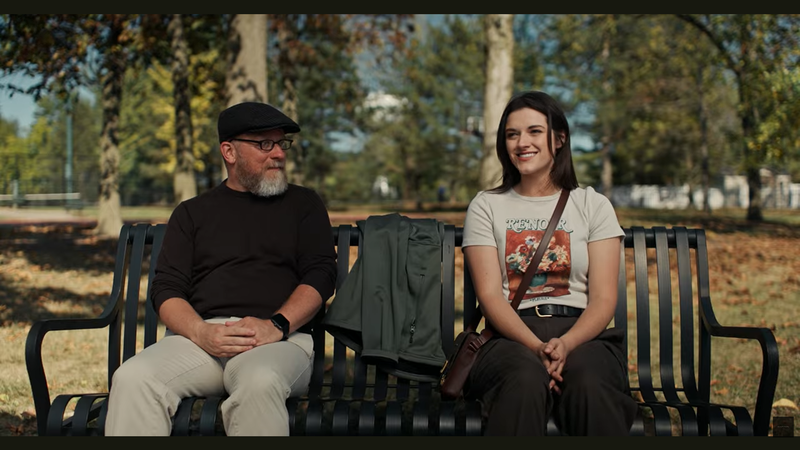
HOW TO START A CULT IN 5-EASY STEPS begins with a defeated college graduate examining the world for any sign that adulthood is supposed to feel better than survival. Instead of entering a career, he’s staring down a wall of debt that isn’t an abstract — it’s a direct reminder that he worked this hard and still ended up in the exact position he feared. That frustration becomes the spark for a strange plan: if confidence, charisma, and a pulpit lead to security, then why not build a pulpit of his own?

A Child Caught Between Silence and Survival

218

218 understands that childhood isn’t shaped by what adults say; it’s shaped by everything they refuse to explain. The film makes that idea feel contained to one apartment number, where an eight-year-old boy wakes up to the same unanswered questions every morning. His mother leaves without context. Two officers sit in the living room. The silence is supposed to keep him safe, yet nothing about the situation feels safe to him. The adults may control the problem, but the audience is positioned within the reality of a child abandoned by information.

Fear As a Physical Memory

The Phantom Pain

THE PHANTOM PAIN approaches addiction with a style that mirrors the internal state of its protagonist. Jack has decided to break his pill habit, only to find himself stalked by a voice that insists he isn’t finished with the drugs he’s trying to leave behind. The film uses a literal phone call as the physical manifestation of withdrawal, turning something internal and psychological into an external threat. Rather than lecturing the viewer on the dangers of addiction, it shows how a craving can impersonate reason — how temptation can speak in your own voice.

A House Full of Things Left Unsaid

Don't Mind Me

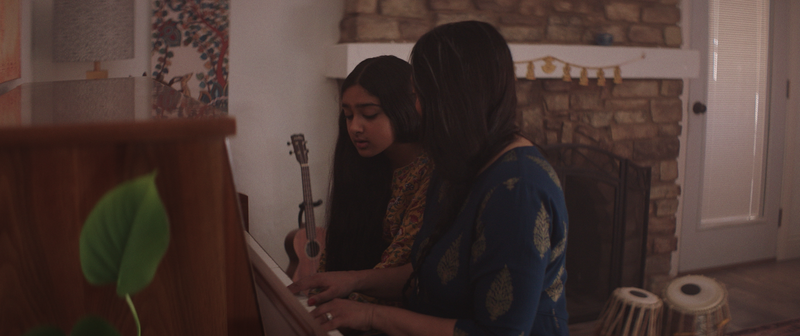
DON’T MIND ME looks like a story you’ve heard before: siblings reunite in the shadow of a painful past and are forced to confront unresolved history. On paper, the plot moves along the kind of narrative audiences know well. George, a career-focused son who has quietly collapsed under professional expectations, returns to his childhood home. Vanessa, his warm but rebellious sister, refuses to let go of the only space that represents their shared identity. What writer/director Isaiah Hoban Halvorsen does differently, though, is redirect the drama away from transformation and toward something murkier — learning to accept that some distances don’t disappear just because people live in the same space again.

A Letter Written to the Self You Used to Be

Acronymity

ACRONYMITY begins with an idea that sounds like pure science fiction, but the experience feels closer to a psychological reflection. A man wakes up in a world with no memory and nothing to hold onto except a cryptic acronym — CCNEN — that promises some form of meaning if he can unravel it. The film treats that coded fragment less like a plot device and more like an attempt to anchor identity when everything else goes missing. Where most sci-fi projects use mystery to escalate toward a reveal, this one uses mystery to hold the viewer in a suspended emotional state, inviting them to reflect on the discomfort of not knowing who they are.

Desire That Dismantles Everything

Visions

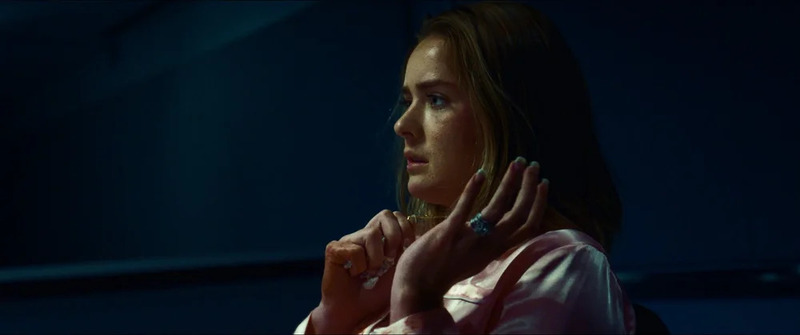
Some thrillers build their suspense through high-speed velocity, while others rely on the slow, deliberate destabilization of a character’s life. VISIONS falls into the second category, focusing on how a single encounter fractures the protagonist's worldview and pushes her toward an emotional and psychological unraveling. The film follows Estelle, an accomplished airline captain whose seemingly grounded life begins to shift after she crosses paths with Ana, a person from her past. What starts as a rediscovery of buried attraction quickly becomes a pressure point that distorts her life, her relationships, and ultimately her sense of what is real.

When Visibility Becomes Its Own Power

The Art of Being Seen

What does a documentary that tells the story of a moment in time mean? THE ART OF BEING SEEN rather than tackling the entire landscape of LGBTQIA2S+ representation in theater, it concentrates on a single performer navigating one community, one campus, one set of creative spaces. That focus gives the film its strength. It becomes personal instead of conceptual, driven by experience rather than abstract commentary.

Holding on When Time Moves Forward

In Loving Memory

Some short films aim for scale; others understand that intimacy can carry more weight than exhibition. IN LOVING MEMORY sits firmly in the second category. Clocking in at just four minutes, Kathryn Bravo’s animated short doesn’t try to overwhelm you with elaborate storylines or dramatic twists. Instead, it builds its emotion through restraint, reflection, and an understanding of how memory takes shape when someone you love is no longer present. The film’s brevity is not a limitation — it’s a deliberate choice that lets the emotional core land with clarity.

Hunting Comfort in a Confined Place

Al fresco

The setup is simple enough to feel familiar: someone steps into an apartment aiming to solve a problem, calm a fear, and mark the beginning of something. But AL FRESCO uses that familiar situation to pull you into something uncomfortable. It takes the promise of a dream and turns it into a compact study of how pressure, hope, and anxiety collide when you’re chasing stability you can’t quite grasp. This isn’t a story that aims for emotional sweep or complex structure. Instead, it’s a tightly controlled short that leans into its limitations and finds a strangely honest tension within them.

Foundational Influence on Modern Animated Comedy

Tom and Jerry: The Golden Era Anthology (1940–1958)

There’s something that warms the heart when you see classic animation treated like cinema history instead of a disposable library of children’s content. TOM & JERRY: THE GOLDEN ERA ANTHOLOGY acknowledges what longtime fans, animation scholars, and collectors have argued for decades: these shorts shaped American comedy as directly, if not more than, some of the films they played before, and they deserved a release that respects their artistry. This collection delivers exactly that. It’s the complete run of the original Hanna-Barbera era, presented with the type of care normally reserved for prestige restorations. The result isn’t nostalgia packaged for resale, but a reminder of how inventive the shorts were at their peak, how they endured for nearly 20 years, and how much personality could be communicated without a line of dialogue.

When Imagination Becomes a Co-Star

The Mother, The Menacer, and Me

The line between imagination and responsibility is a battlefield. THE MOTHER, THE MENACER, AND ME uses that conflict as its whole foundation, following a dreamer who never figured out how to time his dreams with his real-world obligations. The premise sounds absurd on paper: a young father still believes he can mount a career on a single idea while his life unravels around him. The twist that makes the film work is that his passion isn’t a joke to him. Somewhere inside all the comedy, something honest keeps pushing up through the edges.

The Sewer-Dwelling Icons Who Took Over the 90s

Teenage Mutant Ninja Turtles Trilogy | Limited Edition 4K UHD

The TEENAGE MUTANT NINJA TURTLES TRILOGY represents a moment in film history when practical effects reigned, comic-book adaptations embraced the fun, and a group of unlikely heroes became household names. Revisiting all three films together, especially through the incredible restoration and the extras-filled 4K set, offers a clearer view of how these movies became a cultural milestone. They aren’t just childhood favorites; they’re artifacts of a filmmaking philosophy built on craftsmanship, storytelling, and a sense of personality that modern CG-heavy blockbusters rarely replicate.

When Fixing the Dog Means Fixing Everything Else

Merv

The idea of using a dog’s emotional slump as the focus through which two people reconsider their own fractured relationship (surprisingly) isn’t new, but MERV approaches it with a charm that doesn’t feel recycled. It opens not with forced whimsy but with something quieter: the uneasy distance between people who once shared a life but now only share responsibilities. It’s the kind of setup that could tip into over-the-top comedy, but Jessica Swale handles the premise with a gentler touch, letting the audience understand the strain before pushing toward any sort of reconciliation. That restrained opening makes the story feel more honest.

A Remake That Reshuffles Motives and Morality

Silent Night, Deadly Night

For a series with eight or nine films (depending on what you count), this new version of SILENT NIGHT, DEADLY NIGHT walks a tightrope between homage and reinvention — and often it teeters dangerously, but it never quite falls off. Under Mike P. Nelson’s direction and screenplay, the film strips away much of the ’80s cult-slasher’s sleazy exploitation. It replaces it with a more emotionally fraught, character-driven origin of horror. The result is a remake that respects the legacy but isn’t afraid to rework its roots; one that aims for more than cheap shocks and holiday taboos.

For Cult Cinema Lovers, a Treasure Trove of Weirdness

Shawscope Vol 4 [Limited Edition]

SHAWSCOPE VOL. 4 has hit the point in the series where the veneer of classic martial-arts prestige drops away, and Shaw Brothers’ strangest takes in their catalog take center stage. This extraordinary sixteen-film set captures a period when the studio was throwing everything at the wall—superheroes, curses, demons, jiangshi, possession, sci-fi, wuxia fantasy, and supernatural horror. What emerges isn’t a thematic set of curated classics, so much as a snapshot of an industry evolving (and unraveling) in real time. The result is messy, unhinged, and irresistible.

A Thriller That Pushes Until It Snaps

Influencers

INFLUENCERS is exactly the kind of sequel most genre fans hope to get but rarely do. Instead of repeating the same storyline in a different location or clinging to the original's safer elements, the film builds outward in ways that feel more daring. Kurtis David Harder targets the emotional core and even the moral balance of the story, resulting in something darker, stranger, and more confident. While the first film explored online performance and the constructed identities influencers rely on, this sequel delves deeper into the consequences of building an entire life on manipulation, deception, and curated charm.

A Weekend in the Woods That Spirals Fast

Afraid?

AFRAID? offers up a premise that can easily sink or swim depending on how seriously it treats its setup, and writer/director SkyDirects chooses to lean hard into an emotional interpretation of fear rather than a simple body count. It’s a small-scale horror outing built around five teenagers who head into the woods for a Halloween weekend, only to find their party games turning into something far more lethal. What keeps the film interesting is that it isn’t chasing elaborate mythologies or supernatural lore. Instead, it examines the kind of fear that comes from tension between people, decisions that spiral out of control, and the ways trust collapses when we start questioning everything, including each other.

A Short That Understands the Weight of Intention

The Escort

THE ESCORT takes a setup that starts with familiarity and uses its limited runtime to explore the hidden intentions that can surface when two people enter a room for entirely different reasons. At just 15 minutes, the film avoids the usual pitfalls that plague short-form dramas by refusing to oversell its premise or rely on shock. Instead, it draws its tension from the evolving dynamic between its two characters. Tommy, fragile and hesitant, hires Lucy for companionship, yet the encounter gradually shifts into something different. The film is concise, focused, and grounded in performance without ever drifting into melodrama.

Wong Kar-Wai Before the Mood Struck

Rosa

ROSA opens with a chaotic, good-natured confidence that helped define mid-’80s Hong Kong action comedies: momentum, humor, and officers sprinting toward a case they may not fully understand. It’s a setup that suggests mayhem, anchored by Yuen Biao at maximum physicality. What the film actually delivers is a loose-limbed comedy that circles its premise for almost an hour before unlocking the exact thing audiences came for — a tightly choreographed fight sequence that proves why everyone involved is still remembered.

A Film That Understands the Power of Sound As Legacy

Monk in Pieces (Blu-ray)

MONK IN PIECES is the kind of documentary that understands how to observe an artist without smothering them in over-explained reverence. Instead of shaping Meredith Monk into a wrapped-up narrative, the film approaches her career the way she approaches sound — through fragments, repetition, variation, and purposeful gaps. That makes this a rare documentary about a major artist that doesn’t treat her as an artifact but as a living, evolving presence. The film stands in the territory of works that feel both informative and—maybe more importantly—alive.

When Belonging Becomes the Most Dangerous Desire

Familia

FAMILIA feels like a memory that refuses to fade, touching every part of the story, no matter how hard its characters try to cover it up. Francesco Costabile’s film approaches violence and generational trauma with unflinching realism, never leaning on sensationalism but instead embracing a grounded, emotional tone that makes every choice feel weighted. It’s a film that builds pressure quietly, allowing its characters to sit in the lingering aftermath of choices made long before the opening scenes. The kind of drama that proves more compelling in reflection, particularly because of the precision of its performances and the layers Costabile threads through the narrative.