Minier‘s Hometown News Site

Nostalgia Meets Something That Bites Back

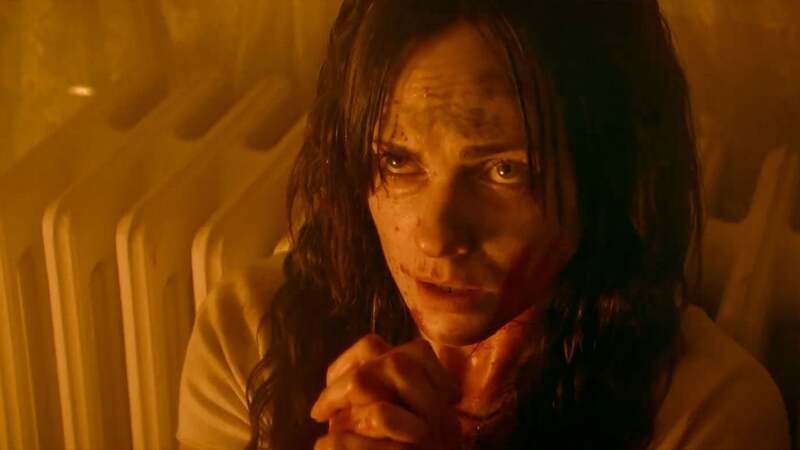
Tenement

TENEMENT starts with a moment: a Japanese-Cambodian manga artist flies to Phnom Penh after her mother’s death to reconnect with family and, hopefully, with a part of herself that distance turned abstract. She rents an apartment in a crumbling housing block once filled with memories her mother never fully shared. Relatives welcome her, neighbors are intrigued, and this old apartment seems eager to help the healing process along. Then the walls begin to talk—just not in a language that comfort understands.

Stupid Smart, Proudly Scruffy

Someone Dies!

SOMEONE DIES! is proof that lo-fi sci-fi can still feel fresh when it leads with personality. Set almost entirely inside a creaky Houston apartment, the film builds a butterfly-effect satire out of a desperate dad, an ominous letter, and a time-warping contraption that looks like it was assembled during a garage-sale speed run. It’s proudly rough around the edges by design, and that handmade quality becomes part of the joke. When characters insist the device is “teleportery, witchcrafty,” you believe them because the film’s world embraces the ridiculous without apology.

The Rules of Society Versus the Rules of Nature

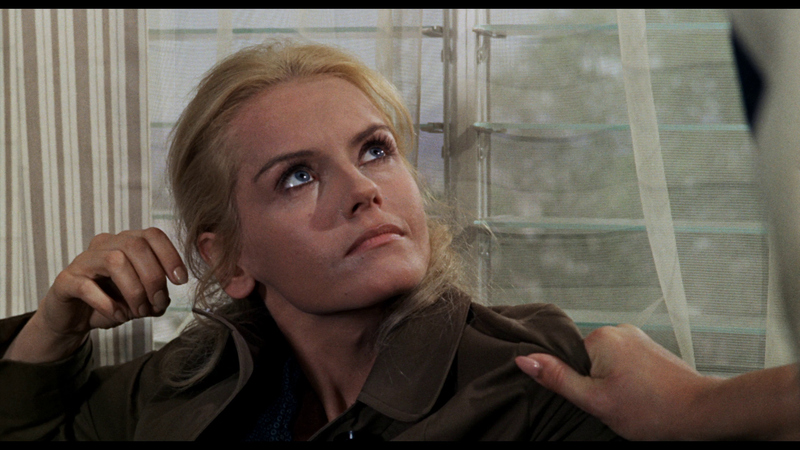
Lady Chatterley's Lover (L'amant de Lady Chatterley)

LADY CHATTERLEY’S LOVER arrives with a reputation larger than its running time. As the first (of many) feature adaptations of D.H. Lawrence’s legendary novel, this 1955 version wears its history in every frame: a French production translating a very English scandal, built in the language of a studio romance rather than raw transgression. Seen today, it fascinates less as provocation and more as a window into mid-century decorum, the careful ways filmmakers worked around censors, and how a love story about class and the body could be shaped into something both daring for its moment and undeniably acceptable.

A City, a Dream, and the Race to Be Heard

Boxcutter

Reza Dahya’s BOXCUTTER runs, breathes, and sweats through the city it calls home. Toronto isn’t a backdrop here; it’s the film’s heartbeat, the constant that is pushing its characters to chase validation, redemption, and maybe even a version of success that feels like theirs. An aspiring rapper named Rome loses the only copy of his music hours before a chance encounter with a superstar producer. The film handles this moment with a deeper dive than expected, allowing it to become a study of insecurity, identity, and the desperate hunger for recognition in a city that’s still fighting to be seen.

Youth, Without Quotation Marks

This Too Shall Pass

THIS TOO SHALL PASS lives in that liminal stretch between what teenagers swear they’re ready for and what adulthood actually demands. Set to a distinctly 80s pulse, it follows 16-year-old Simon and his close friends as they sprint toward the Canadian border for a taste of freedom, expecting a postcard of rebellion and getting a messier, more genuine weekend instead. The hook is familiar: a road trip that doubles as a reckoning. What elevates it is how rarely the film settles for an easy out. It lets immaturity be loud, friendship be complicated, and consequences arrive without preaching. For a film packaging its nostalgia in hooky, mixtape-ready textures (with all the cliches in tow), it’s surprisingly honest about how much growing up hurts.

A Salem Story That Deserves to Stay Buried

The Salem Chronicles

It’s almost impressive how The Salem Chronicles manages to take a premise that should write itself—a detective uncovering his family’s cursed bloodline in the most haunted town in America—and yet makes it feel like punishment. Not the “fun” kind of punishment. The cinematic equivalent of being stuck in traffic while someone lectures you about the power of cinema. Thomas J. Churchill once again proves that quantity does not equal quality. The man pumps out films faster than most people change their underwear.

A Confession Built From Coverage

In Our Blood

IN OUR BLOOD is the kind of horror-adjacent thriller that creeps up on you while insisting it’s only documenting what’s already there. Framed through a documentary style lens—literally, via a cinematographer’s camera and a filmmaker’s phone—the story follows Emily, a director attempting to reconcile with her estranged mother while shooting the process. When the mother vanishes, the film pivots from intimate vérité to a progressively unnerving investigation, testing how far film-making can go before it becomes complicity. The premise isn’t just clever; it weaponizes point of view to turn everyday coverage into an ethical minefield.

The Cost of Clearing Your Name

Bad Boy

BAD BOY opens with the echoes of Britain’s largest cash robbery, the infamous 2006 Securitas heist. But instead of glorifying the crime or fetishizing the chaos, the film takes a humanistic detour—centering not on the criminals themselves, but on one man forever caught in their shadow. Jeremy “Bad Boy” Bailey, an MMA fighter once accused and later cleared of involvement, serves as the focal point for Terry Stone and Richard Turner’s latest documentary, which explores how public perception can outlast even the harshest legal verdicts.

Memory, Myth, and the Cost of Survival

The Jewish Nazi? (DVD)

THE JEWISH NAZI? begins with an image so unsettling it almost feels like a deception: a boy in a Nazi uniform, arm raised in salute, eyes wide with confusion. That image—both horrifying and heartbreaking—anchors this powerful documentary from Australian filmmaker Dan Goldberg. The story it tells, of Alex Kurzem, a Jewish child who survived the Holocaust by posing as “Hitler’s youngest soldier,” isn’t just one of history’s strangest footnotes. It’s a meditation on survival, memory, and the blurred boundaries between truth and self-preservation.

When Identity Echoes Back From the Other Side

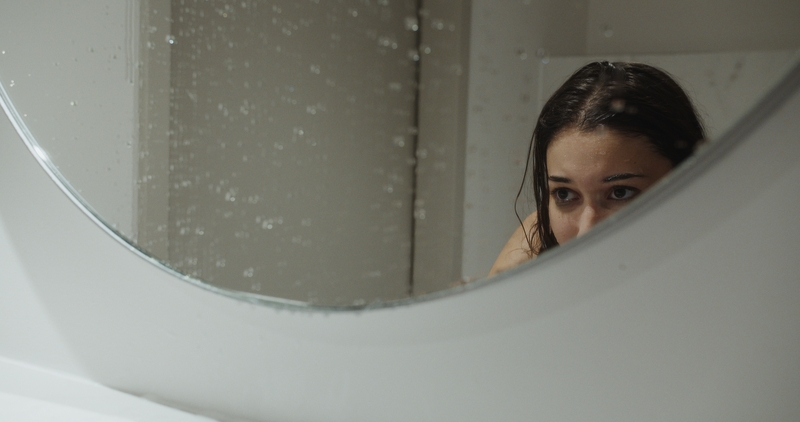
Tears Burn to Ash

TEARS BURN TO ASH is more like a dream caught in the in-between—a story that exists in the hours before dawn, when grief and identity intertwine. Natalie Murao’s fifteen-minute short is an intimate portrayal of a Japanese Canadian woman navigating loss while confronting the cultural fracture of her own reflection. It’s a film that doesn’t just explore displacement; it embodies it.

How Art Heals What History Tried to Steal

Lost Wax

LOST WAX begins with silence—the kind that comes after something has vanished and the world doesn’t yet realize it’s missing. A girl disappears from her apartment complex, and the only person who truly grieves for her is Osas, a “stranger” who barely knew her. What follows is a tender and haunting reflection on empathy, displacement, and the fragile ways human beings find to mourn one another.

When the Past Echoes Louder Than the Present

Brothers

BROTHERS opens like a confession. It’s quiet, deliberate, and intimate in a way that feels invasive—an unfiltered glimpse at a moment that should remain private. The premise: two grandsons arrive to confront their grandfather with a choice that will change all their lives. But simplicity can be deceptive. Director Ross Syner crafts a stripped-down chamber piece here about morality, guilt, and what it means to protect someone when every option leads to loss.

A Sharp, Sincere Take on Love Addiction

Let's Call the Whole Thing Off

LET’S CALL THE WHOLE THING OFF offers us the charm of a romcom that doesn’t hide from the messy truth of relationships. Elizabeth Guest, who writes, directs, and stars, takes what could’ve been a formulaic “runaway bride” setup and reshapes it into something far more self-aware—a love story about how easy it is to mistake chaos for connection. The result feels personal, vulnerable, and still funny, proving that sincerity and satire can coexist without one swallowing the other.

A Desk, a Disaster, and a Thousand Emails

Werk

WERK treats the modern marketing agency like a pressure cooker disguised as a break room. Shot with the looseness of a doc crew embedded among “creatives,” the series leans into the chaos that happens when deadlines, egos, client briefs, and clashing generations try to share the same room. The hook is simple: a small crew follows The Digital Creative Group across meetings, mishaps, and minor revolutions. The pleasure comes from how quickly the veneer of office shine scrapes away and how precisely this team’s shared illusion of control collapses under the camera’s attention.

Messy, Mean, and Meticulously Chaotic

#ShakespearesShitstorm

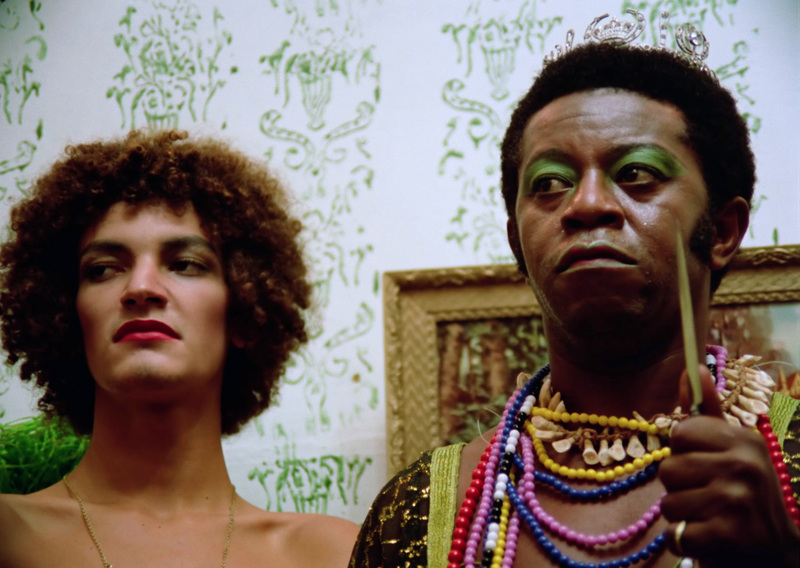
#SHAKESPEARES SHITSTORM is not a movie that asks to be loved; it dares you to walk out, then tries to win you back by being so committed to its own rancid aesthetic that resistance turns into a weird kind of admiration. Another creation from Lloyd Kaufman’s Tromaville is a gleefully disgusting riff on The Tempest. As with so much of Troma’s history, the boundary isn’t the line you cross—it’s the runway you run down headfirst. The film’s new 4K release provides the perfect excuse to revisit an entry that doubles as a manifesto: cinema as an inside joke, protest, and plumbing emergency.

How a Haunted Server Sparks Humanity

Glitched

In an industry obsessed with sequels, reboots, and déjà vu properties, GLITCHED feels refreshingly original — a small film that dares to merge virtual reality, haunted castles, and comedy without losing sight of its heart. Director Zoe Quist combines humor, tech, and the supernatural into a story that’s as much about human connection as it is about CGI ghosts. The result is an adventure that shines brightest when it leans into its charm rather than its chaos.

Panic, Poise, and a Blender

Dead Giveaway

The morning after has rarely looked this bad. Jill wakes up to a pounding headache, a dead body beside her, and a closet that may or may not be holding another surprise. That’s the setup, but Ian Kimble’s DEAD GIVEAWAY doesn’t play it straight. It moves with the chaotic tempo of a hangover you can’t shake, turning guilt and panic into a twisted comedy of errors where every decision makes things worse in just the right way. The result is a film that thrives on the energy of its cast, the bite of its writing, and the realization that sometimes the funniest thing about horror is how easily it mirrors bad life choices.

When Horror Becomes Cultural Catharsis

Three / Three... Extremes [Limited Edition] (Blu-ray)

Horror anthologies often promise variety but deliver inconsistency. THREE / THREE… EXTREMES is the rare exception that proves how powerful the format can be when guided by vision rather than gimmicks. Across six segments and two feature-length films, this Arrow Video release captures the full scope of early-2000s pan-Asian horror — its atmosphere, its lawless spirit, and its willingness to confront fear as something deeply personal. This is not an anthology of jump scares and clichés; it’s a study in discomfort, obsession, and the ways cultural anxieties manifest through storytelling.

Brotherhood, Blood, and Blades Reforged

Furious Swords And Fantastic Warriors: The Heroic Cinema Of Chang Cheh [5-Disc Limited Edition Collection]

FURIOUS SWORDS AND FANTASTIC WARRIORS is less a collection than a statement—a towering monument to one of Hong Kong cinema’s most defining storytellers. Spanning over fifteen hours across ten films, this five-disc limited edition release from Eureka Entertainment celebrates Chang Cheh’s unique command of action, heroism, and mythology. It’s the cinematic equivalent of stepping into a time capsule, a comprehensive look at a director whose fingerprints shaped an entire genre.

A Quiet Connection in the Noise of New York

Willow and Wu

WILLOW AND WU begins where most workplace comedies end—with exhaustion, heartbreak, and a desperate need for space. Kathy Meng’s short film captures that fragile space between personal and professional identity through a simple, disarming premise: a recently dumped assistant, Willow, finally earns a day off only to be tasked with helping her boss’ husband with an unusual errand. What follows is a tender, awkward, and transformative encounter that says more about human connection than grand declarations ever could.

Nostalgia, Noise, and a Murderer on the Mic

Radioland Murders (Special Edition) (Blu-ray)

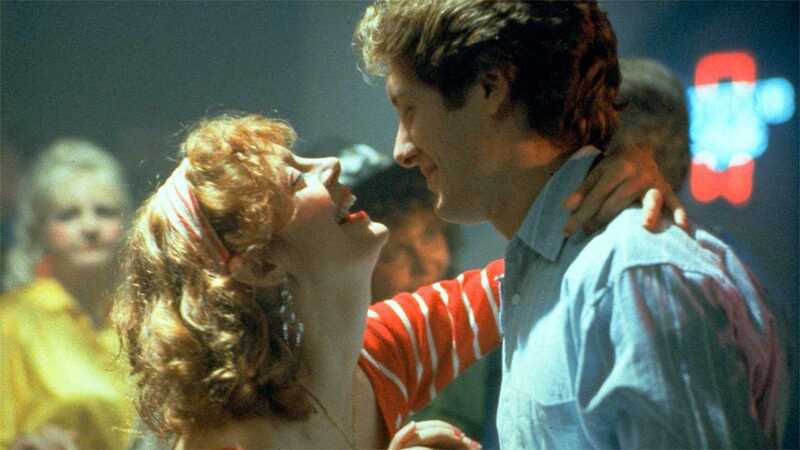
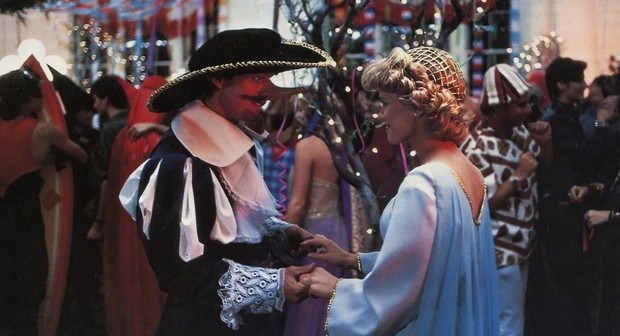
RADIOLAND MURDERS sets its metronome to “fever pitch” and mostly never touches the dial again. Set during the launch night of Chicago station WBN in 1939, it’s a love letter to the golden age of live radio wrapped inside a slapstick whodunit. The premise is tailor-made for manic parody: as programs, commercials, musical numbers, and sound-effects bits tumble out on schedule, bodies start hitting the floor off-mic. The writers scramble, the director panics, the cops do what they do, and the broadcast must keep rolling because dead air is unforgivable—even when people are dying. It’s a knowingly silly conceit, and the film embraces it with gusto.

Fear Told Through a Child’s Unblinking Eyes

Don’t be late, Myra

DON’T BE LATE, MYRA is on the screen for just fifteen minutes, but its impact stays with you long after the credits fade. Writer-director Afia Nathaniel crafts a taut and devastating short that captures the everyday terror faced by girls navigating unsafe worlds, turning a single missed school bus into a microcosm of society's failure. It’s a small film with enormous weight, balancing tension and empathy with precision and purpose.

Where the Paycheck Costs More Than You Think

Calamari

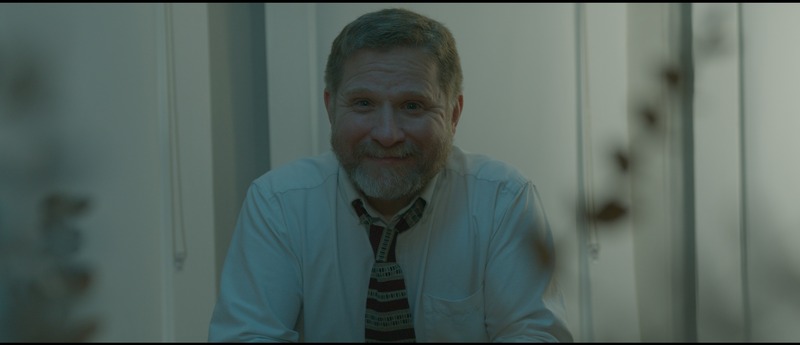
Russell Whaley’s feature, CALAMARI, is a sharp, twisted, and surprisingly funny psychological horror film about ageism, desperation, and what it means to sell yourself just to stay alive—sometimes literally. What begins as a grounded commentary on workplace exploitation, featuring Jerry Gureghian in an incredibly powerful role, turns into a darkly comic descent into horror and psychological collapse. It blends the offbeat tone of dark comedy with the unease of a nightmare that never stops tightening its grip.

The Watcher Becomes the Witness

Other

OTHER begins with unease: this isn’t just a haunted house story—it’s a story about the rules that outlive the person who made them. After her mother’s death, Alice returns to a home that still feels organized by someone else’s hand. Its order is oppressive, its quiet too deliberate, its memories arranged like evidence. What follows isn’t about ghosts or monsters; it’s about inheritance—the kind that teaches you what to fear, how to behave, and when to stay silent.

Outrun the Storm or Become Part of It

Delivery Run

DELIVERY RUN doesn’t try to reinvent the survival thriller, but it understands what makes the genre work: desperation, isolation, and one terrible night that refuses to end. Set across icy backroads and dimly lit stretches of nowhere, it follows a man with nowhere left to go and too much debt to turn back. Alexander Arnold plays Lee, a delivery driver whose gambling habit and bad decisions have caught up to him. After a night of risky bets and half-formed lies, one small act of defiance sets off a chain reaction — and somewhere out in the dark, a snowplow starts following him. What begins as an inconvenience turns into a pursuit, and what starts as a chase becomes a reckoning.