Minier‘s Hometown News Site

Sometimes You Might Not Hear

No One Will Hear Your Scream

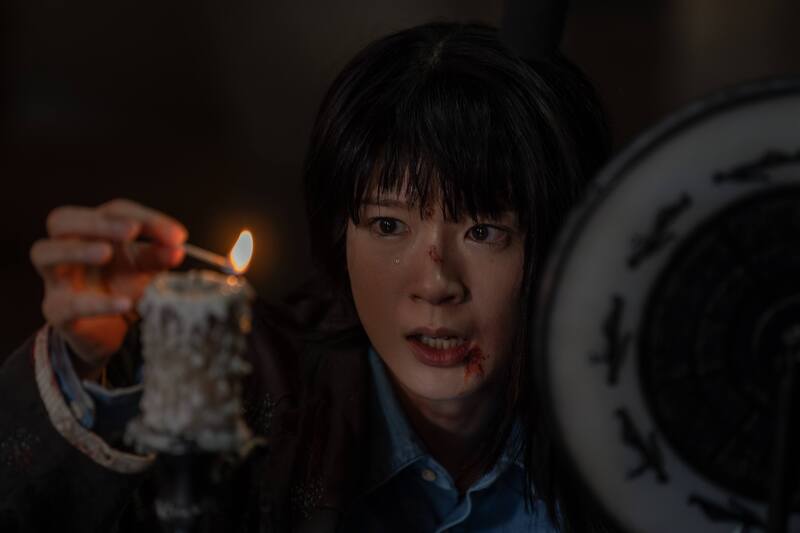
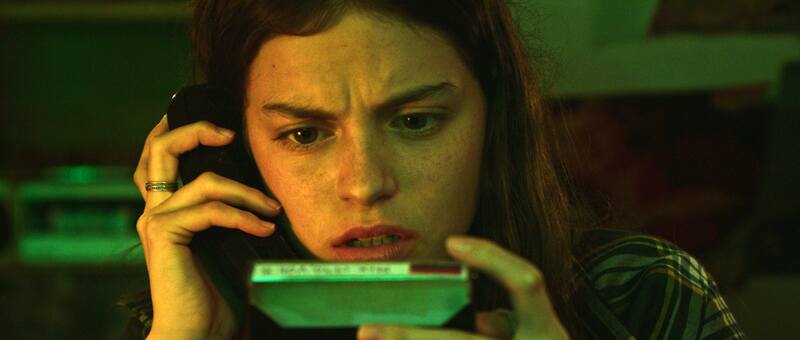
The best idea in NO ONE WILL HEAR YOUR SCREAM arrives almost immediately. The 1990 World Cup consumes Argentina, entire neighborhoods empty as everyone gathers around televisions, and a killer realizes that there may never be a better time to murder someone. Every cheer from another room becomes cover, every match creates a window where witnesses disappear, and every game on the schedule can potentially mean another victim. It’s such a clean slasher setup that the movie barely needs to explain why it works.
Britain’s Worst Investigators Get Their Close-Up

Ghoul Squad

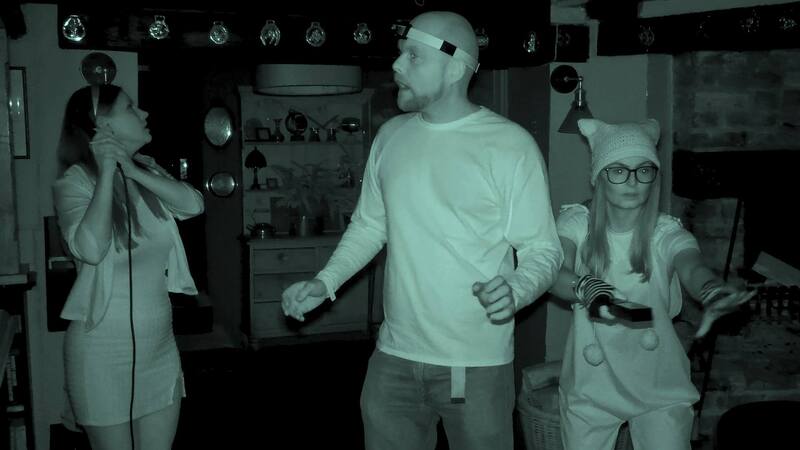
Ghost-hunting television practically begs to be mocked. A group enters a dark building carrying expensive equipment, asks invisible occupants to make themselves known, hears something somewhere in the distance, and suddenly everybody is whispering about what might have happened. Richard Anthony Dunford’s GHOUL SQUAD starts with that familiar setup and asks a more important question: what if the people conducting the investigation were significantly less capable than whatever might actually be haunting the building?

Desire Threatens to Bring Everything Down

Careful

Some movies recreate an older period of filmmaking by carefully imitating its appearance. CAREFUL feels like someone found a forgotten movie from another era, left it buried for decades, and discovered that everyone inside had completely lost their minds. Guy Maddin’s 1992 film borrows heavily from silent cinema, German Expressionism, early melodrama, and European mountain films, but calling it an homage barely explains what’s happening. Maddin doesn’t simply copy those influences. He twists them into something funny, uncomfortable, sexually charged, and proudly ridiculous.

The Waves Aren’t the Whole Story

A Marble in the Jar

There’s something wonderfully uncomplicated about putting a marble in a jar. Something good happens, you acknowledge it, and another marble drops inside. Do it enough times, and eventually you have physical proof that even during the worst stretches of life, good things were still happening. A MARBLE IN THE JAR takes that small exercise. It builds an entire documentary around it, gradually changing what those marbles represent as professional surfer Tatiana Weston-Webb and her coach, Greg Browning, move in directions neither could fully control.

The Sweetness Makes the Darkness Hurt

Little Shop of Horrors

LITTLE SHOP OF HORRORS does a lot of things right, but one of the most impressive things it does is convince you that all of this belongs together. A lonely florist, a singing man-eating plant, a sadistic dentist, a love story, and a parade of musical numbers shouldn’t fit inside the same 94 minutes. Yet Frank Oz keeps the movie moving with the confidence of someone who knows hesitation would be fatal.

A Burlesque Queen Begins to Unravel

The Belladonna

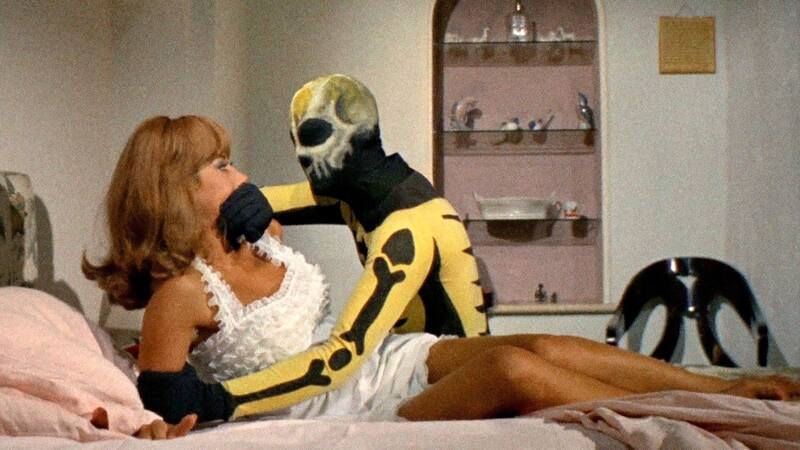
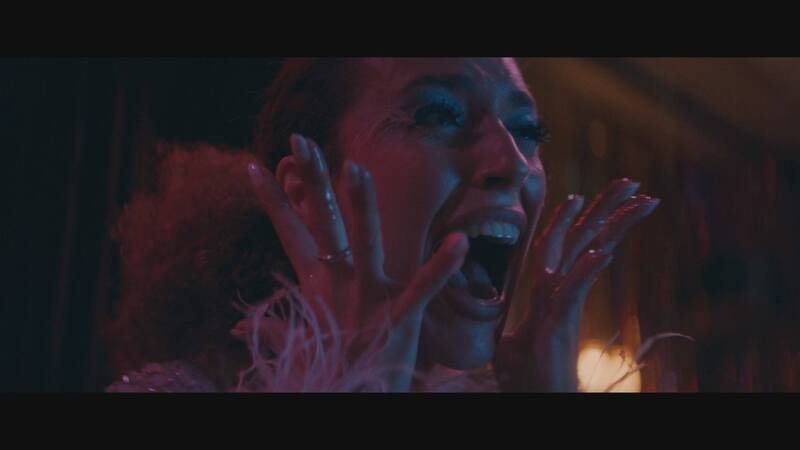
There’s something wonderfully strange about describing a movie as a “psychoglitter thriller,” but THE BELLADONNA earns every part of it. Writer-director Javid Rezai surrounds grief, jealousy, and psychological instability with sequins, corsets, bright makeup, and the theatricality of a burlesque club. Instead of those two sides fighting each other, the glitter makes the darkness underneath much easier to see.

Desire Opens the Wrong Door

Come the Nightfall

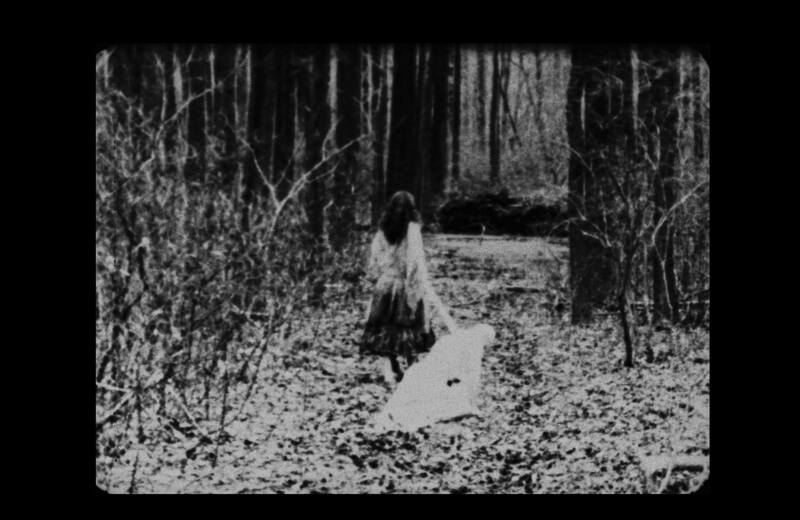
Before anyone says much of anything, COME THE NIGHTFALL has already made one of its strongest decisions. Tom Michaels shot his 23-minute horror short on 16mm, and that choice immediately gives the film a texture that would be difficult to reproduce digitally. The grain, heavier shadows, and slightly worn image quality aren't simply there to announce that Michaels likes older horror movies. They help establish the uneasiness of a story where almost everyone seems a little different from the person they're presenting to the world.

Beauty and Horror Become Indistinguishable

Begotten

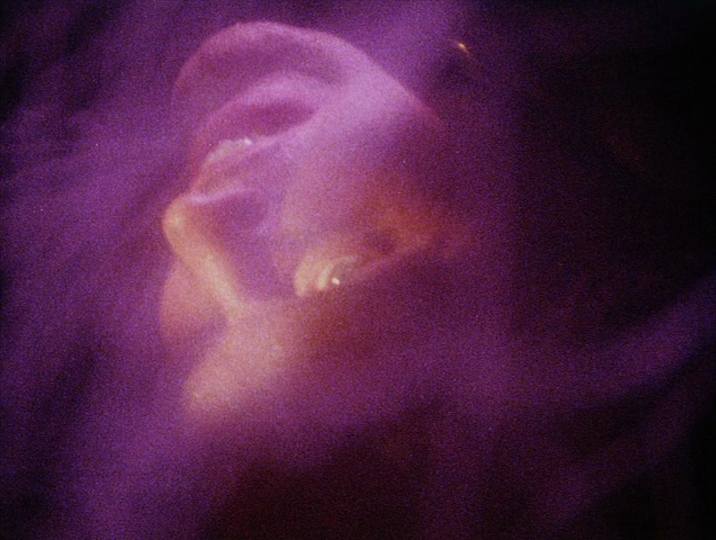
When I started screening BEGOTTEN, I had no clue what I was getting myself into. I stopped trying to decide if what I was watching was really a “movie” or an exploration. There’s no traditional dialogue, no real narrative structure, and not even the expected character development some experimental films have, and the images are so distorted that figuring out what is happening becomes a challenge in itself. E. Elias Merhige drops the viewer into something resembling a nightmare that the viewers shouldn’t even be allowed to see, and whether that sounds fascinating or unbearable will probably depend on what you’re willing to accept.

When Tulsa Went Against the Grain

Oil Capital Underground: The Genesis & Evolution Of Punk Rock In Tulsa Late 70s To Mid-90s

There’s something appropriately messy about a punk documentary that occasionally feels like somebody emptied decades of flyers, photographs, VHS tapes, club stories, and half-forgotten memories onto a table and decided to sort through all of it with us. OIL CAPITAL UNDERGROUND: THE GENESIS & EVOLUTION OF PUNK ROCK IN TULSA LATE 70S TO MID-90S may not always know when enough is enough, but there’s real value in how unwilling it is to let Tulsa’s underground music history quietly disappear.

A Future That Still Feels Strange

Forbidden Planet

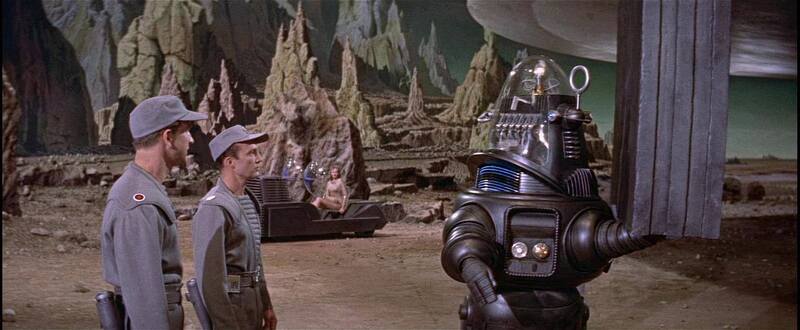
The quickest way to make a nearly 70-year-old science-fiction movie feel its age is to ask it to predict the future. FORBIDDEN PLANET somehow survives that challenge because its version of tomorrow is so committed to being strange that realism almost stops mattering. The control panels, uniforms, enormous machinery, painted landscapes, electronic noises, and wonderfully bulky Robby the Robot don't resemble our world in 2026. However, together they create a future that still feels like someplace else.

Bigfoot Is the Least of Their Problems

Sawtooth Mountain

The irony about SAWTOOTH MOUNTAIN is that Bigfoot barely needs to be there for everything to go horribly wrong. Writer/director Matt Kincses starts our story with people who desperately want Sasquatch to be real, adds someone willing to fake that for money, and then watches an increasingly stupid series of decisions turn a tourist attraction into something far more dangerous.

A Perfectly Engineered Night of Disaster

Go

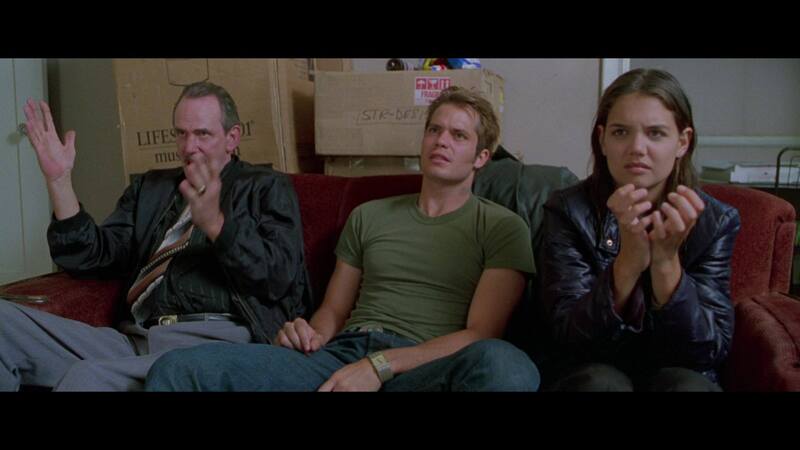
GO feels like someone preserved a particular corner of 1999 before anyone realized it was worth saving. The clothes, grocery-store jobs, pagers, raves, casual drug use, soundtrack, and general lack of concern about making a responsible decision all belong to a specific moment, yet Doug Liman's movie has survived considerably better than plenty of films that were supposed to represent their generation more seriously.

Horror Gets Loud Behind Prison Walls

Ghost in the Cell

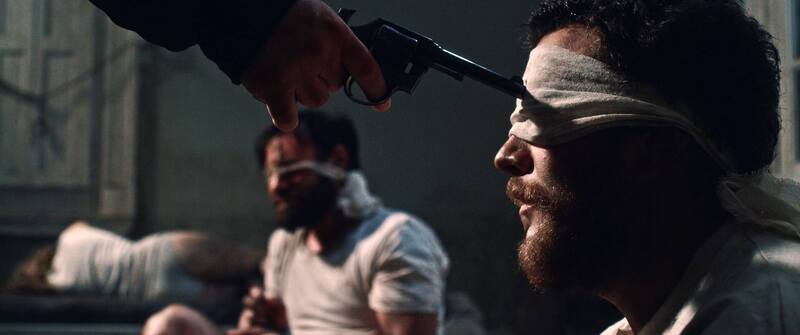
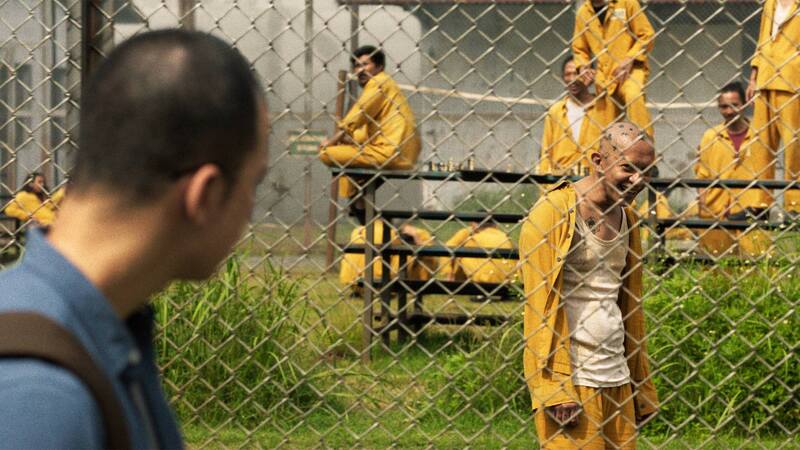
GHOST IN THE CELL can go from a vicious murder to an absurd joke quickly enough to make you wonder whether Joko Anwar is daring the movie to fall apart. Then he'll throw in a prison fight, political satire, another grotesque body, and something supernatural before giving the characters room to be funny again. Keeping all of that under control seems almost impossible, which makes it strangely entertaining to watch Anwar keep testing how much one movie can hold.

A Fashion Revolution With Staying Power

Twiggy: The Woman Behind The Icon

It would be easy for a documentary about Twiggy to spend its runtime admiring photographs. There are enough famous images, magazine covers, hairstyles, clothes, and heavily copied poses to build an entire movie around how a teenager came to represent a particular moment in the 1960s. Sadie Frost’s TWIGGY is much more interested in the woman who somehow remained herself while everyone else was busy turning her into that image.

Survival Comes With Rough Edges

Battle Cabin (Northspur)

There’s an odd time-capsule quality to BATTLE CABIN. Lionsgate is bringing it to U.S. digital platforms in 2026, but Aaron Falvey shot the film in New Zealand years earlier, and it was first released in some places as NORTHSPUR. That history matters because the movie often feels less like a new survival thriller and more like an older independent production finally finding a larger doorway into the American market.

Lost in a Beautifully Broken Tomorrow

April X

APRIL X is at its best when the future is just happening around its characters instead of telling us all about it. Michel K. Parandi builds a near-future society out of scattered details, technology, economic instability, criminal activity, and an underlying sense that civilization has reorganized itself into something slightly removed from the present. That makes the setting considerably more interesting than a parade of gadgets or giant effects could have been.

Childhood Fantasy Still Works Surprisingly Well

The Borrowers

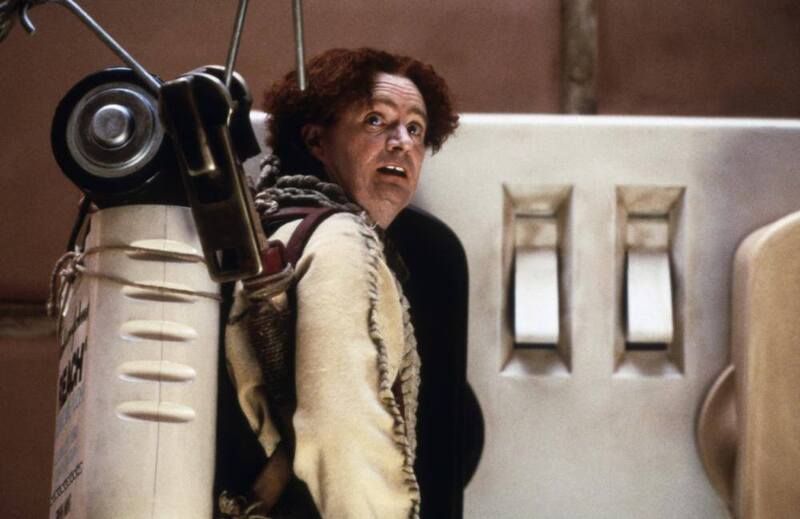
Within a few minutes of watching THE BORROWERS, I kept thinking about THE LITTLES, the animated series I remember from years ago. Tiny people hiding inside the walls, ordinary household objects becoming useful tools and furniture, and an entire secret society existing just beyond the awareness of normal-sized humans all felt immediately familiar. The comparison makes complete sense, though not quite in the way I initially assumed.

Divorce Meet a Murder

Nadine

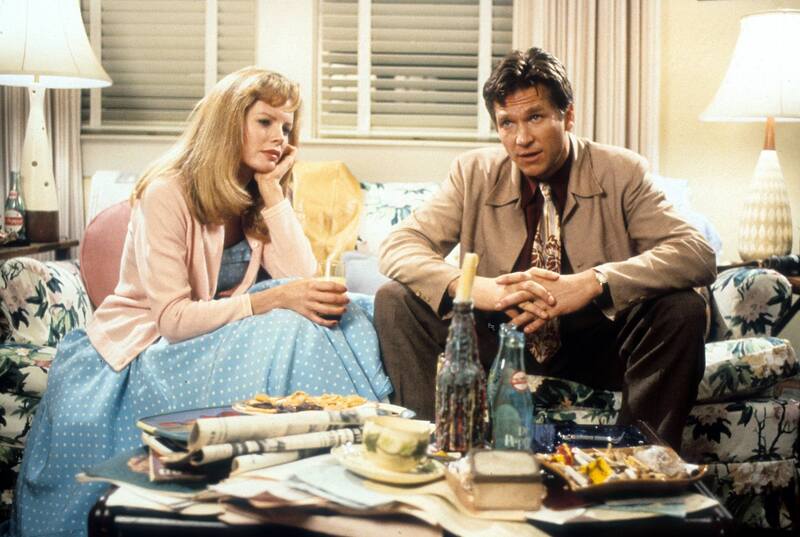
Kim Basinger and Jeff Bridges spend much of NADINE arguing like two people who know exactly which buttons to push because they’ve been pressing them for years. That relationship is far more entertaining than the murder, land scheme, or criminals chasing them, and Robert Benton seems to understand that almost immediately. The crime plot gives Nadine and Vernon somewhere to run, but their broken marriage is what gives the movie a reason to keep following them.

The Frontier Looks Different From Here

Eastern Trails: The Western at DEFA

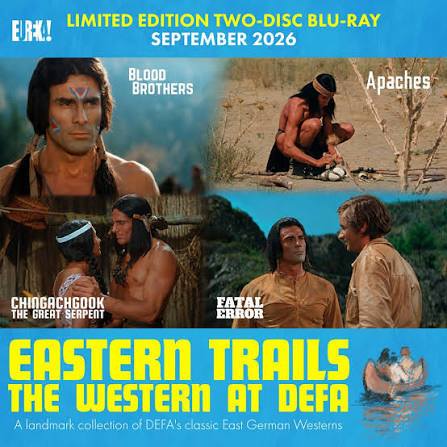
Westerns have never been the easiest sell for me, so putting four of them into one six-hour box set sounds more like an assignment than an invitation. EASTERN TRAILS: THE WESTERN AT DEFA, however, comes with an angle strange enough to make the familiar landscapes worth another look immediately. These aren't American westerns or even the Italian variations that reshaped the genre during the same period. They're East German productions made by the state-operated DEFA studio, looking across the Atlantic at the mythology of America's frontier and deciding that the people traditionally pushed to the edges of those stories should be standing in the middle instead.