A Crime That Finds Humanity in Madness
I Got Bombed at Harvey's
MOVIE REVIEW
I Got Bombed at Harvey's
 -
- 


Genre: Documentary, Crime
Year Released: 2026
Runtime: 1h 34m
Director(s): Amy Bandlien Storkel, Bryan Storkel
Where to Watch: shown at the 2026 South by Southwest Film & TV Festival (SXSW)
RAVING REVIEW: There’s a moment early on where it becomes clear this isn’t just another true crime story built on shock value. The premise alone almost dares you to treat it that way, or maybe a true crime story on steroids, a thousand-pound bomb rolled into a casino, a ransom note, a ticking clock, the kind of story that sounds engineered for a big budget blockbuster. But I GOT BOMBED AT HARVEY’S quickly makes it clear it’s looking for something else. The story behind the crime might pull you in, but it’s not what stays with you.
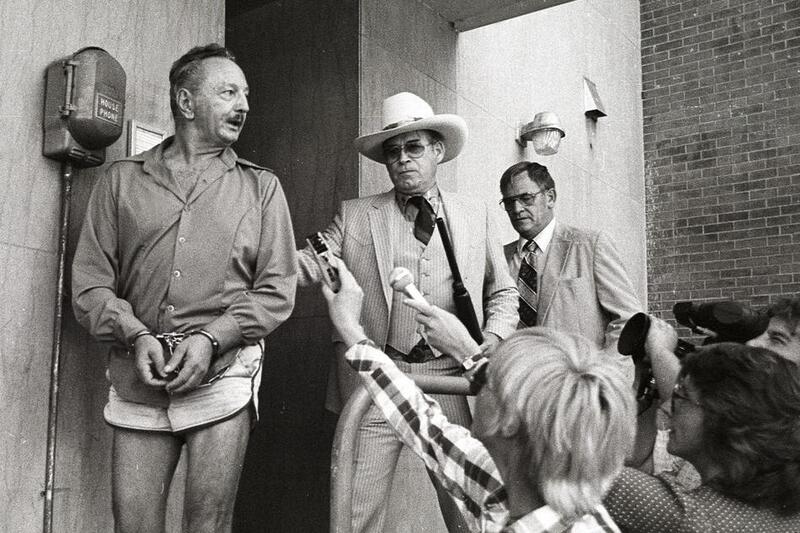
On paper, the story feels almost too wild to be real. The 1980 bombing attempt at Harvey’s Wagon Wheel Casino has all the elements of a high-stakes procedural, complete with a device so complex it stalled even experienced bomb technicians. That tension is present throughout the film’s opening stretch, and the directors know exactly how to lean into it. Archival material, interviews, and reenactments work together to build a sense of urgency that mirrors the chaos of the situation. For a while, it plays exactly how you’d expect. It’s engaging, it’s strange, and it has that “how did I never hear about this?” vibe that the best crime docs thrive on. But just as it settles in, the film shifts its focus, completely redefining what it’s trying to do.
By centering the focus on the bomb builder’s son, the documentary stops being about the event itself and becomes about the aftermath of living in its shadow. That decision gives the film some impact that you’re not necessarily prepared for. What could have been a surface-level tale of a crazy day turns into something far more personal, exploring how trauma, loyalty, and fear shape a person long after the headlines fade.
Jim Birges becomes the main event, but not in a polished, controlled way. There’s a complexity to how his story is presented, one that doesn’t simplify his experience or try to make it easily digestible. His perspective forces the audience to sit with uncomfortable questions about complicity, survival, and the long-term impact of growing up under someone capable of such destruction. That’s where the documentary finds its strength. It’s not interested in giving you an easy out or all of the answers or even turning its subjects into redemption tales or condemnation. Instead, it allows contradictions to exist. The film understands that people don’t process something like this in a straight line, and it reflects that in how the story unfolds.
The reenactments aim to bring a cinematic edge to the story, leaning into the almost unbelievable nature of the crime. At their best, they help visualize moments that would otherwise feel abstract. At their worst, they feel unnecessary, like they’re filling space rather than adding meaning. There are stretches where the real interviews and archival material carry far more impact, making the staged sequences feel like a distraction instead of an enhancement.
There’s also a slight but noticeable hesitation in how far the film is willing to push its subjects. It builds a strong foundation but occasionally stops short of interrogating certain perspectives as deeply as they could. That restraint keeps the film accessible, but it also leaves some ideas underexplored. A bit more pressure in those moments could have added another layer of depth. What works here works because the film commits to the idea that the story didn’t end when the bomb was discovered.
The final act leans into reflection, focusing on how the people involved have carried this experience with them. There’s no resolution offered, and the film doesn’t pretend there should be one. Instead, it frames revisiting the past as ongoing, a process rather than a conclusion. That decision in filmmaking gives the documentary a sense of honesty. It doesn’t try to wrap everything up or force a takeaway that simplifies what happened. It allows the story to remain as complicated as the bomb itself, which feels more in line with the reality it’s portraying.
I GOT BOMBED AT HARVEY’S is miles away from the similar true crime documentaries in its willingness to look beyond the chaos. The bomb is what draws you in, but it’s not what defines the film. The real focus is on the people left dealing with the consequences, and how something that lasted just over a day can echo for decades. It’s wild to me that I’ve somehow never heard of this story, and I think ultimately, that’s why I love documentaries as much as I do. Not only did I have a great experience watching the film, but I also learned a lot. I can’t speak for the world at large, but I think if school had shown more documentaries, I would probably have enjoyed it far more.
The film isn’t flawless. Some choices don’t land as strongly as intended, and there are moments where it feels like it’s holding back when it could have gone further. But the core of the film is solid, and more importantly, it’s grounded in something real. By the time you’re able to catch your breath at the end, the question isn’t about the logistics of the crime anymore. It’s about what it did to the people involved, and whether something like that ever truly stops affecting them. That’s what stays with you.
Please visit https://linktr.ee/overlyhonestr for more reviews.
You can follow me on Letterboxd, Instagram, Twitter, and YouTube. My social media accounts can also be found on most platforms by searching for 'Overly Honest Reviews'.
I’m always happy to hear from my readers; please don't hesitate to say hello or send me any questions about movies.
[photo courtesy of MARILYN NEWTON-USA TODAY NETWORK VIA IMAGN IMAGES]
DISCLAIMER:
At Overly Honest Movie Reviews, we value honesty and transparency. Occasionally, we receive complimentary items for review, including DVDs, Blu-rays, CDs, Vinyl Records, Books, and more. We assure you that these arrangements do not influence our reviews, as we are committed to providing unbiased and sincere evaluations. We aim to help you make informed entertainment choices regardless of our relationship with distributors or producers.
Amazon Affiliate Links:
Additionally, this site contains Amazon affiliate links. If you purchase through these links, we may receive a commission. This affiliate arrangement does not affect our commitment to honest reviews and helps support our site. We appreciate your trust and support as you navigate these links.
