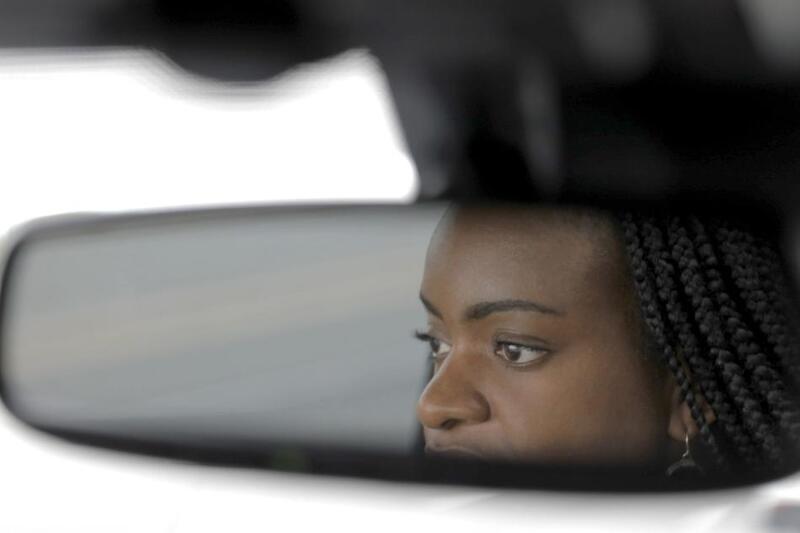
A System Built on Silence
My NDA
MOVIE REVIEW
My NDA
 -
- 

Genre: Documentary
Year Released: 2026
Runtime: 1h 44m
Director(s): Juliane Dressner, Miriam Shor
Where to Watch: shown at the 2026 South by Southwest Film & TV Festival (SXSW)
RAVING REVIEW: Something is unsettling about MY NDA, and it’s not because of what it shows, but because of what it reveals has been hidden in plain sight. This isn’t a story about a single incident or a single broken system. It’s about a structure so normalized that most people barely question it until they’re caught inside it.
At its core, the documentary follows three individuals who made a decision that most people never have to consider. They signed non-disclosure agreements and then chose to break them. That alone gives the film an inherent tension you don’t expect in a documentary. Every moment feels like it carries the weight of the world, a deeper emotional connection, because it does. The risks aren’t theoretical. They’re financial, legal, and deeply personal.
Early on, the film establishes just how common these agreements are. They’re framed as routine, almost procedural, something people sign without a second thought (guilty, on multiple occasions). But the deeper the documentary goes, the more that idea starts to unravel. What’s presented as standard practice begins to look more like a system designed to maintain control.
What makes something like this hit even harder is how normal these agreements feel in everyday life. You don’t have to be in a corporate office or a high-profile position to run into them. They show up in jobs, side gigs, creative projects, and even conversations where you’re told to keep things “internal.” Watching MY NDA, it’s hard not to think about how often people sign something without understanding what they’re giving up, because it’s presented as the norm. That’s where the film hits you with its most uncomfortable truth. It’s not just about exposing extreme cases; it’s about highlighting a system that conditions people to accept silence as part of the deal. Once you start looking at it that way, it’s difficult to unsee.
The stories themselves are where the film finds its power. Each subject comes from a different world, yet their experiences intersect in ways that feel consistent. Whether it’s discrimination, abuse, or corporate protectionism, the details may change, but the mechanism stays the same. Silence is enforced, and that silence benefits someone else. The documentary never rushes these stories. It sits with them. It allows space for hesitation, for doubt, for the kind of conflict that comes with knowing the consequences of speaking out could be damaging in a way that staying quiet would, but in a different way. That patience gives the film a sense of authenticity that never feels manufactured.
There’s a constant undercurrent of tension running through the entire film, not because of dramatic editing or manufactured suspense, but because of what’s at stake. Watching these individuals weave through a world filled with lawyers, media attention, and the threat of retaliation creates a kind of slow-burn intensity that doesn’t let up.
The film doesn’t lean on stylistic flourishes; instead, it lets interviews, real-time decision-making, and observational moments carry the story. When it does incorporate supporting elements like graphics or archival material, they’re used to clarify rather than distract. It’s a restrained approach, and for the most part, it works.
Not all of the stories are given the same depth, and that imbalance is noticeable. One narrative naturally carries more emotional weight, and while it’s understandable that the film leans into it, the others feel slightly underdeveloped in comparison. The result is a documentary that feels cohesive in theme but slightly fragmented in execution. It may have been due to a lack of information or forced editing decisions, but this could have worked as a limited docuseries.
The film is clearly focused on personal experiences, which gives it a lot of strength, but it stops short of fully expanding into a larger systemic breakdown. It raises big questions about how and why these agreements are used, but it doesn’t always go far enough to dissect the system behind them. What MY NDA accomplishes is difficult to ignore.
It takes something that feels abstract and turns it into something grounded in everyday reality. It shows the psychological toll of being silenced, not just in the moment, but over time. The idea that someone can be legally prevented from speaking about their own experiences is unsettling in itself. Seeing the real impact of that restriction is something else entirely.
It’s a weird experience. After sitting with the film, there’s a lot that sticks with you, but “that feeling” is probably an undeniable piece that will make me think back to this viewing regularly. There’s a weight to the film that builds as it goes, a sense that these stories aren’t isolated, but part of something much larger. It doesn’t offer a solution to the issue, and it doesn’t pretend that speaking out fixes everything. If anything, it makes clear that doing so comes with its own set of consequences.
By the end, the documentary isn’t trying to shock you. It doesn’t need to. The reality it presents is already enough. What it leaves you with is a question that’s hard to shake. How many stories like this never get told at all? That’s where the film hits hardest.
Please visit https://linktr.ee/overlyhonestr for more reviews.
You can follow me on Letterboxd, Instagram, Twitter, and YouTube. My social media accounts can also be found on most platforms by searching for 'Overly Honest Reviews'.
I’m always happy to hear from my readers; please don't hesitate to say hello or send me any questions about movies.
[photo courtesy of MY NDA, REIFY FILMS, UNLIKEABLE WOMAN, WILLA]
DISCLAIMER:
At Overly Honest Movie Reviews, we value honesty and transparency. Occasionally, we receive complimentary items for review, including DVDs, Blu-rays, CDs, Vinyl Records, Books, and more. We assure you that these arrangements do not influence our reviews, as we are committed to providing unbiased and sincere evaluations. We aim to help you make informed entertainment choices regardless of our relationship with distributors or producers.
Amazon Affiliate Links:
Additionally, this site contains Amazon affiliate links. If you purchase through these links, we may receive a commission. This affiliate arrangement does not affect our commitment to honest reviews and helps support our site. We appreciate your trust and support as you navigate these links.
