Chris Jones
Entertainment Editor
Chris Jones, from Washington, Illinois, is the Mail Entertainment Editor covering Movies, Television, Books, and Music topics. He is the owner, writer, and editor of Overly Honest Reviews.
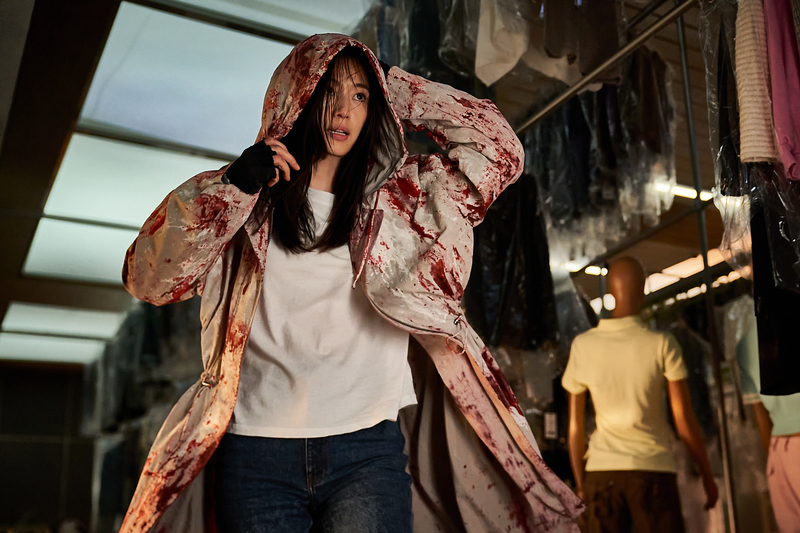
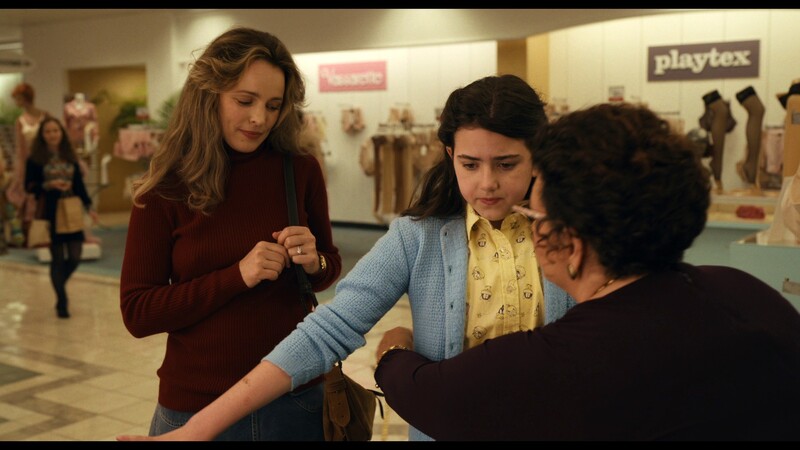
LUCKY understands that the most dangerous lie isn’t the one you tell someone else. It’s the one you keep telling yourself because your entire life falls apart the second you stop believing it. Anya Taylor-Joy automatically elevates anything she's in; the second she appears on screen, she’s able to carry a scene with her mere presence alone, and this is no exception!
NCIS: TONY & ZIVA carries the weight of unfinished business, and that matters more than the hacking plot, the European locations, or the franchise branding wrapped around it. Tony DiNozzo and Ziva David were never just two characters people liked on NCIS. They became one of those long-running television relationships built from arguments, interruptions, almost-confessions, missed timing, and years of audience patience. Bringing them back together was always going to come with expectations the series couldn’t ignore.
By the time someone says they’re “just trying to be authentic,” the trap has usually already closed. That’s the darker joke running underneath THE REBRAND, Kaye Adelaide’s comedy about image repair, queer codependency, influencer rot, and the particular horror of being too polite to leave a room you know is unsafe. The film doesn’t treat online branding like a distant social illness or a punchline about people who post too much. It understands something more uncomfortable. The persona doesn’t always stop when the camera turns off. Sometimes the camera is the only thing keeping the persona from becoming even worse.
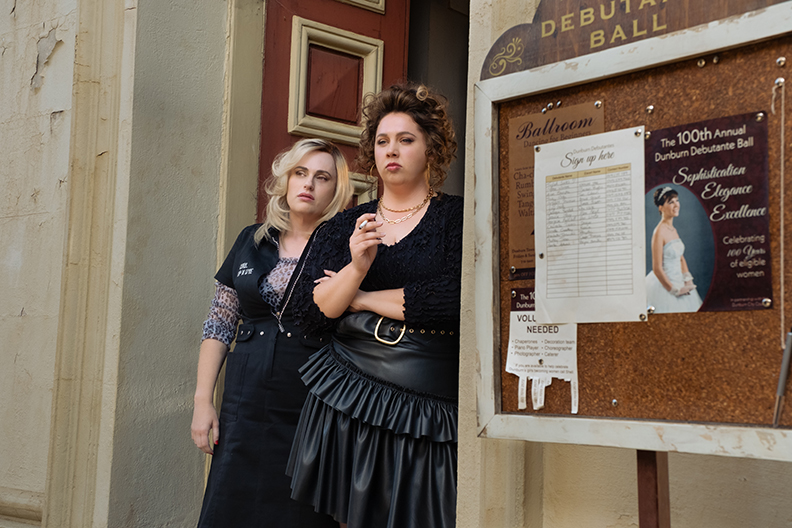
The best reason to watch RIDE OR DIE isn’t the assassin hook, the European chase scenes, or the promise of two movie-star personalities dropped into an action-comedy setup. It’s the simple pleasure of seeing Octavia Spencer and Hannah Waddingham share space as two women whose friendship has enough mileage to make the ridiculous parts feel less disposable. The show has bullets, disguises, criminals, law enforcement, histories, and at least one massive lie sitting between its leads. All of that matters. None of it matters as much as whether Debbie and Judith feel like they could’ve actually survived decades of friendship before the plot started shooting at them.
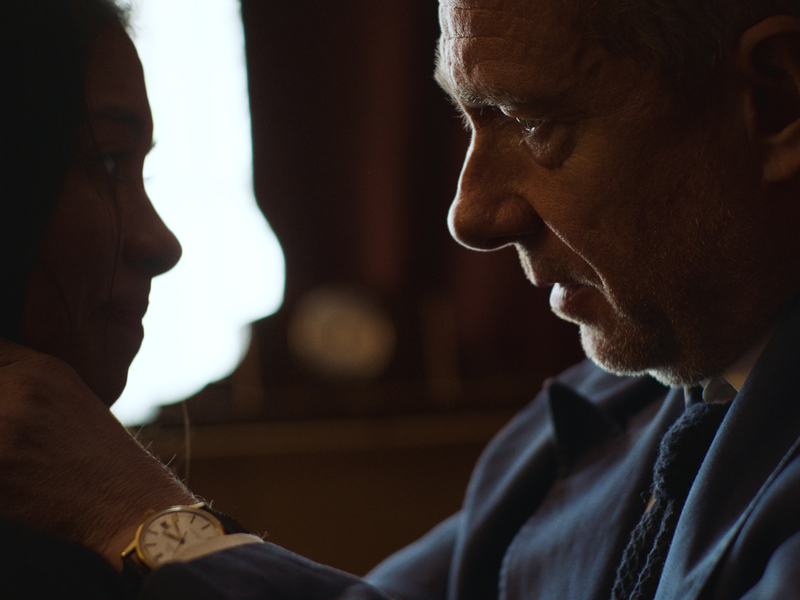
A forgery only works if everyone agrees to look away from the lie. THE CHRISTOPHERS takes that idea and applies it to art, family, grief, reputation, inheritance, and the stories people tell about genius after it stops being useful to them. Steven Soderbergh’s art-world dark comedy isn’t the slick heist film its premise could have become. It’s quieter, meaner, and more interested in the emotional fraud people commit long before anyone touches a canvas.
THE ROCKY HORROR PICTURE SHOW did something that no film in history was ever able to do and continues to do so today. It handed the ending to the audience and let them rewrite the experience time and time again at home and in public viewings 50 years later and going. STRANGE JOURNEY: THE STORY OF ROCKY HORROR understands that the real story isn’t only how a London fringe theater anomaly became a film, or how that film failed before becoming a midnight-screening sensation. The real story is how people who felt out of place found a room where being out of place was finally the point.
SON OF THE SOIL storms in with fists in the air, gunfire, grief, dust, blood, and the kind of revenge-movie momentum that rarely leaves room for anyone to sit with their pain before the next body drops. Chee Keong Cheung’s Lagos-set action thriller is rough and blunt, with a deep familiarity, but it has enough physical force and visual personality to stand apart from a routine vengeance story. This is a film that often works better as an impact piece than as drama, and there’s value in knowing the difference.
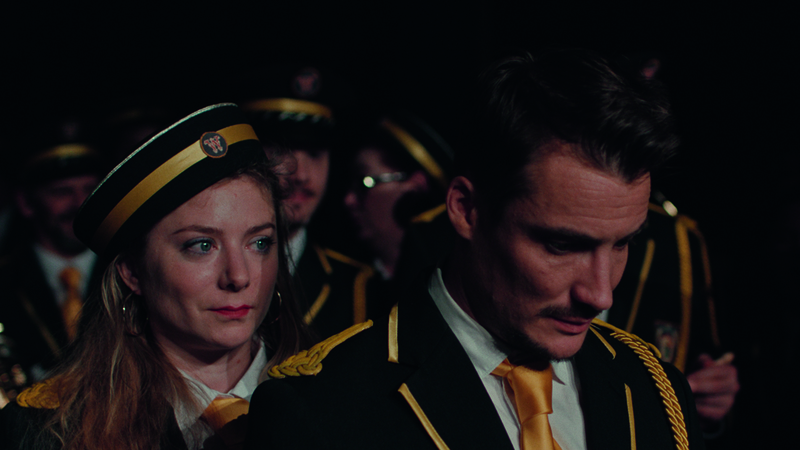
OH! WHAT A LOVELY WAR recognizes that national disaster doesn’t always present itself with darkness; sometimes it shows up with songs, banners, uniforms, and people eager to believe that history has placed them on the side of glory. Richard Attenborough’s 1969 directorial debut turns World War I into a pageant where civic pride, vanity, recruitment theater, and battlefield arithmetic sit uncomfortably close together. The movie smiles with its teeth, and the longer it plays, the harder it becomes to separate entertainment from indictment.
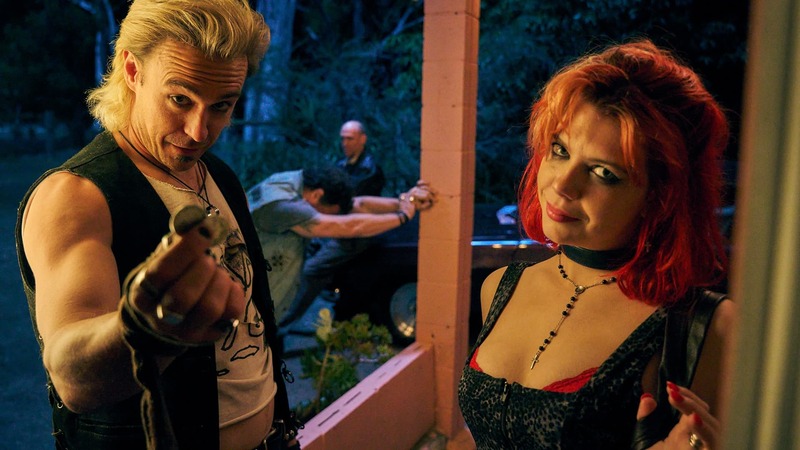
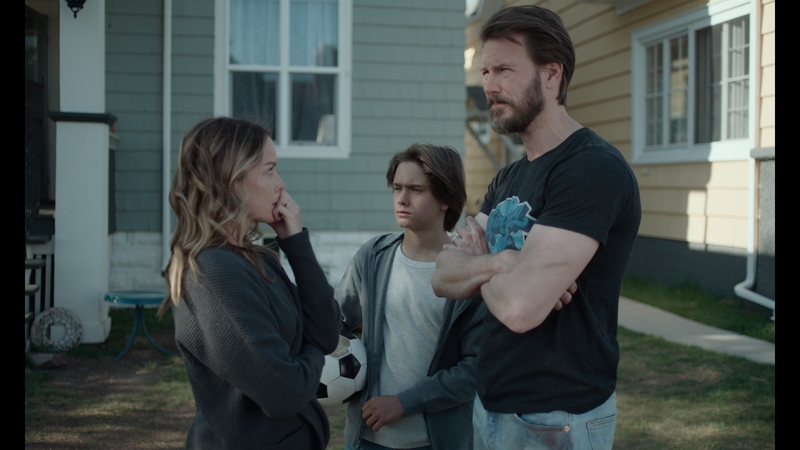
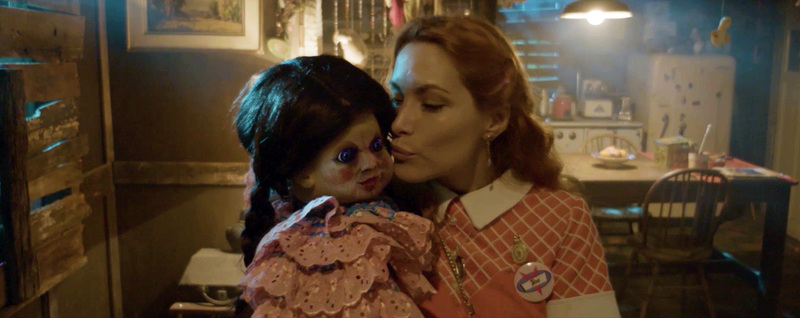
NEW YEAR’S ABSOLUTION starts with the kind of tradition that sounds harmless until everyone remembers they invited people with secrets, grudges, guns, and poor impulse control. The idea is simple enough to work. A group of friends gathers for their annual New Year’s Eve celebration and exchanges anonymous resolutions. It expects the night to follow the same chaotic but familiar pattern it always has. Then one slip of paper changes everything.
By 1974, Vincent Price didn’t need to play a horror icon; he already was one. That’s the strange, slightly sad feeling running through MADHOUSE, a film that looks at Price’s screen history, borrows from it, rearranges those pieces into a fictional legacy, and then asks what happens when a performer becomes trapped inside the monster that made him famous. The movie isn’t always as clever as it deserves to be, but the idea is strong enough to keep it moving forward.
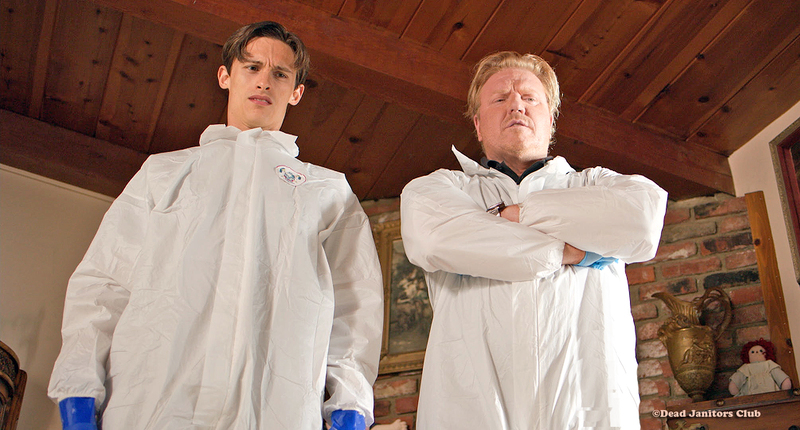
Bad real estate deals are already scary enough before radioactive insects get involved. EMPIRE OF THE ANTS takes that on headfirst in a wonderfully ridiculous way, turning a swampy land scam into a giant siege where capitalism, toxic waste, and 1970s creature-feature logic all crawl into the same pile. Bert I. Gordon’s final giant-monster film is clunky, silly, and sometimes awkward in ways that are impossible to ignore, yet there’s something undoubtedly entertaining about watching it keep pushing forward with a straight face.
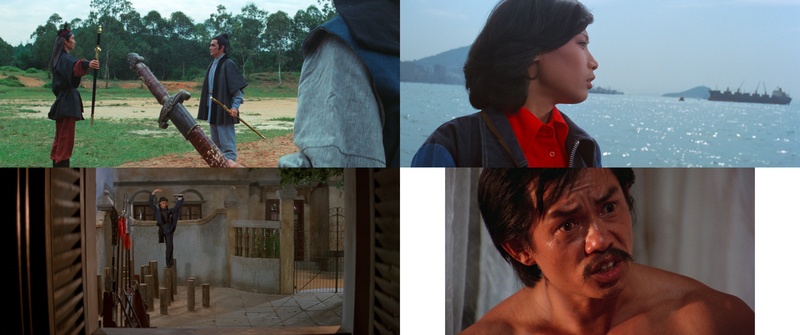
DON’T PLAY WITH FIRE doesn’t drive into chaos toward panic as much as it starts inside it and keeps tightening the room. Tsui Hark’s 1980 provocation, also known as DANGEROUS ENCOUNTERS OF THE FIRST KIND, has the impact of a film made by someone who looked around at a city full of pressure points and decided there was no way to make something civil from it. It’s abrasive, unstable, monstrous, and thrilling in the way a warning can be thrilling when it’s too late to get out of the way.
Some of my favorite documentaries are the ones that leave you with something to think about after. CORONER TO THE STARS understands an uncomfortable truth and builds an absorbing documentary around a man whose job was to pull myth back down to the body. Dr. Thomas Noguchi didn’t create Hollywood’s obsession with death, scandal, mystery, or reputation, but he became one of the few people expected to answer for all of it when the most recognizable names in Los Angeles passed on.
Hollywood loves selling the dream, even when everyone knows the dream comes with a sharp edge. ABOVE THE LINE takes that bitterness and builds a holiday heist around it, imagining a group of wounded industry hopefuls pushed far enough by rejection, humiliation, and one powerful producer that burglary starts to look like career therapy. That’s a funny starting point, and for a while, the film gets decent mileage from the gap between glamorous Hollywood mythology and the sad reality of people trying to survive on its fringes.
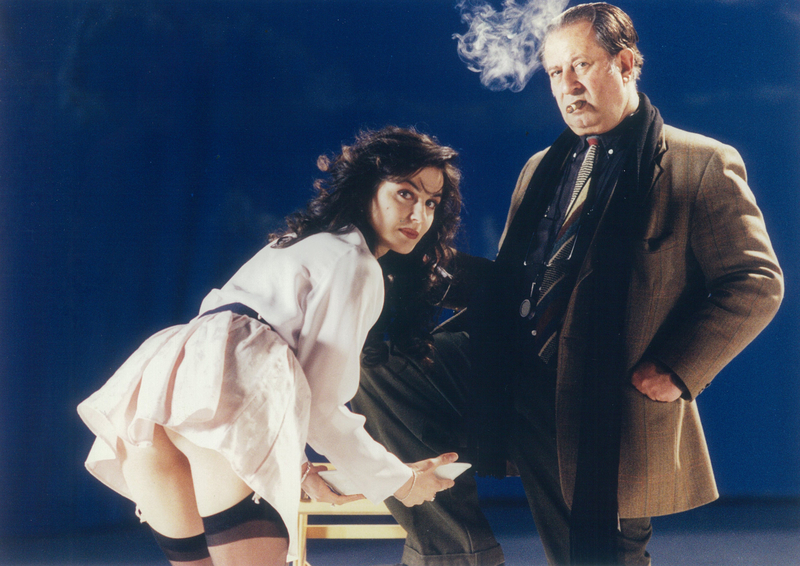
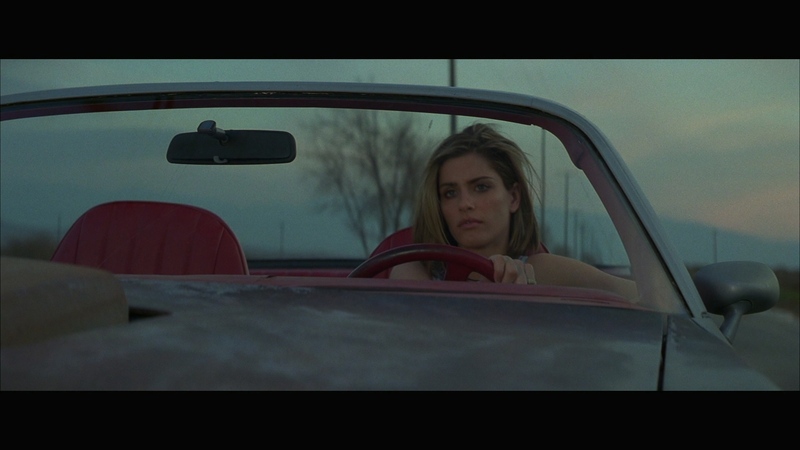
You would think, by default, a film that takes place primarily on a yacht should make the world feel larger. In WAVES OF LUST, it does the opposite. The sea stretches out in every direction, the sun bakes the deck, and director Ruggero Deodato slowly turns all that open space into a floating trap where money, sex, resentment, and power begin to breathe the same stale air.