Tremont‘s Hometown News Site

Entertainment|Cannes Film Festival
A Sharp Portrait of Survival and Self-Destruction

Shana

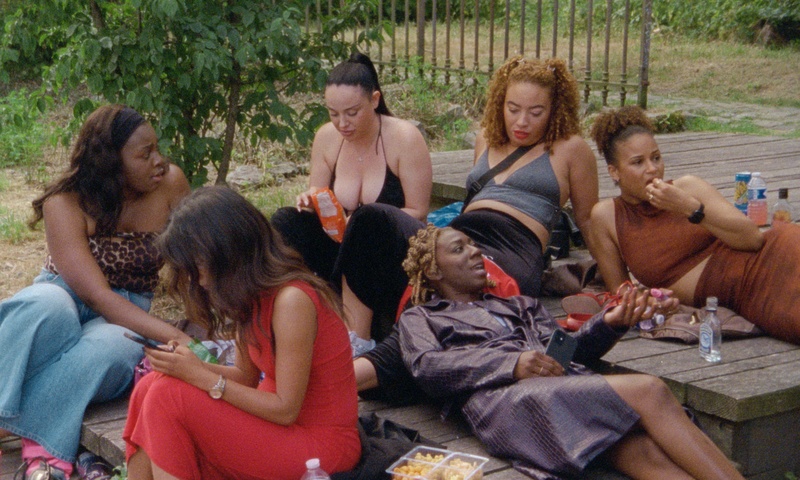
There’s a frantic kind of momentum running through SHANA that almost feels self-destructive. The film rarely pauses long enough for its lead to process what’s happening around her before another responsibility, argument, humiliation, or emotional collision arrives to knock her sideways again. That constant motion becomes the film’s identity. The film's writer/director, Lila Pinell, doesn’t frame Shana as somebody searching for herself. She frames her as somebody trying to stay upright while life keeps changing direction beneath her feet.

Desire Found Between Exhaust and Isolation

Flesh and Fuel (Du fioul dans les artères) (Made of Flesh and Fuel)

FLESH & FUEL understands something that many working-class dramas spend an entire runtime trying to show. It examines how and why labor shapes people's experience of time. Writer/director Pierre Le Gall’s first feature isn’t simply about truck drivers, loneliness, or even romance. It’s about what happens to life when work consumes nearly every available hour, every physical movement, and eventually even the way someone understands themselves. The film treats exhaustion almost like an atmosphere hanging over its characters, not in a melodramatic sense, but as a permanent condition of modern survival.

Emotional Distance As a Living Space

Forever Your Maternal Animal (Siempre soy tu animal materno)

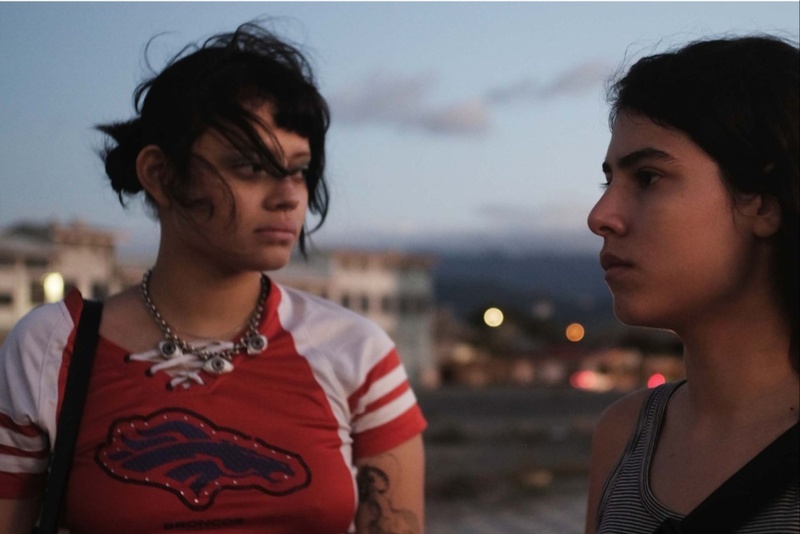
Elsa’s return to Costa Rica doesn’t reopen old wounds so much as expose how little they healed in the first place. Everyone in FOREVER YOUR MATERNAL ANIMAL is already living inside their own version of emotional distance long before the story begins. Her younger sister has started pulling further inward; their father drifts through life with a detachment; and their mother seems more invested in revisiting the past than in confronting what’s happening directly in front of her. What makes the film so compelling early on is how calmly it presents all of this. There’s no explosive announcement that something is wrong. The tension comes from watching a family continue to function while clearly struggling to reach one another truly.

Transformation Hiding Inside Burnout

Species (Sanguine)

What stands out at first isn’t the transformation, it’s the fatigue. The kind that settles in quietly and starts to affect everything else, decisions, reactions, even perception. From there, the film begins to push that exhaustion into unfamiliar territory. There’s no easing into this one. From the start, it feels like the system is already collapsing around its lead, and the film doesn’t waste time pretending otherwise. What begins as a grounded look at medical training quickly reveals itself as something far more invasive, less about the external and more about what happens when that pressure finds a way inside your body and refuses to leave.

Farming As Resistance, Restoration, and Renewal

Groundswell

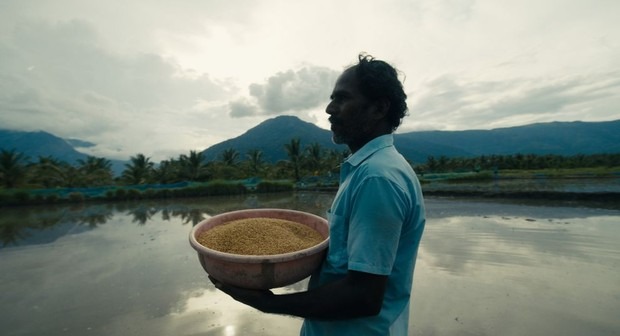
There’s a point where documentaries about climate change start to blur together. Endless warnings, collapsing ecosystems, political doublespeak, footage of natural disasters cut together with swelling music and exhausted narration about how humanity is running out of time. The message matters, but the format has dulled its impact. That’s what makes GROUNDSWELL stand apart almost immediately. It isn’t built around despair. It’s built around proof. That distinction changes the film's tone entirely.

A Film Torn Between Grace and Rage

Marie Madeleine (Maria Magdalena)

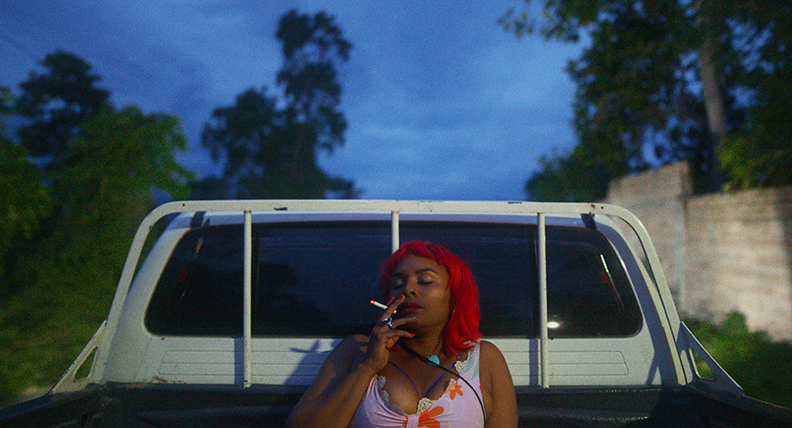
The first thing MARIE MADELEINE explores is contradiction, not as a theme to gesture toward, but as the emotional and spiritual condition of everyday life. Writer/director/star Gessica Généus builds the entire film around opposing forces constantly colliding like religion and sexuality, freedom and fear, tenderness and violence, survival and self-destruction. Even the city itself feels divided between devotion and desperation. Jacmel, Haiti, becomes a place where churches, spirits, radios, brothels, grief, music, and memory all occupy the same physical and emotional space at once. That tension gives the film a pulse that never settles.

A Meditative Story About the Lives We Miss

We Are Aliens (我々は宇宙人)

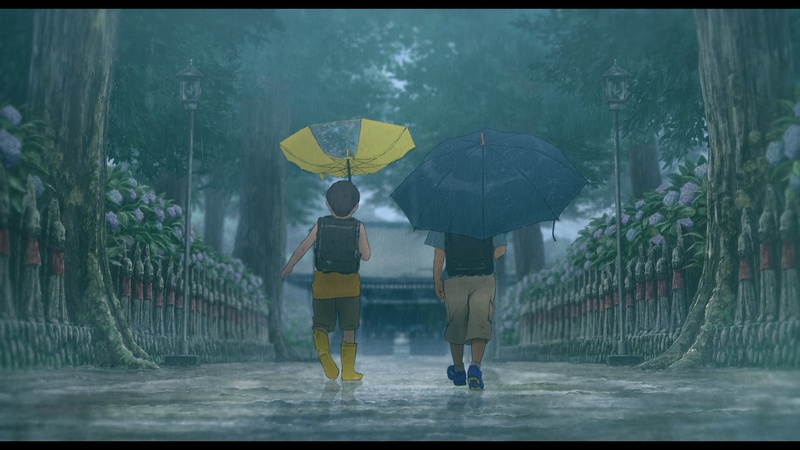
WE ARE ALIENS moves with the patience of memory itself. Not filmmaking memory, where every moment arrives on queue and heightened, but actual memory, fragmented, uneven, specific, and often tied to feelings that become harder to explain with age. Kohei Kadowaki’s film understands how childhood relationships can shape the architecture of an entire life, even when those relationships eventually disappear into distance and silence.

Quiet Complicity Dressed As Patriotism

A Man of His Time (Notre salut)

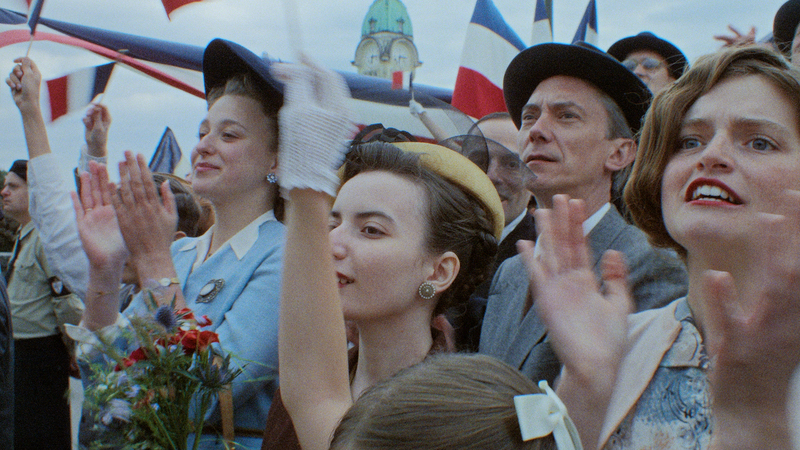
This story does something that I haven’t seen often, a unique exploration that begins from a place of displacement, with a man already disconnected from everything that once defined him. By the time he reaches Vichy, the collapse has already happened. What follows isn’t about whether he’ll fall further, but how far he’s willing to reshape himself to avoid acknowledging what he’s become.

A Journey Defined by Distance and Consequence

Che Guevara: The Last Companions (Les Survivants du Che)

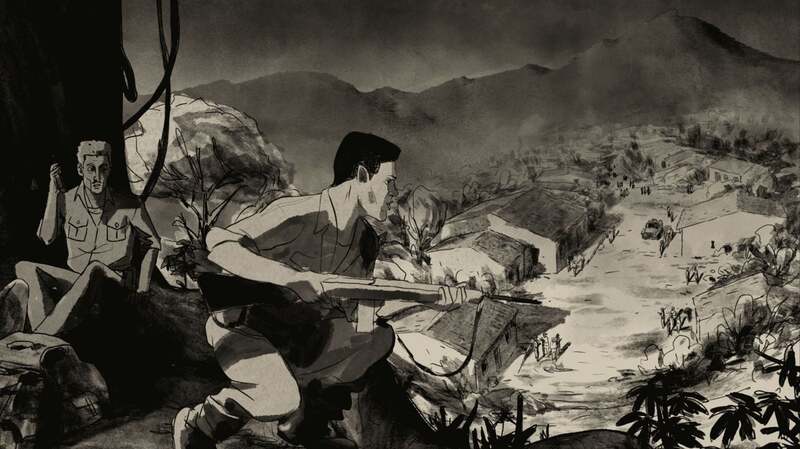
What happens after the story everyone already knows ends? That’s the question sitting at the center of CHE GUEVARA: THE LAST COMPANIONS, and it’s one the film approaches with a clear understanding that the answer won’t be what you’ve set yourself to expect. The revolution has already been immortalized, simplified, and repurposed across decades. What remains here are the fragments left behind, carried by the people who had to keep moving when the symbol they followed fell.

The Cost of Safety in an Unsafe World

The Station (Al Mahattah)

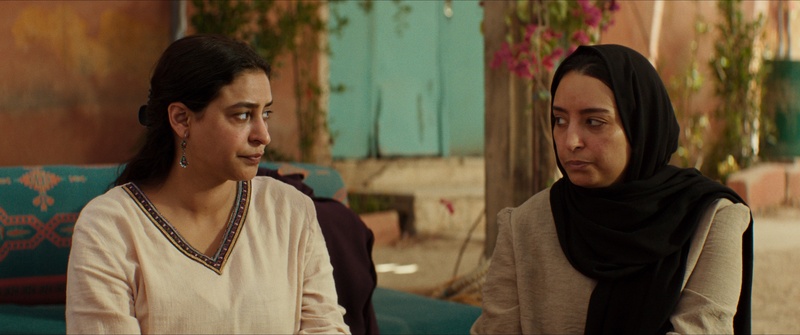
There’s a stillness that defines THE STATION, but it’s not the kind that brings comfort. It’s the kind that feels earned through exhaustion, where every rule in place exists because something worse has already happened. The film doesn’t explain that history directly, because it doesn’t need to do so. You feel it in the structure of the space, in the way people move through it, and in the unspoken understanding that this fragile sense of order could collapse at any moment.

When Saying Yes Finally Breaks Something

Blaise

BLAISE doesn’t start with a big moment or a clear turning point. It starts with someone who’s gotten so used to saying yes that it barely registers anymore. That pattern isn’t framed as a flaw right away; it’s just how he is, keeping things easy, keeping things quiet. The shift comes later, and when it does, it doesn’t feel like growth at first. It feels like a disruption.

Space to Breathe, Room to Change

Caravan (Karavan)

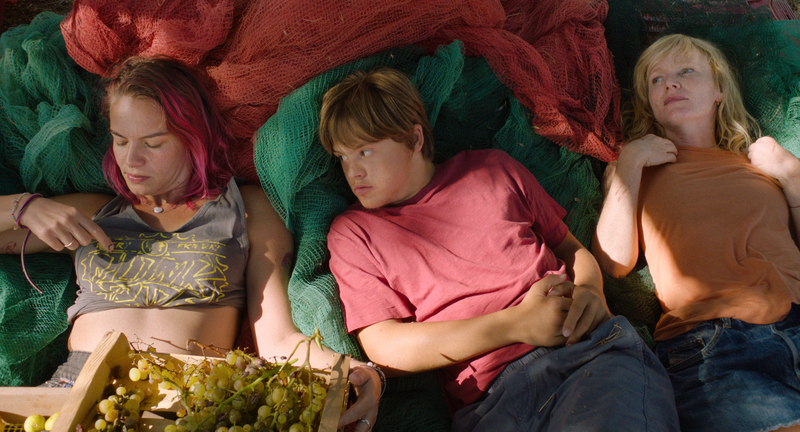
Sometimes the most revealing journeys happen quietly, through subtle gestures and emotions that don’t announce themselves. That’s the guiding force behind CARAVAN, a character drama wrapped in the skin of a road movie but far more focused on the internal miles than the ones on the odometer. It doesn’t aim to redefine a genre or shake up convention—it simply wants to make space for a truth often overlooked: the emotional labor of caretaking and the ache that comes from never being asked what you need.

A Cosmic Quest Told Without Saying a Word

Dandelion’s Odyssey (Planètes)

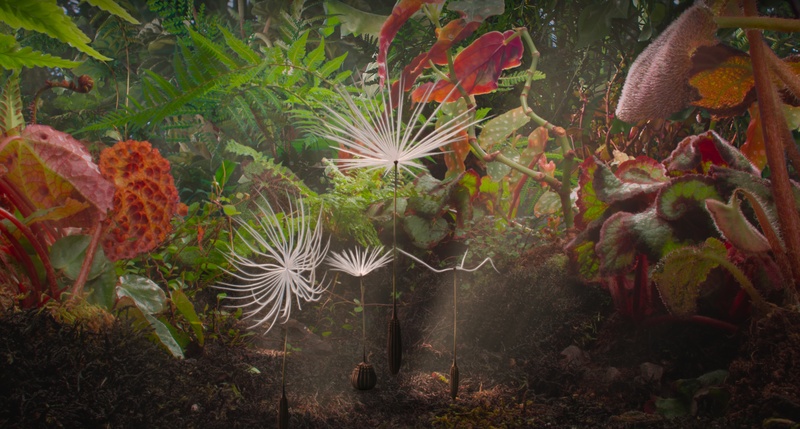
Not every project needs 70-plus minutes to make its point. Some concepts are better served with brevity, clarity, and a tighter grip on their emotional trajectory. That’s what came to mind while watching DANDELION’S ODYSSEY. This feature carries a beautiful message about rebirth, resilience, and environmental recovery, but one that too often feels stretched thin and tonally uneven. Some pieces here work on a poetic level, but the overall structure feels more experimental than fully realized.

Where the Camera Doesn't Look Away

Militantropos (Мілітантропос)

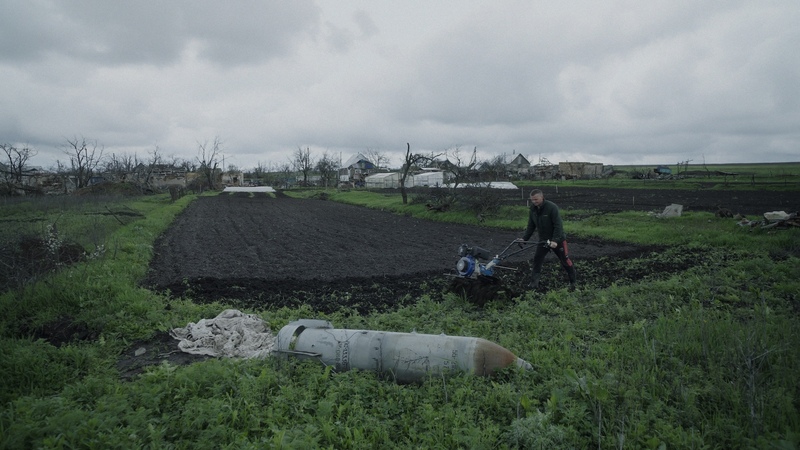
This isn’t the kind of documentary that waits for your attention—it confronts you, without spectacle, with a reality that refuses to be simplified. Every sequence has an emotional honesty baked into it that refuses to play to expectations. Whether observing the resilience of those rebuilding in silence or the disorienting calm before the next strike, the work isn't asking for sympathy. It's asking for presence.

Addiction, Denial, and the Cost of Caring

Meteors (Météors)

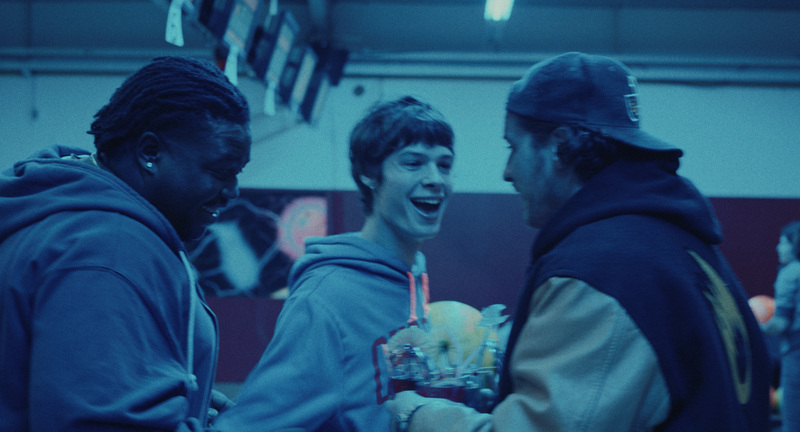
Quiet chaos builds when people outgrow their circumstances but don’t know where else to go. This film taps into that unspoken tension, telling a story rooted in forgotten towns, strained friendships, and the toxic weight of everything left unsaid. It’s not a story about triumph or transformation—it’s about hanging on when the past is pressing in and the future never really shows up.

Love Grows Somewhere Between Chaos and Quiet

Peak Everything (Amour Apocalypse)

This story plays with limits—blurring chaos with soft-spoken humor, placing global collapse next to personal longing. It knows how to slip between tones without needing to justify the transitions. It trusts that audiences can feel the noise behind the silence and recognize sincerity in absurdity. There's a strange confidence in its refusal to clarify. This isn't a love story. It's not a disaster film either. It's a snapshot of fragility wrapped in dry wit and slightly off-kilter optimism.

Between Distance and Intimacy, Truth Fades

I Only Rest in the Storm (O Riso e a Faca) (Tomorrow Will Be Another Day)

Stories that work best aren’t always the loudest. Some simply hold a mirror up to our systems, roles, and the limits of our control—and they ask us to look without flinching. I ONLY REST IN THE STORM does exactly that. It crafts its mood out of tension rather than action, and instead of pointing toward resolution, it circles the idea of disintegration—of purpose, identity, and infrastructure. The film thrives in the space between what’s happening and what can’t be said aloud, offering a precise, sharp meditation on power, presence, and disconnection. Be warned, at three and a half hours, it’s not a quick watch, but thankfully, the story gives you more than enough to work with, and the runtime never feels like an issue.

Redefining Family, One Signature at a Time

Lover Letters (Des preuves d'amour)

When a story finds clarity in the complicated and weight in the quiet moments rather than the explosive ones, it earns its place by how closely it listens to its characters. That’s the approach taken here—patient, careful, and layered with unspoken tension. The film explores the space between legality and love. It doesn’t ask the audience to lean in—it trusts they already are.

Not Everything Stays Buried Forever

A Useful Ghost (Phi Chidi Kha)

There’s bold, and then there’s bewildering—and this one walks that line with an uneven but undeniably curious confidence. A USEFUL GHOST presents a premise that’s strange enough to be memorable, yet it stumbles when translating that novelty into something emotionally satisfying. It’s the kind of film that feels like it’s reaching for meaning, but never quite gets there, even when its intentions are admirable.

A Structure Built, a Voice Lost

The Great Arch (L'inconnu de la Grande Arche)

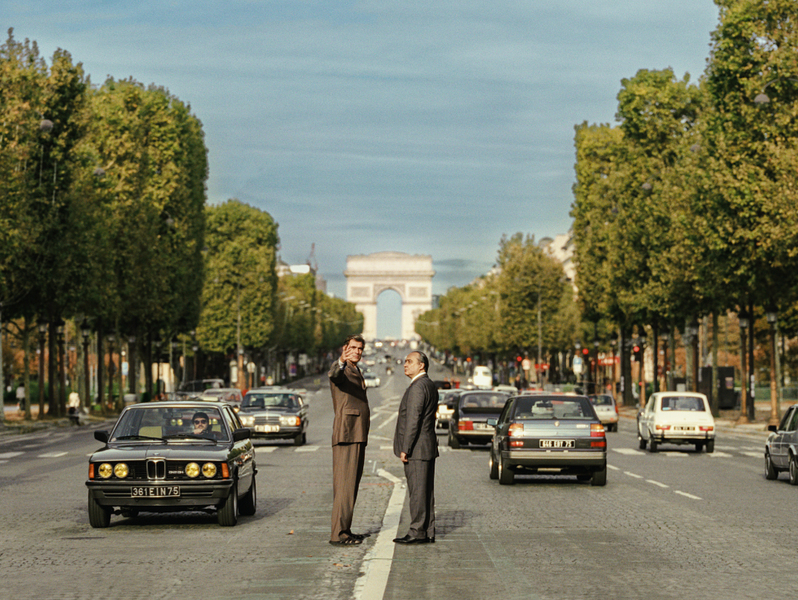
When a competition built on anonymity unexpectedly hands a colossal national project to a soft-spoken Danish academic, the result is less a fairy tale and more a slow-motion clash between idealism and the real world. THE GREAT ARCH taps into that tension with precision, offering a procedural character study about the weight of vision, the limits of control, and how quickly inspiration can become compromised under public scrutiny.

Animated Chaos With Something to Say

Death Does Not Exist (La Mort n’existe pas)

What happens when a film shows us inner turmoil rather than spell it out? DEATH DOES NOT EXIST takes that gamble and leans into a style that embraces uncertainty, challenging its audience to engage without a clear roadmap. Rather than presenting a story with traditional arcs and easily labeled motives, this animated feature opts for a structure built on contradiction, metaphor, and transformation, both literal and emotional. The result is a project that’s as introspective as it is ambitious, walking a fine line between originality and occasionally opacity.

Identity and Exclusion Explored

Block Pass (La Pampa)

Revving through the sweeping landscapes of the French countryside, director Antoine Chevrollier's debut film BLOCK PASS zooms in with the electrifying energy of motocross races. Chevrollier, making a notable leap from television to film, crafts a narrative that vibrates with vigor, the complexities of perceived masculinity, and a persistent defiance against what some consider norms—all set against the dynamic thrum of motocross at La Pampa.