The People Behind the Moments
Le Joli Mai (The Lovely Month of May)
MOVIE REVIEW
Le Joli Mai (The Lovely Month of May)
 -
- 

Genre: Documentary
Year: 1963, 2026 Blu-ray
Runtime: 2h 26m
Directors: Chris Marker, Pierre Lhomme
Where to Watch: available now; order your copy here: www.vinegarsyndrome.com, www.icarusfilms.com, or www.amazon.com
RAVING REVIEW: The most intriguing thing about people is that you never can really know what to expect when you ask a stranger a question. Ask someone about work, money, happiness, marriage, or what they want from life, then give them enough space to answer, and eventually they might end up telling you far more than they intended. Chris Marker and Pierre Lhomme understand that, throughout LE JOLI MAI, they turn conversations with Parisians in May of 1962 into a portrait that grows more expressive the further it moves from anything resembling a history lesson.
France had just ended the Algerian War, making this the country's first spring without an active war in decades. Marker and Lhomme could have built their documentary directly around that shift. Instead, they wander through Paris and listen to the people who were there. Politics is always nearby, but so are apartments, jobs, cars, relationships, technology, money, and the eternal question of whether anybody is actually happy.
That approach makes LE JOLI MAI feel remarkably alive more than sixty years later. These people don't know they're participating in a document that future audiences will examine for clues about an era. They're simply answering questions, occasionally enjoying themselves and occasionally becoming uncomfortable when Marker keeps pushing beyond their first response. Their casualness is exactly what gives the film so much value.
The opening section, “A Prayer from the Eiffel Tower,” is especially good at finding meaning in conversations that initially seem insignificant. A salesman talks about his car and freedom. A mother discusses finally having enough space for her family. Young lovers consider whether their happiness can last forever. Children stare at the possibilities of space travel, while adults describe prosperity in much more practical terms.
The answers are sometimes funny because people contradict themselves so confidently. Marker doesn't always need to challenge them directly; another question, a cut to something happening elsewhere in the city, or even the expression on someone's face can do the job. LE JOLI MAI has an unexpectedly playful sense of humor for a documentary dealing with such a significant political moment, and that keeps its intellectual curiosity from becoming overly academic.
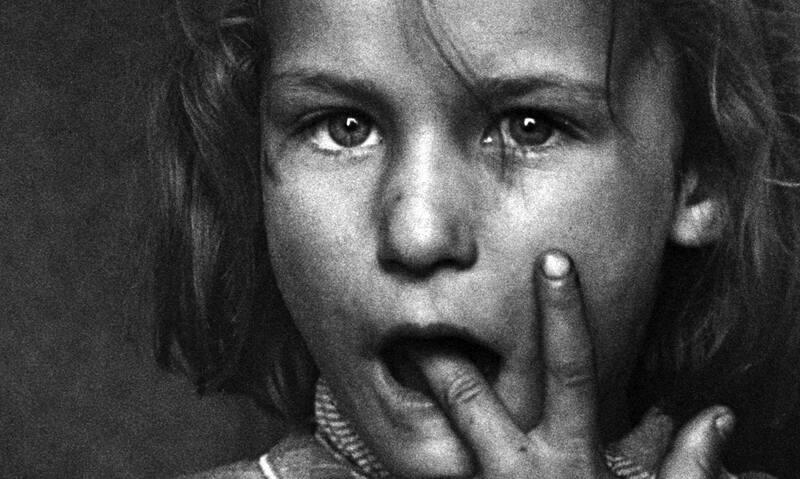
Pierre Lhomme's photography is just as important as anything being said. Paris isn't presented as the romantic city generations of movies have sold to audiences worldwide. The Eiffel Tower is still there, and the streets remain instantly recognizable. Lhomme focuses on workers, construction, crowded sidewalks, apartment buildings, and faces that haven't been selected because they're particularly glamorous or unusual. The city becomes populated rather than presented.
That distinction matters because the movie keeps pulling our attention away from Paris as an idea and toward Paris as a place where people actually have to live. Someone worries about housing while somebody else talks about financial opportunity. One person imagines technological progress improving society, while another is occupied with far more immediate circumstances. Their answers begin building a city full of people technically sharing the same moment without necessarily experiencing the same version of it.
The shift into “The Return of Fantomas” makes that divide considerably harder to ignore. Race, colonialism, labor, and political responsibility move closer to the surface, including conversations with an African student and an Algerian worker that expose realities sitting underneath some of the optimism heard elsewhere. France may officially have entered a period of peace, but declaring a war finished doesn't instantly resolve everything the war created.
Some of the strongest passages come when Marker encounters people who seem detached from the political events around them. Their disinterest becomes information in itself. LE JOLI MAI isn't only documenting what Parisians believed in 1962; it's also recording what they preferred not to think about, what they didn't know, and which problems were easier to leave outside their personal definition of happiness.
That makes the movie's questions about happiness increasingly complicated. Early on, happiness can sound like having a better apartment, enough money, or someone to love. Those things aren't treated as foolish or insignificant, yet the documentary gradually asks whether individual comfort can ever be completely separated from the conditions surrounding it. Someone can be perfectly content while another person several streets away is confronting discrimination, poverty, or the aftermath of colonial violence.
Marker doesn't hide his perspective as he asks these questions. At times you can feel him pressing an interviewee because an answer clearly hasn't satisfied him, which is one reason the film shouldn't be mistaken for completely neutral observation. His curiosity can become argumentative, and occasionally the questioning feels less interested in discovering where someone stands than in testing how well that position survives another question.
Usually that tension helps. A person says something simple, Marker asks them to explain it, and suddenly the certainty begins developing cracks. Watching those cracks appear can be more revealing than hearing a polished political argument because subjects work through their beliefs in real time.
The downside is that 146 minutes is still a substantial amount of time to spend this way. Not every encounter carries equal impact, and at times the accumulation of conversations produces diminishing returns. The first section, in particular, blends humor, personality, and observation, so later material can feel slower even when the ideas are more serious.
The length also creates something a tighter documentary might have lost. After spending so much time moving among these people, recurring concerns begin connecting almost accidentally. Money leads to work, work leads to leisure, leisure leads to happiness, happiness leads to inequality, and inequality eventually makes politics impossible to keep outside the conversation.
Michel Legrand's music and the narration provide another layer without overwhelming the people being photographed. The English-language version uses Simone Signoret, while Yves Montand narrates the French version, but neither changes the fact that the most important voices belong to people who weren't famous. The celebrities you spot around Paris are almost beside the point. This movie focuses on the anonymous majority moving through the same streets.
That also makes LE JOLI MAI fascinating to watch today. Hairstyles, cars, and storefronts immediately place everything in another era, while many conversations barely require translation across decades. People still measure happiness against money. They still assume technology will create more free time. They still complain about housing, struggle with prejudice, tune out politics and concentrate on whatever problem is closest to them.
The new Icarus Films Blu-ray preserves the restored version supervised by Pierre Lhomme, which runs roughly twenty minutes shorter than the original release. That restoration doesn't try to erase signs of the film's age, and that feels appropriate for something whose entire purpose depends on capturing a specific moment. The scratches of history belong here almost as much as the faces do.
Some documentaries explain history after everyone knows what happened; others are rare, fortunate enough to stand inside history before anyone knows what comes next. LE JOLI MAI belongs to the latter group. May 1968 is still years away, and the people being interviewed can't know which anxieties, frustrations, and social questions will continue building beneath the surface. That knowledge belongs to us, not them, and it changes how their confidence sounds. What might have seemed like casual conversation in 1962 now carries the strange weight of people unknowingly describing the world immediately before it changes again. Marker and Lhomme didn't need their subjects to predict the future. They only needed them to talk long enough for the present to reveal itself.
LE JOLI MAI can be demanding, and its sprawling collection of conversations doesn't maintain the same level of engagement for every minute. Yet that looseness also enables some of its best discoveries. By allowing Paris to speak through dozens of conflicting voices, Marker and Lhomme captured something far more interesting than a beautiful city in the spring. They captured people trying to explain what happiness means while history quietly continues around them.
Please visit https://linktr.ee/overlyhonestr for more reviews.
You can follow me on Letterboxd, Instagram, Twitter, and YouTube. You can also find my social media accounts on most platforms by searching for 'Overly Honest Reviews'.
I’m always happy to hear from my readers; please don't hesitate to say hello or send me any questions about movies.
[photo courtesy of ICARUS FILMS]
DISCLAIMER:
At Overly Honest Movie Reviews, we value honesty and transparency. Occasionally, we receive complimentary items for review, including DVDs, Blu-rays, CDs, Vinyl Records, Books, and more. We assure you these arrangements do not influence our reviews, as we are committed to unbiased, sincere evaluations. We aim to help you make informed entertainment choices regardless of our relationship with distributors or producers.
Amazon Affiliate Links:
This site also contains Amazon affiliate links. If you purchase through these links, we may receive a commission. This affiliate arrangement does not affect our commitment to honest reviews and helps support our site. We appreciate your trust and support as you navigate these links.
