Atlanta‘s Hometown News Site

Entertainment|Tribeca Film Festival
Family History Captured One Frame at a Time

Memorizu (メモリィズ)

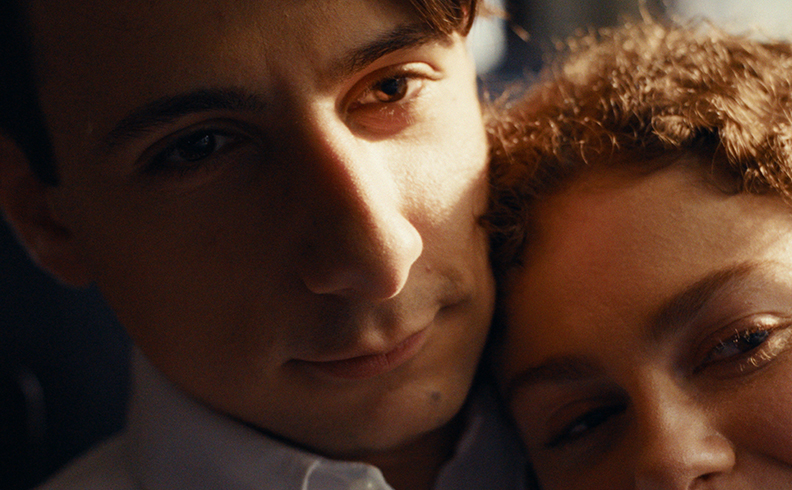
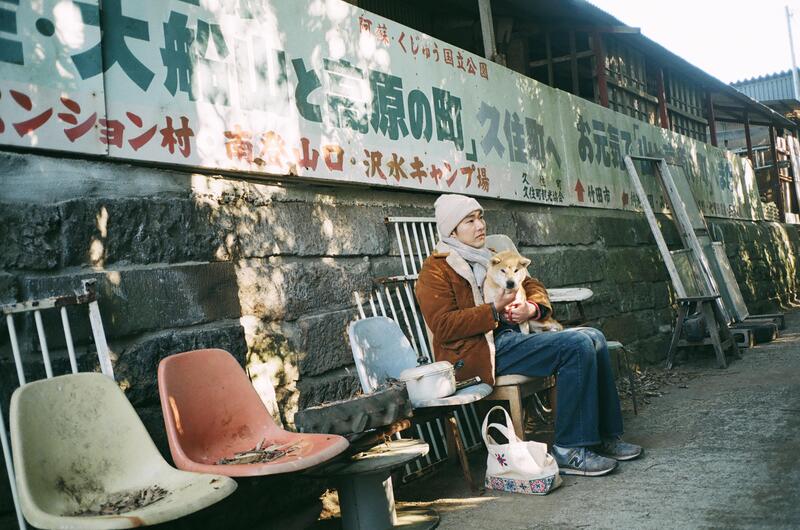
MEMORIZU handles life with the patience of somebody sorting through an old photo album. Not searching for revelations or life-changing discoveries, but pausing on small details that suddenly carry so much more years later. A glance. A room. The shape of the afternoon light coming through a window. The kind of moments most people barely register while living them, only realizing their value after time has already carried them away. Miiku Sakanishi’s debut feature understands that memory rarely functions through grand events. Most lives are built from accumulation. Tiny moments of ordinary existence that grow more meaningful once distance enters the picture.
Knowledge Has Never Felt This Violent

Imprint

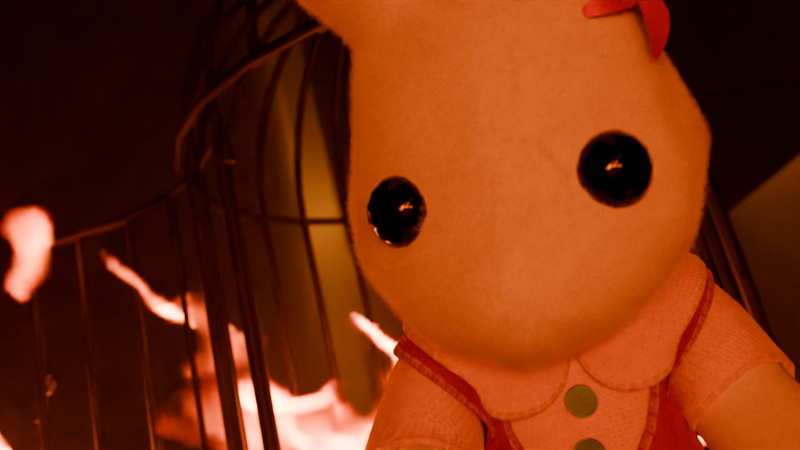
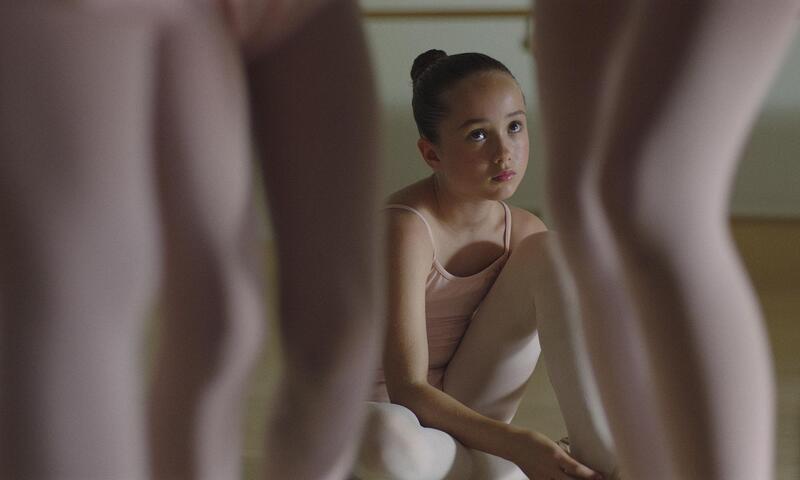
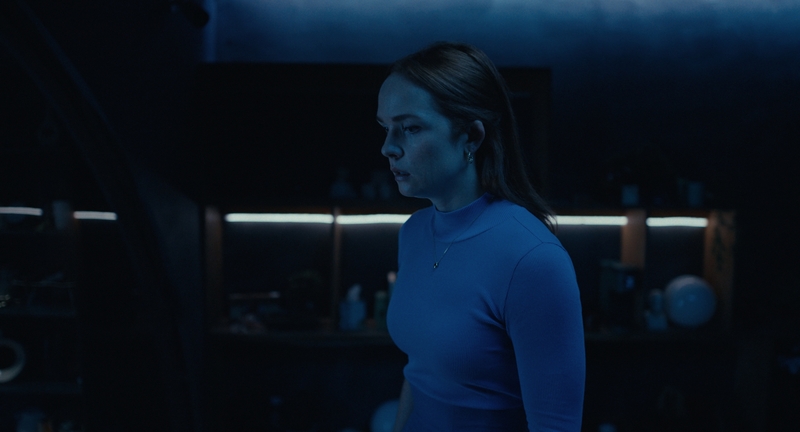
IMPRINT delivers a level of pressure that needs no explanation, as most people already understand it. The fear of falling behind. The panic that somebody else’s child is getting access to opportunities your own child might miss. The constant sense that success has become less about growth and more about survival. Ran Jing’s short film takes those anxieties and pushes them just far enough into speculative sci-fi to become horrifying without ever losing sight of reality.

The Most Uncomfortable Conversation Never Ends

Holo

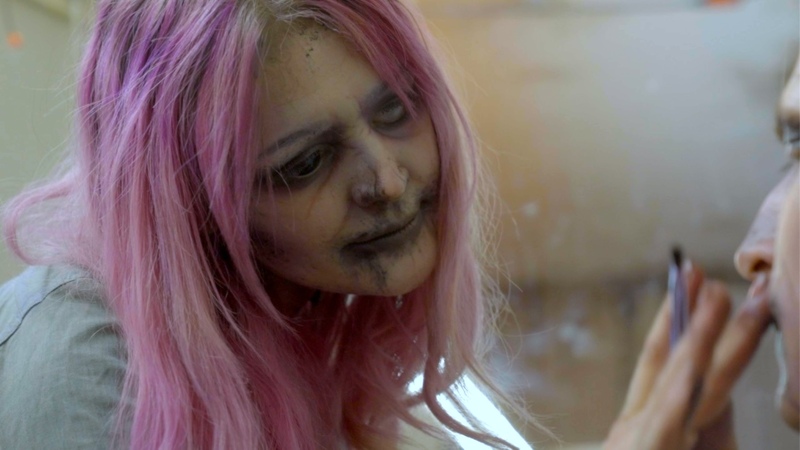
What makes HOLO so unsettling isn’t the technology itself. Plenty of science fiction stories have explored some form of digital resurrection, artificial likenesses, or simulated grief. What hits differently here is how ordinary everything feels. The office space is clean and corporate. The procedures are treated like customer service. There’s paperwork, scheduling, preparation, and emotion. Alexander DeSouza’s short never presents its central concept like a futuristic breakthrough designed to amaze audiences. Instead, it treats the idea of resurrection as something disturbingly commercialized, like trauma has simply become another service people can purchase by appointment. That approach gives HOLO its identity almost immediately.

The Pre-Internet Struggle Gets Surprisingly Emotional

Last Minute

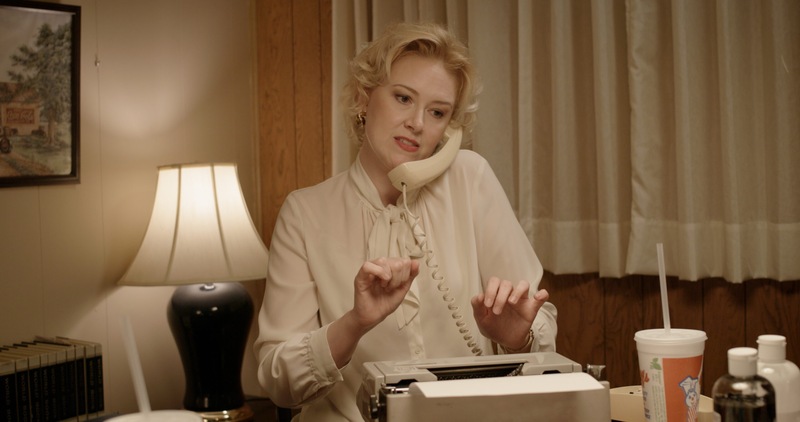
LAST MINUTE understands something a lot of nostalgia-driven filmmaking misses entirely. Memory becomes far more meaningful when it’s attached to stress, embarrassment, inconvenience, and chaos instead of an idealized version of comfort. Michael Cusumano’s short doesn’t romanticize the late 80s as some perfect lost era untouched by problems. It remembers how frustrating life could actually be before instant access to information, and that honesty gives the film its personality. I think one of the most intriguing ideas the film explores is that, despite the convenience of technology, life presents us with entirely different issues. But it does this in a way that focuses on the issues of yesteryear.

An Animated Sprint Fueled by Defiance

Violet and Marlowe Rob a Bank

VIOLET AND MARLOWE ROB A BANK barely gives you enough time to settle in before it’s already sprinting toward the next moment of chaos, music, and insanity. At just two minutes long, Wesley Wang’s short operates less like a traditional narrative and more like a concentrated shot of energy fired directly into the audience’s bloodstream. And honestly, that’s exactly why it works. I hate the reality of the world we live in. When I first saw the stills from this, I had to question whether it was AI. Thankfully, it wasn’t, and once I watched the short, I didn’t question that; the heart, the passion, and the craftsmanship are so clear! Sadly, we live in a time when anything that looks intriguing almost has to be questioned.

Fear Becomes a Form of Survival

The Haunting of Pennhurst

THE HAUNTING OF PENNHURST starts like a ghost story, but the longer it goes, the clearer it becomes that the film isn’t interested in ghosts at all. It’s interested in systems. Institutions. Memory. The ways societies bury cruelty beneath euphemisms like “care” and “treatment” until the language itself almost starts to sound haunted. By the time the documentary settles in, the abandoned Pennhurst State School & Hospital stops feeling like a horror setting and begins to resemble an accusation.

Rarely Has Heartbreak Sounded This Chaotic

General Admission

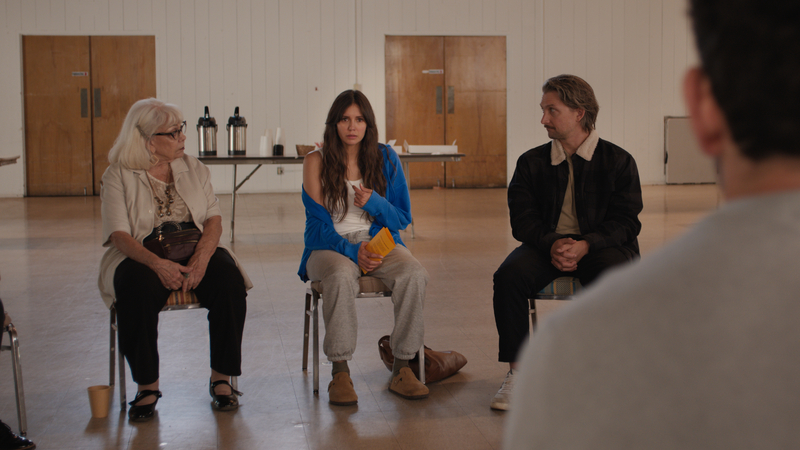
GENERAL ADMISSION moves at the speed of a panic attack. Before the audience even has time to settle in, Kelly is already unloading a metric ton of emotional wreckage onto a room full of strangers with the kind of honesty that immediately crosses the line from relatable into socially catastrophic. The short understands exactly how uncomfortable that situation is, and more importantly, how funny discomfort becomes once somebody loses the ability to stop talking. That’s where the magic is; there’s something undeniably relatable to that spiral.

A Civil Rights Landmark Reclaims Its Voice

The Lorraine

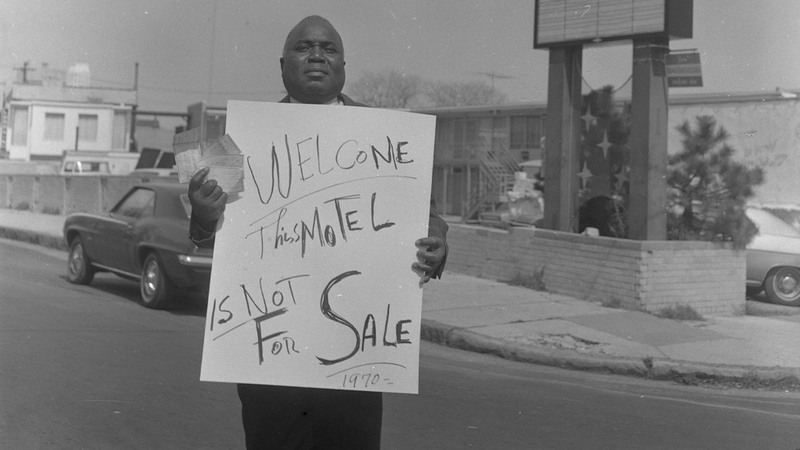
THE LORRAINE begins with a necessary moment of education. For many people, the Lorraine Motel exists in public memory as the place where Reverend Martin Luther King Jr. was assassinated, a site reduced in a way by history books, photographs, and collective grief to one balcony and one devastating moment. Sam Pollard’s documentary refuses to let that be the whole story. It doesn’t diminish the horror of what happened on April 4, 1968, but it pushes back against the way tragedy can consume everything that came before it. The film insists that the Lorraine wasn’t important because a great man died there. It was already important because Black life, artistry, entrepreneurship, safety, and resistance had been flourishing there long before the world turned its eyes toward Room 306.

The Future Comes With Wrinkles

The A-Word: The Future of Aging

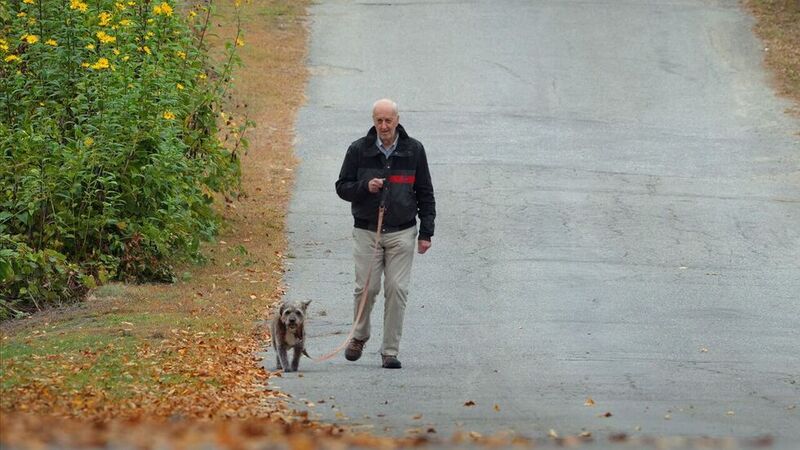
THE A-WORD: THE FUTURE OF AGING knows the quickest way to make longevity science feel less abstract. Just stop treating it like a billionaire fantasy and put an older man alongside an older dog. That gives Greg Kohs’ documentary a necessary emotional connection point because the subject itself could easily have drifted into the terminology of biotech conferences, medical forecasting, and future-facing optimism. Instead, the film keeps returning to George Betke, an 87-year-old widower in Maine, and Monica, his senior rescue dog. Their walks, their quiet moments, and their bond give the film a shape that no chart or expert interview could provide on its own. The science matters, but it matters because aging has a face, a body, a home, a schedule, a history of grief, and a companion moving a little slower with each passing year.

A Family Rewrites Its Own Survival

Matininó

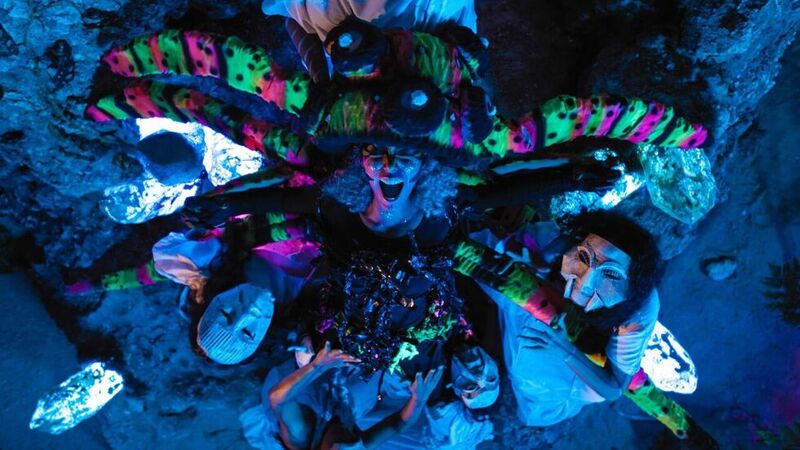
MATININÓ doesn’t treat healing as some easy trip back home. It treats it as labor, argument, imagination, discomfort, performance, memory, and invention occurring simultaneously. Gabriela Díaz Arp’s documentary begins from a place of real pain, but it refuses to confine these women to testimony alone. Instead, it hands them masks, costumes, language, myth, movement, and the authority to reshape what has been carried through generations. That choice gives the film its heartbeat. This isn’t a documentary that simply observes survivors as they explain what happened to them. It’s a film about women taking the raw material of their own histories and building a new world from it.

The Match Happening Off the Court

Fault

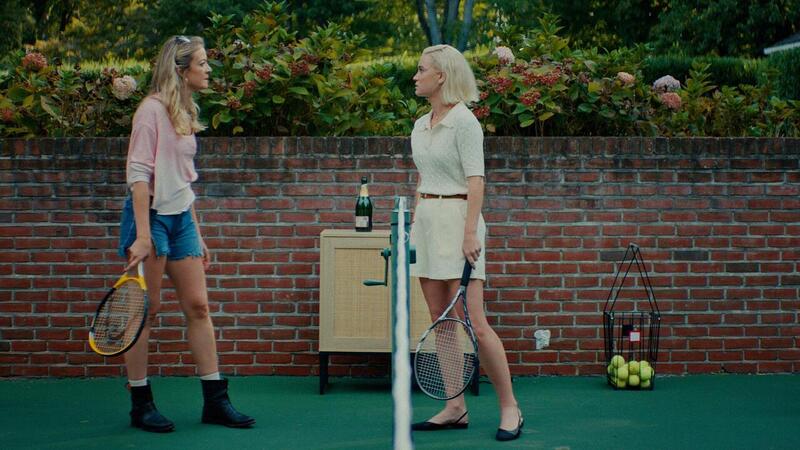
Sports films often build themselves around visible pressure. Championships, rankings, public expectations, physical exhaustion, and the constant demand to keep performing no matter what’s happening on the inside. FAULT understands that there’s too often something more unsightly beneath all of that. Sometimes the real pressure comes from maintaining the version of yourself that allowed you to survive in the first place. That sits at the center of Misha Calvert’s short film, turning what could have been a straightforward trauma narrative into something far more emotionally volatile.

Healing Arrives One Track at a Time

Sara Bareilles: Good Grief

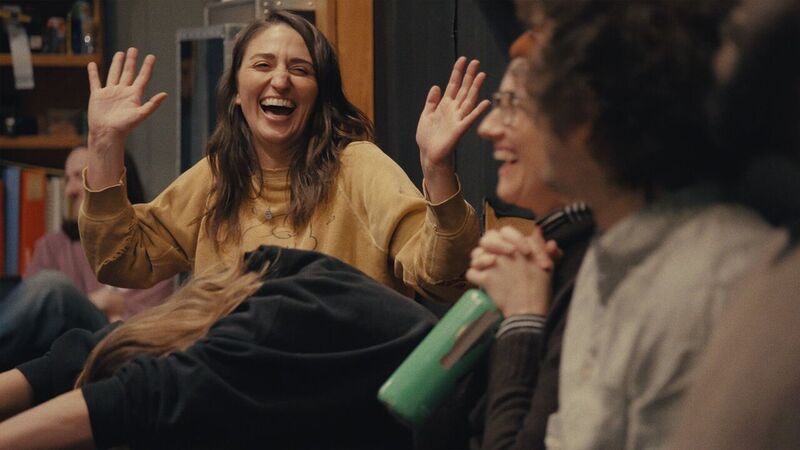
SARA BAREILLES: GOOD GRIEF doesn’t approach grief as just an emotional arc, which is exactly why its most peaceful moments land with so much force. Josh Alexander’s documentary follows Sara Bareilles as she returns to the recording studio for the first time in seven years, bringing with her a new collection of songs shaped by personal loss, creative uncertainty, and the courage it takes to share pain before you’ve figured out how to manage it. The film isn’t built around a famous artist explaining herself from a safe distance. It stays close to the work, the room, the conversations, and the people trusted enough to be present while something takes shape.

Growing up While Directing Your Own Story

Kids Like Me

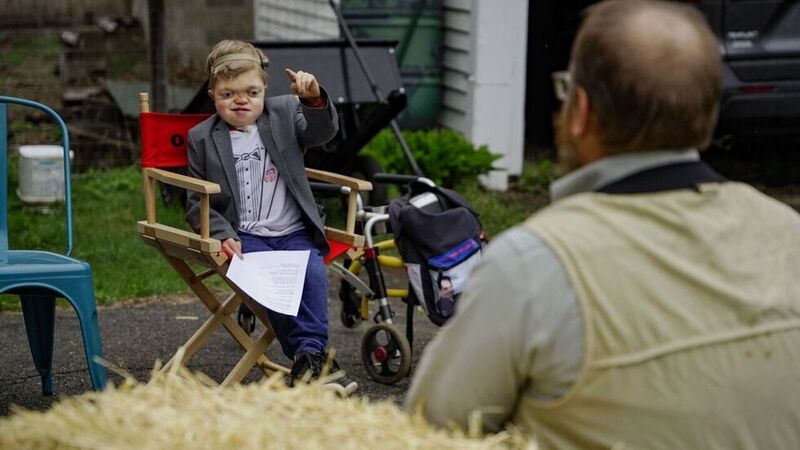
Many documentaries about disability position themselves around education, inspiration, advocacy, or emotional endurance so aggressively that the people at the center begin to feel flattened into something like a symbol long before the audience gets to know them as people. KIDS LIKE ME avoids that because Cynthia Lowen and Jon Cohrs understand something simple but surprisingly rare. Oliver is not interesting because he has a disability. He’s interesting because he’s funny, obsessive, imaginative, dramatic, creative, stubborn, emotionally complicated, and consumed by the idea of making movies. That shapes the entire documentary in the best possible way.

A Story Waiting to Happen

I Want To Feel Fun

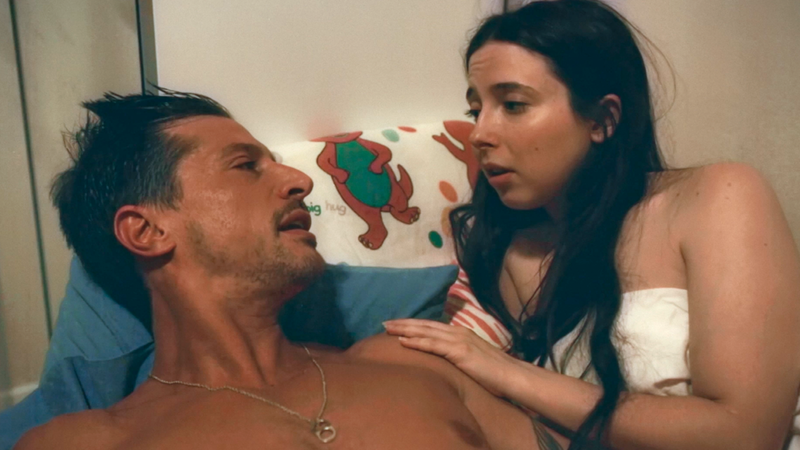
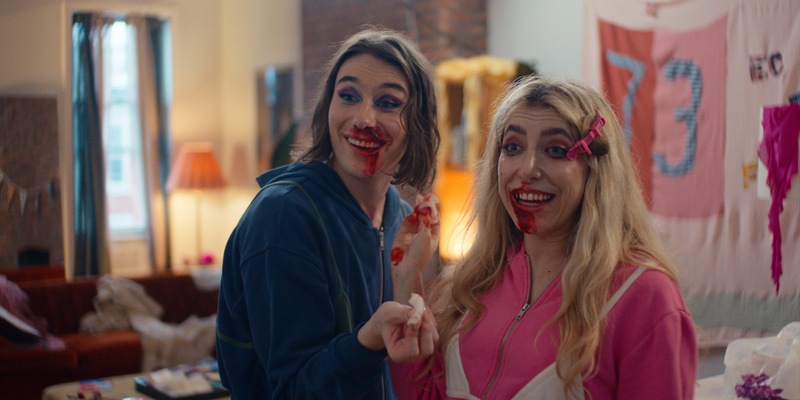
The moment this short begins, there’s a spark—unfiltered, almost chaotic in its momentum, as if we’re being tossed into someone else’s world and left to ride the confusion alongside them. That unpredictability is both its strength and its ceiling. The film plays with improvisation, character dynamics, and lived-in tension. Still, while it captures a certain emotional honesty, it hesitates to push any of its ideas. There’s charm, chemistry, and a mood worth appreciating, but it feels like it needed just one more try to connect fully.

Rebellion, Anxiety, and One Hell of a Metaphor

Ovary-Acting

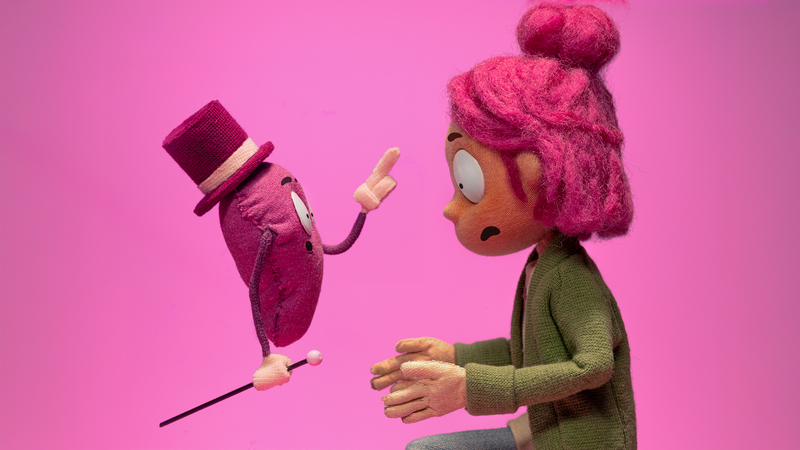
There’s a certain thrill when a short refuses to tiptoe around a subject and barrels straight through it with energy, humor, and no fear. This one doesn’t ask for permission—it makes an entrance, lays everything out, and dares you to look away. It’s the kind of story that hits hard without losing its wit, using a handcrafted world to dissect one of the most pressurized questions a person can face. And despite its short runtime, it manages to stir up an entire storm of feelings while keeping its comedic edge intact.

Beauty, Silence, and a Search for Meaning

Snow Bear

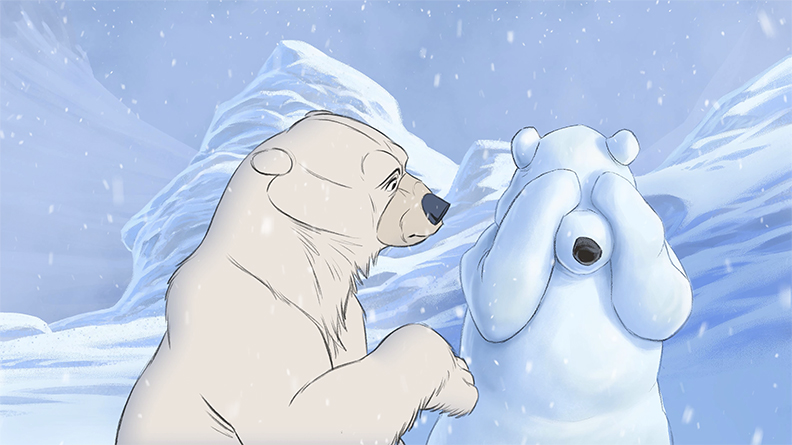
A story told without dialogue doesn’t sound like it would have much to say, but this one speaks volumes. Combining meticulous hand-drawn animation with a deeply personal tone, this short film relies on restraint instead of spectacle. It’s not trying to reinvent the medium or deliver a jolt of shock value. Instead, it slows the pace and leans into stillness, letting emotion come through in visuals and the space between scenes. That kind of patience may test some viewers, but it also creates something rare: a quiet, confident reminder of how powerful animation can be when it trusts the audience to feel instead of react.

The Silence Between Movements Matters

Playing God

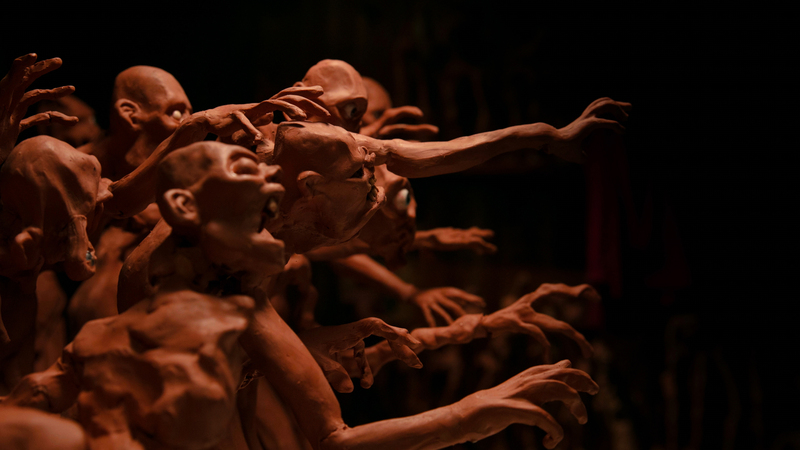
What do you do with the things you can’t fix? That question hovers over every frame of this strangely moving animated short. Born from exhaustion and driven by an obsession with control, it offers a stripped-down but emotionally loaded reflection on perfectionism and the creative urge to build. Despite a brief runtime, it echoes, especially for those who know what it feels like to be left behind, unfinished, or not quite enough.

Conversations With Consequences, Secrets Between Lines

Terror Keeps You Slender

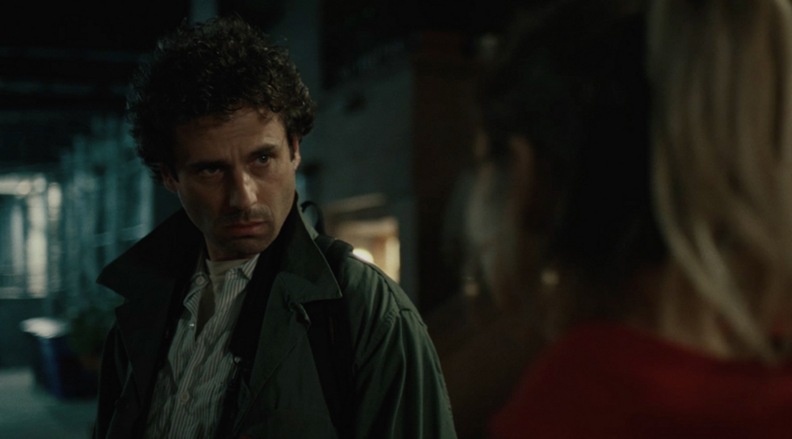
The streets of Harlem become a pressure cooker in this character-focused short, where the weight of survival sits just beneath the surface of everyday conversation. In 22 minutes, the film manages to build a layered confrontation disguised as coincidence, capturing the subtle electricity of two strangers who quickly realize they’re not just exchanging words—they’re trying to outmaneuver each other. This story balances observation with confrontation, humor with tension, and performance with vulnerability.

A Cautionary Tale of Dependency and Desire

The Travel Companion

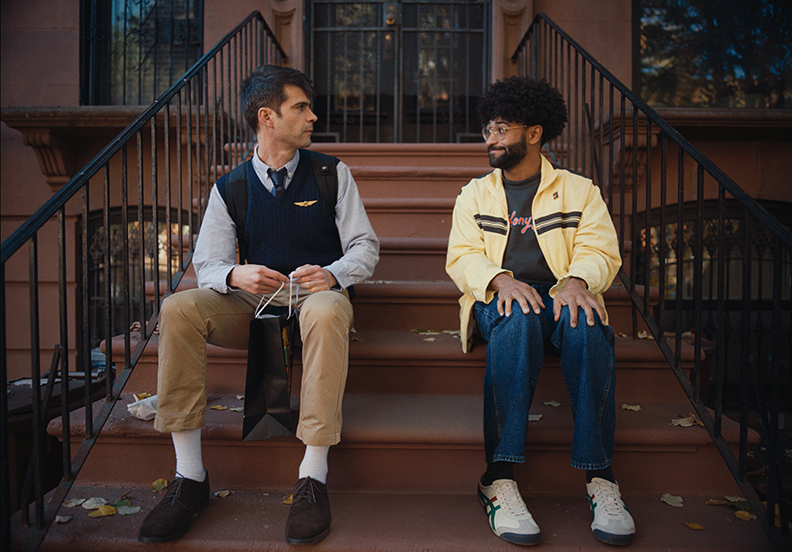
In the bustling backdrop of New York City, where artistic dreams often clash with harsh realities, this indie film captures the essence of ambition, friendship, and the delicate balance between the two. This feature debut from directors Travis Wood and Alex Mallis offers a poignant look at the complexities of creative pursuits and personal relationships. Honestly, it was such a unique experience. I don’t think it would have worked had it been “perfect,” but it’s in the awkwardness that the film truly shines!

Crude, Clever, and Constantly Confrontational

Lemonade Blessing

In a world of sanitized coming-of-age stories, it’s rare to find one that dares to be this confrontational. This debut feature doesn’t just poke the bear—it grabs the cross, lights it on fire, and dares you to look away. It weaponizes irreverence, yet never loses sight of something more meaningful beneath the smirk. It’s both crude and contemplative, mischievous and honest, managing to hold a middle finger in one hand and a mirror in the other. For a film wrapped in the language of a sex comedy, it cuts far deeper than its sacrilegious exterior would suggest.

Afghanistan’s Winter Warriors Break Cultural Ice

Champions of the Golden Valley

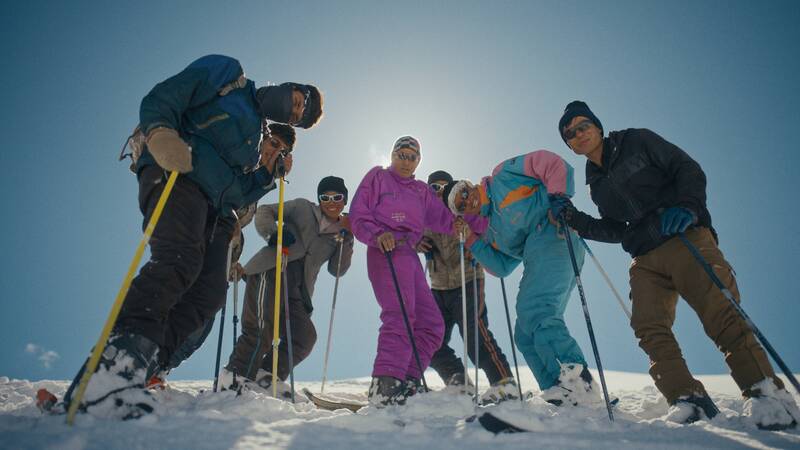
Navigating the rugged terrain of Bamyan, Afghanistan, CHAMPIONS OF THE GOLDEN VALLEY is not just a film about skiing; it's a heartfelt exploration of community, resilience, and the unexpected intersections of sport and cultural unity. Director Ben Sturgulewski brings a compelling narrative that sees skiing as a symbol of harmony and hope for the people of Bamyan.

Love Takes the Field and Champions Queer Voices

Ripe!

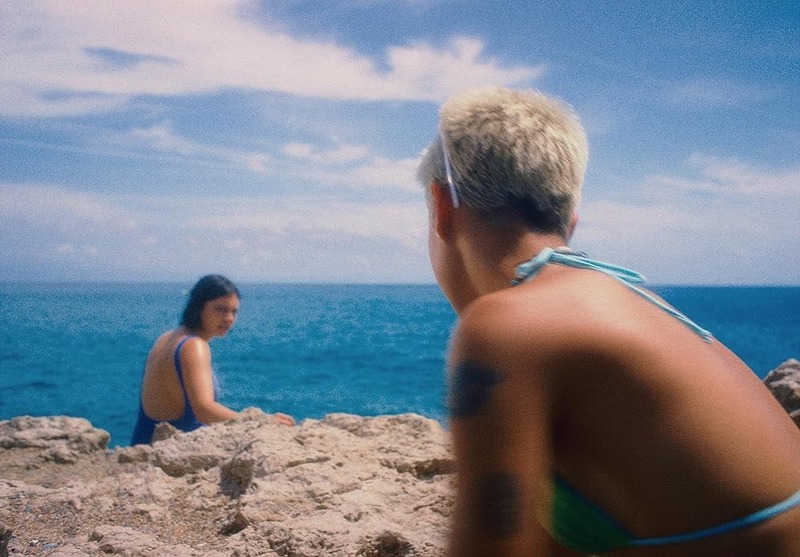
Nestled in Catalonia's radiant landscapes in Spain, RIPE! unwraps a heartfelt story of emerging affection and self-discovery between Sophie (Raina Landolfi) and Gloria (Rita Roca) amidst the summer's heat. This spirited indie flick intertwines elements of sports with intimate personal growth, painting a vivid tapestry of love's complexities. In only 18 minutes, the film tells a story that rivals many feature-length films.

Chronicles the Cost of Courage

Antidote

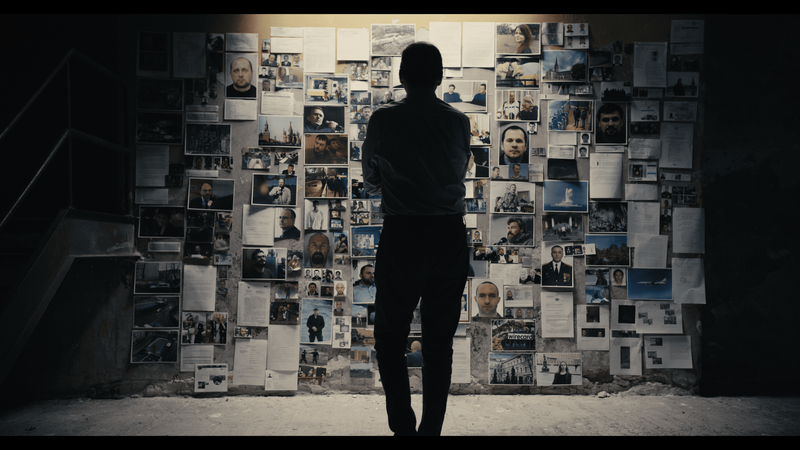
Stepping into the shadowy realms of political dissent and danger, ANTIDOTE captures the high stakes of confronting authoritarian rule in modern Russia. This documentary, directed by James Jones, paints a compelling picture of the life-threatening risks endured by those bold enough to stand against systemic oppression. Not only is this one of the most timely films, but it also reaches beyond the depths of the story being told. With current events in the world reaching critical levels, it's vital to see stories like this of those willing to risk everything to change the course of history.