Atlanta‘s Hometown News Site

Entertainment|Film Festival
Ridiculous Setup, Surprisingly Controlled Execution

Legend Has It

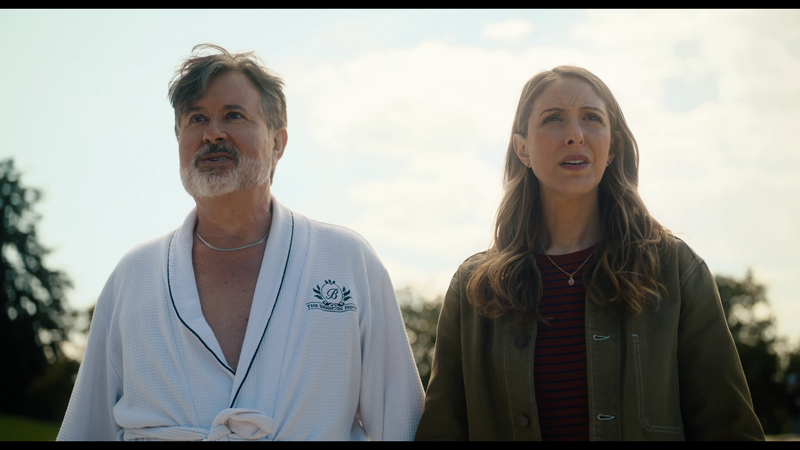
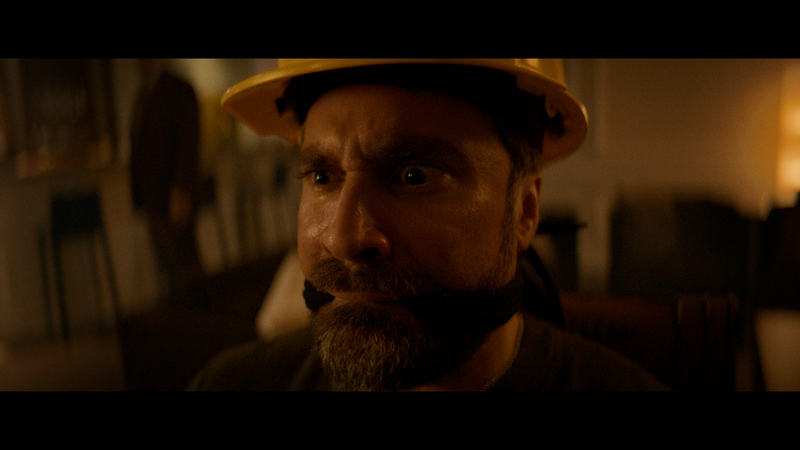
The setup sounds like a joke. A male stripper shows up for a private booking, walks into the wrong room, and suddenly finds himself surrounded by people who are expecting something very different. That kind of premise can fall apart fast if the film relies too heavily on it alone, but this never treats it as a throwaway concept. It locks into the situation and builds everything from how that misunderstanding plays out moment to moment.

The Cost of Getting It Right

Two Tears

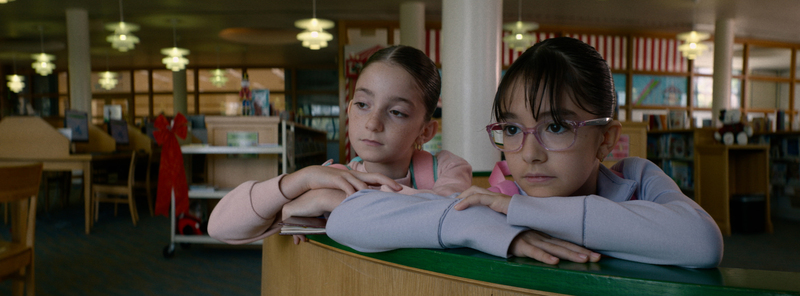
TWO TEARS doesn’t treat childhood like a gentler version of adulthood. It treats it like a space where expectations linger longer than they should. From the opening moments, there’s a sense that these girls aren’t just preparing for a performance, they’re already carrying the pressure to prove something they don’t fully understand yet. Everyone should get a fair shot at childhood, no matter their situation.

History Isn’t Neutral, and This Film Knows It

təm kʷaθ nan - Namesake

There’s a moment early on in this story where it becomes clear this isn’t about a name change on some surface level. It’s about who gets to define reality in a place that’s already been defined for lifetimes. That distinction reshapes everything that follows. What could have been a civic debate becomes something far more personal, rooted in memory, power, and the long shadow of decisions that were never meant to be questioned.

Growing up Faster Than Expected

Pittsburgh

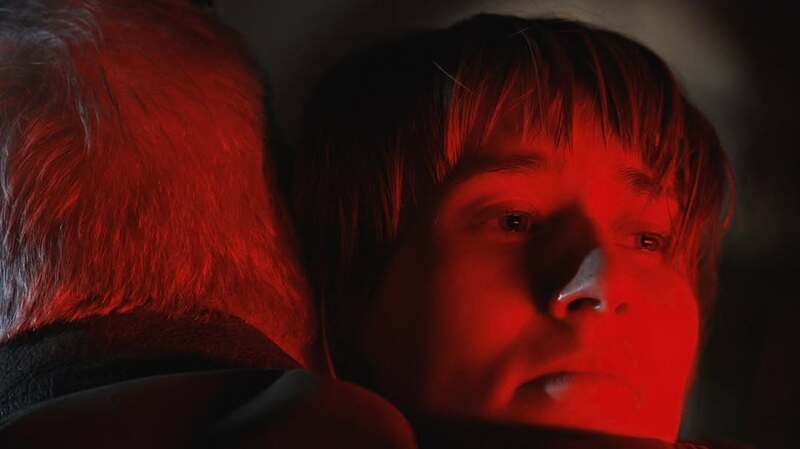
PITTSBURGH doesn’t build toward an emotional pivot; it drops you into the world and lets you sit there long enough to recognize what’s happening. There’s no theatrical proclamation, no oversized moment indicating change. Instead, it trusts the audience to catch up with Mints (Delaney Quinn) at the exact moment when something inside her clicks into place. That restraint becomes an incredibly strong asset, especially given how easily a story like this could lean too hard on sentiment or exaggeration.

Precision Timing Inside Total Absurdity

Steakout!

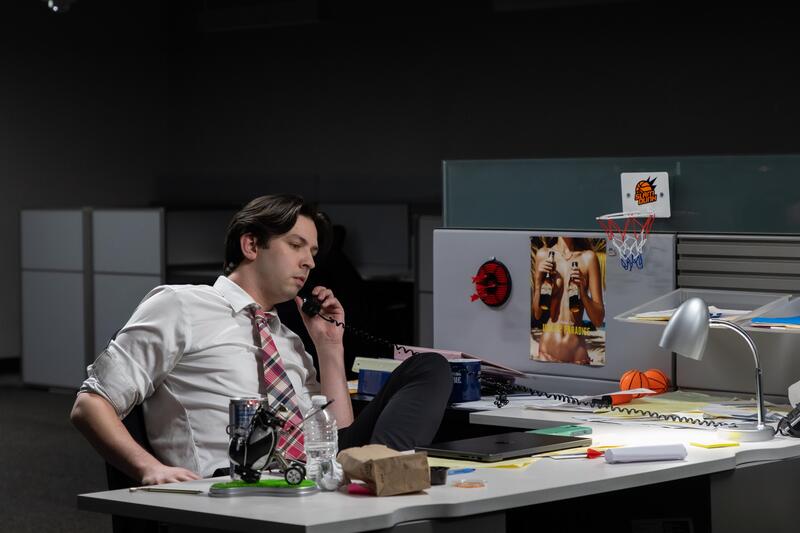
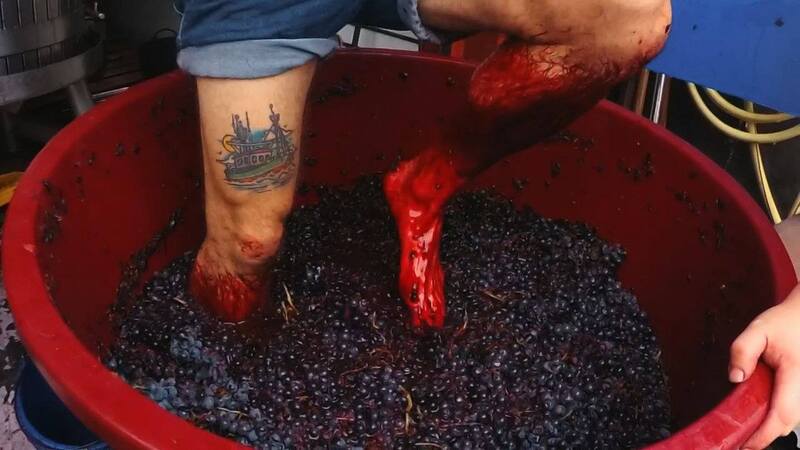
The entire idea behind STEAKOUT! runs on a joke that could easily collapse under its own weight. It’s a pun stretched into a full premise, all within the confines of an 8-minute runtime, and that’s usually where things fall apart. What’s surprising here is how committed the film is to seeing that idea through, not just as a gag, but as a structure that keeps building on itself.

When Opportunity Comes With a Cost

Eyelashes

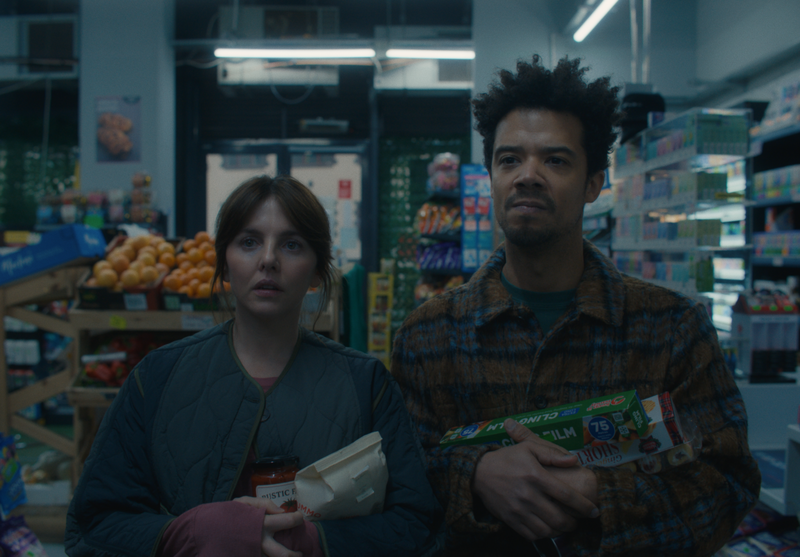
There’s a moment early on in EYELASHES where it becomes clear this isn’t interested in easing you into anything. The situation is already in motion, the stakes are already defined, and the character is already carrying the depth of a decision that doesn’t have an outcome that makes everything better. That gives the film its spine. It doesn’t waste time constructing anxiety. It starts from within it.

Family, Identity, and the Cost of Silence

The Birthday Gift

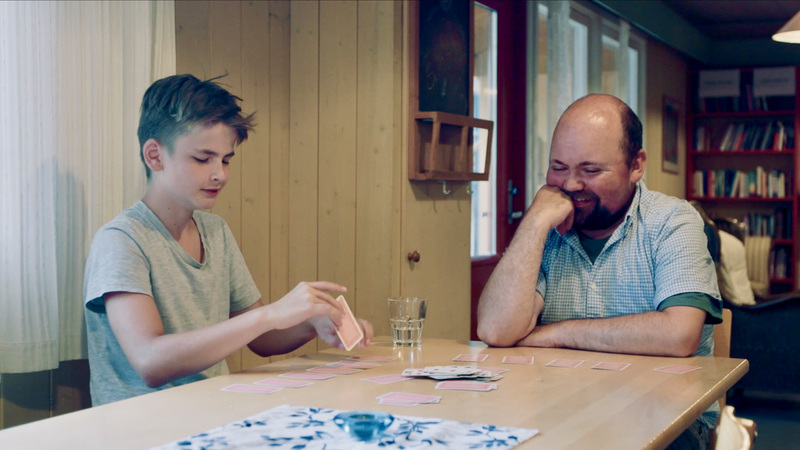
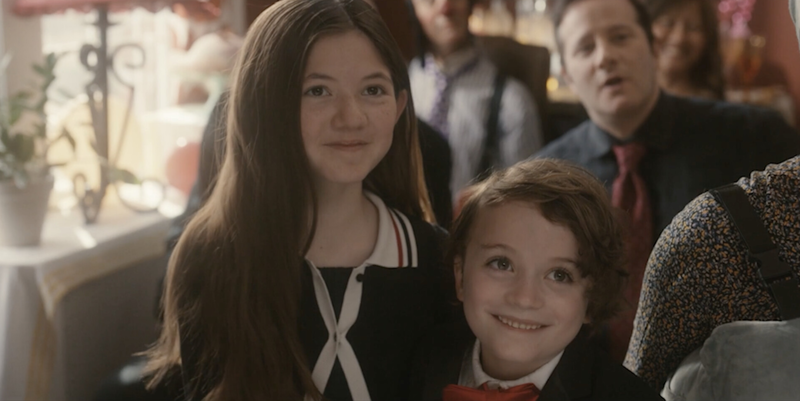
THE BIRTHDAY GIFT doesn’t feel like a short film trying to tell a complete story; it feels like a moment that’s been pulled out of something much larger, something personal and devastating. In just 16 minutes, it isn’t chasing complexity or scale, it’s chasing truth. And what makes it work is how you can feel the intent behind every decision. This isn’t just about what happens at the table; it’s about what’s been lingering in that room long before anyone walked in.

Love, Loss, and a Cinnamon Roll

In Spite of Ourselves

Romantic comedies tend to focus on the thrill of falling in love. IN SPITE OF OURSELVES delivers the kind of premise that might lead viewers to assume they know exactly what kind of story they are about to watch. On the surface, it’s a relationship drama built around familiar emotional ideas. Yet what ultimately emerges is something more affecting than expected, a simple but deeply heartfelt film that lingers with you.

Pushing the Body to Understand the Heart

Road to L'Étape du Tour

Endurance stories often revolve around athletes chasing records, trophies, or glory. ROAD TO L’ÉTAPE DU TOUR takes a very different approach. Instead of focusing on competition, the film centers on a personal battle between fear and ambition. For its protagonist, the race isn’t about winning. It is about deciding whether to live life the way she wants, even when the future feels uncertain.

The Quiet Cost of Holding the Line

The Last Puestero

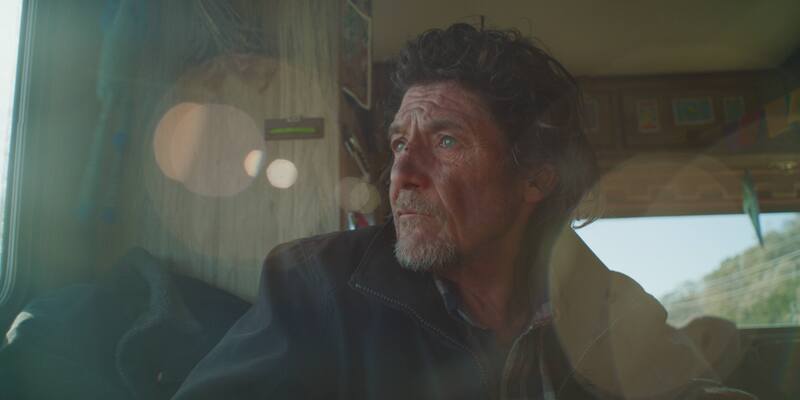
What happens when a way of life depends on being alone, but survival increasingly demands connection? THE LAST PUESTERO doesn’t try to frame that question as a philosophical exercise. It observes it unfolding in real time through the daily routines, silences, and contradictions embodied by Adonai Jara, a gaucho (a skilled, historically nomadic horseman and cattle herder of the South American pampas (grasslands)) stationed at a remote Patagonian outpost where tradition still holds, but only barely.

A Political Thriller Wearing a Ghost Story

The Hole, 309 Days to the Bloodiest Tragedy (Bolong, 309 hari sebelum tragedi berdarah)

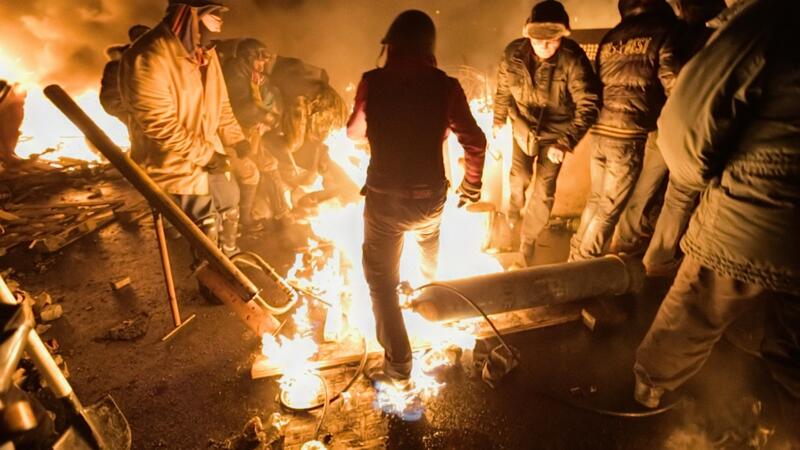
What happens when a nation explains its violence through myth instead of responsibility? THE HOLE, 309 DAYS TO THE BLOODIEST TRAGEDY doesn’t ask that question civilly. It drags it into the open, smears it with blood, and dares the audience to look away. Hanung Bramantyo’s film isn’t content to simply unsettle its audience; it wants to indict, and it understands that horror is often the most honest language for doing so.

A Film That Knows When to Hold Back

Fil-Am

What does it mean to be American when the definition keeps changing depending on where you stand, how you sound, and who gets to decide? FIL-AM starts with that issue quietly embedded in its bones rather than declared outright, and it trusts the audience to feel the tension long before it names it. Writer-director Ralph Torrefranca frames his short not as a thesis statement about Filipino American identity, but as a lived-in memory shaped by displacement, resentment, and reluctant adaptation.

Growing up Faster Than You Should

Home (Hjem)

What does it mean to owe your life to a sacrifice you never asked for? HOME explores that unspoken question and allows it to echo across decades, cultures, and roles without ever demanding an answer. Marijana Janković’s feature debut draws directly from lived experience, but it resists the trappings of autobiography as self-explanation. Instead, the film positions memory as something fragmented and unresolved, shaped as much by absence as by presence.

Animation As Emotional Translation

The Sounds of Things Ablaze (Le bruit des choses qui brûlent)

How does the body and soul carry the weight of war long after the fighting stops? THE SOUNDS OF THINGS ABLAZE answers that question not through detailed explanation, but through sensation. In just under seven minutes, Hayat Najm’s animated short captures the aftershocks of violence as something lived physically, instinctively, and involuntarily, transforming trauma into movement rather than memory.

When Belonging Becomes a Logistical Question

The Sounds of Things Ablaze (Le bruit des choses qui brûlent)

What does it mean to belong somewhere when even death refuses to make that decision simple? 2m² opens with a deceptively modest premise and steadily reveals itself as one of the more quietly disarming documentaries I’ve seen in some time, using a single profession to examine migration, identity, and the uneasy compromises that define life lived between cultures. There’s something about following along in a process that lets you see those final moments that will make you look at things differently. (‘How Much Land Does a Man Require?’ is the English title of an 1886 short story by Leo Tolstoy. In contemporary terms, the answer could be: 2m² – the size of a grave.)

The Intimacy of Testimony

In the Room

What does resistance look like when survival itself becomes a radical act? IN THE ROOM doesn’t approach that question through historical overview, but through presence, conversation, and an unflinching willingness to sit with discomfort. Directed by Brishkay Ahmed, the documentary brings together five Afghan women whose lives have been shaped by visibility, backlash, exile, and courage, not as symbols, but as people reckoning with what it means to speak when silence is safer.

An Anti-Procedural That Knows Exactly Why

Conrad & Crab – Idiotic Gems (Sainte-Marie-aux-Mines)

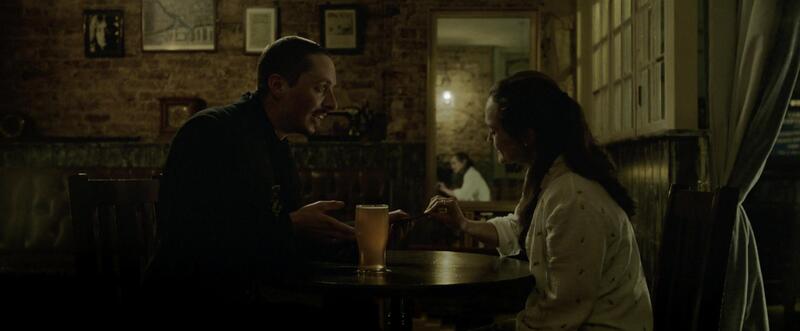
What happens when a crime story stops caring whether the crime is solved, or even whether it matters? CONRAD & CRAB – IDIOTIC GEMS opens with the promise of an investigation but dismantles it piece by piece, replacing that push with observation and paying off with patience. Claude Schmitz has no interest in building suspense in the traditional sense; instead, he’s far more invested in what happens when people drift through lives they’re no longer especially good at performing. This is an intentionally loud movie, and it works because it knows that it is.

Secrets Beneath the Surface

Diego Velázquez: A Body of Work

DIEGO VELÁZQUEZ: A BODY OF WORK takes a fascinating premise — the pursuit of a long-lost artistic masterpiece — and gives it a psychological twist, exploring how desire, obsession, and secrecy can blur the lines between admiration and fixation. Director Walter Ernest Haussner crafts a short drama that feels like a collision between art history and tension, reminding viewers that sometimes the most dangerous mysteries aren’t locked away in museums, but hidden in human behavior.

Creation That Lasts Beyond the Canvas

Artists That Inspire Future Generations: 10th Anniversary JCYMAP Program

ARTISTS THAT INSPIRE FUTURE GENERATIONS: 10TH ANNIVERSARY JCYMAP PROGRAM is a celebration of what happens when creativity is not only encouraged but invested in. This documentary showcases the Jersey City Mural Arts Program (JCYMAP) and the transformational experience it provides young artists, aged 13 to 25, as they learn to shape public space with their own visions. The film serves as both a milestone marker and a testament to the enduring impact of community-driven art.

Holding on When Everything Changes

Pretend I existed

PRETEND I EXISTED is a deeply personal short that understands how memory becomes its own kind of storytelling — fragmented, emotional, shaped as much by feeling as by facts. In just under six minutes, filmmaker Quoc Huy Tran reflects on his relationship with his mother during her cancer treatment in Japan, capturing the fragile space between fear and love that emerges when illness alters the roles of parent and child. It’s a film built on reflection rather than drama, and that restraint gives its core remarkable strength.