Chris Jones
Entertainment Editor
Chris Jones, from Washington, Illinois, is the Mail Entertainment Editor covering Movies, Television, Books, and Music topics. He is the owner, writer, and editor of Overly Honest Reviews.
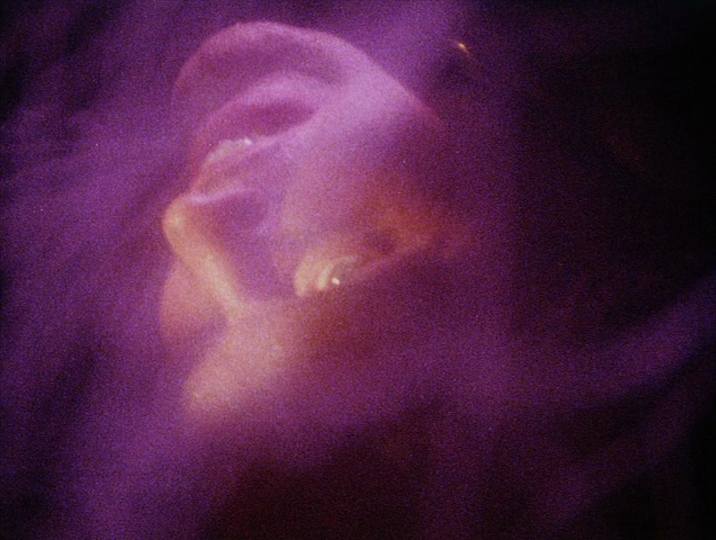
Otis already looks tired; MEETING YOUR MAKER only had to explain why. The weariness is there in his face, his posture, and the way he carries himself as he moves through a television studio, preparing to celebrate the 300th episode of the children’s show that made him a star. He’s a puppet surrounded by bright colors and manufactured happiness, but writer/director Gregory JM Kasunich doesn’t treat that as a joke. The funny part is that Otis is a puppet. The reason the movie works is that his exhaustion feels completely human.
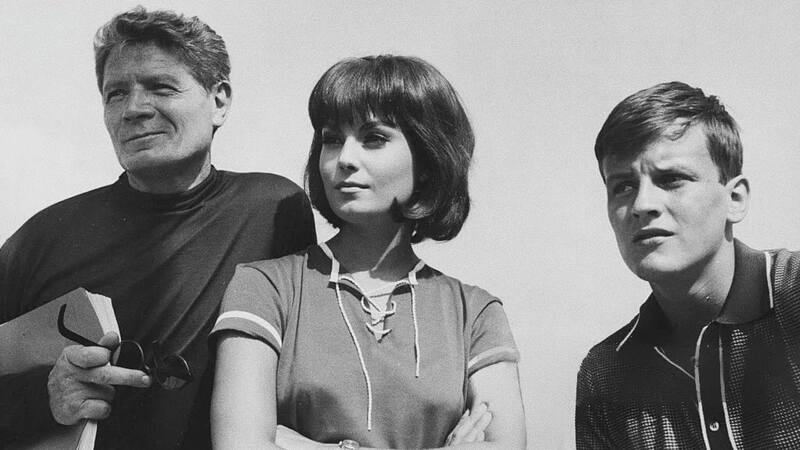
Thibaut and Jimmy didn’t just grow up apart. They grew up with access to entirely different versions of what life could offer them. One became a celebrated conductor traveling between orchestras, while the other works in a school cafeteria and spends his free time playing trombone with a community brass band in northern France. Directior/co-writer Emmanuel Courcol could have used that disparity for a story about long-lost brothers discovering that they’re more alike than anyone thought. THE MARCHING BAND is far more interested in the uncomfortable question that comes afterward. How much of the distance between them was ever their choice?
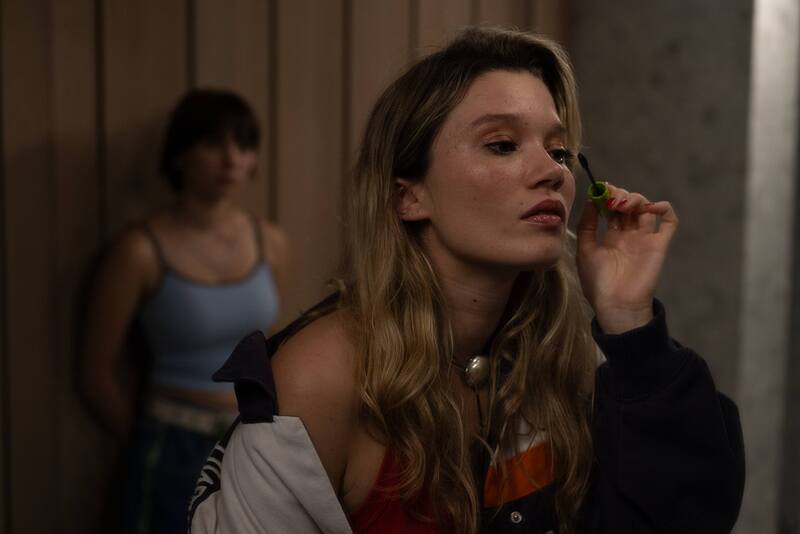
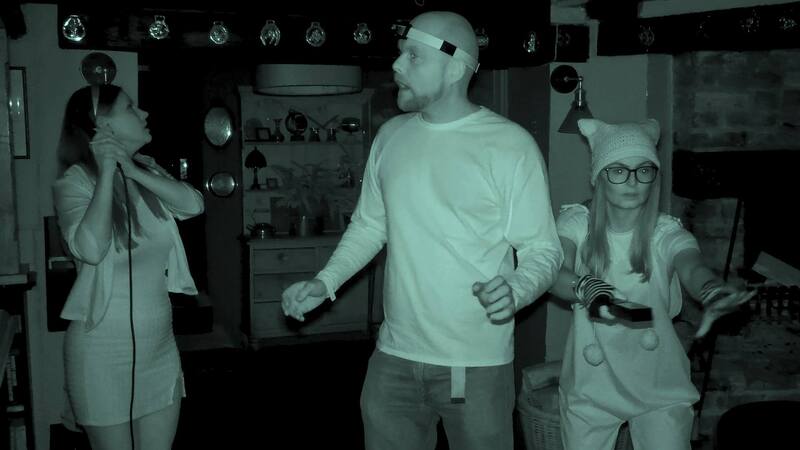
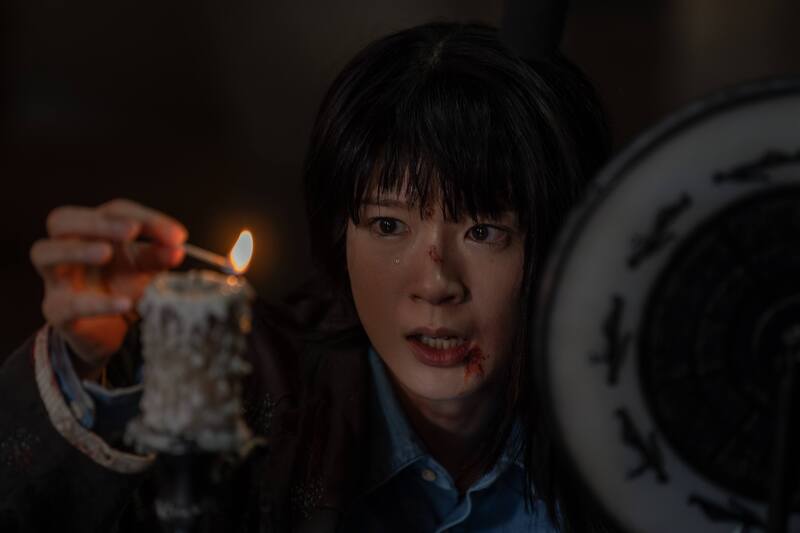
I wasn’t sure what to expect here; I intentionally avoided reading about the film because the premise sounded so intriguing. PENNY LANE IS DEAD understands that friendships never look as perfect from the inside as they do looking back on them. Penny, Toni, Amy, and Kat know exactly where one another’s weak spots are, which jokes will sting, and how quickly affection can turn into embarrassment or resentment. Writer/director Mia-kate Russell spends enough time inside that little ecosystem that when a prank pushes the night into something much more dangerous, the bloodshed feels like an escalation rather than a completely different movie.
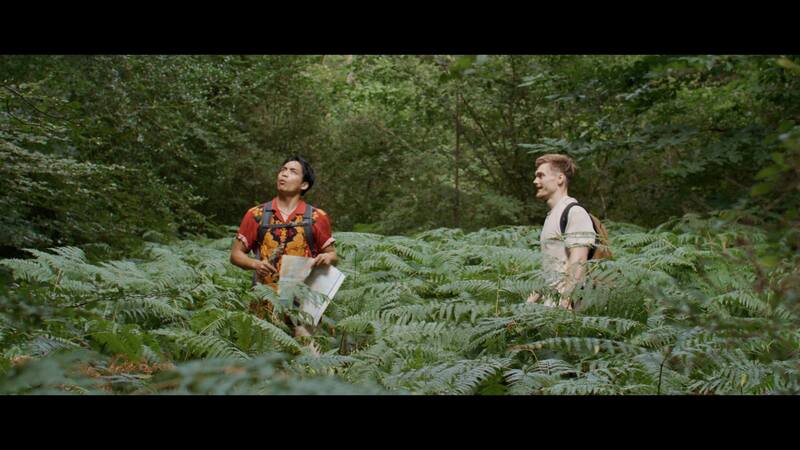
REAP THE WHIRLWIND: FOUR FILMS WITH ANGELA MAO works particularly well as a snapshot of Angela Mao at the beginning of her career and the rapid development that followed. THE ANGRY RIVER sees her in 1971, still settling into the screen presence that would soon make her one of Hong Kong action cinema’s defining stars, while THE HIMALAYAN arrives only five years later with Mao carrying herself with far greater confidence. That progression gives the collection an identity beyond just putting together four of her films, particularly as director Huang Feng repeatedly finds new settings, characters, and action styles through which Mao can demonstrate how quickly she was growing as a performer.
P.O. BOX TINTO BRASS is probably one of the clearest examples of what Tinto Brass wanted his erotic films to be by the mid-90s. There isn’t much interest in disguising his preferences behind an elaborate story, and the movie doesn’t pretend sex needs to lead toward tragedy, punishment, or some larger lesson. Brass plays himself, sits alongside his secretary Lucia as correspondence comes in from women describing their fantasies and experiences, and uses those letters as an excuse to wander through nine largely independent stories. It’s self-indulgent by design, sometimes ridiculously so, although that directness is also a large part of why it works.
THRESHOLD doesn’t begin with triumph; it begins with showing what proximity is. The film follows Jessie Diggins throughout a single World Cup season. It embeds its focus there, not as a highlight reel or a retrospective, but as a record of the daily pressure, physical demand, and psychological strain. From its opening stretch, the documentary makes clear it isn’t interested in building a myth or reframing success. It wants to see what happens when the mechanisms that once drove greatness begin to cause harm.
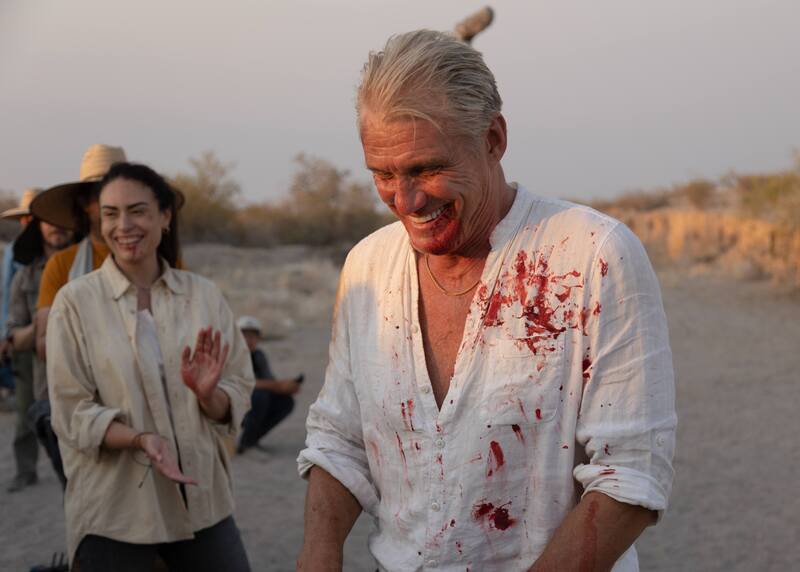
After the first few crime scenes, blood stops being something Jeff is horrified by. It ultimately becomes part of the workload, another mess to scrub, bag, and leave behind before the next call comes in. DEAD JANITORS CLUB succeeds from the exploration of that warped normalization, taking a profession most people would rather never think about and treating it like another lousy job occupied by people trying to make rent.
A room full of infected people suddenly behaving like a hive mind is more unnerving than watching a hundred of them run wild with their own goals in mind. COLONY understands that speed stopped being enough to make zombies frightening a long time ago. Director Yeon Sang-ho helped reshape expectations for the genre with SEOUL STATION, TRAIN TO BUSAN, PENNINSULA, and his return to the infected doesn’t try to repeat the same ideas. These creatures learn. They share information. Their behavior changes as a group, forcing the people trapped with them to reconsider every rule about survival as soon as they think they understand it.
Jennifer Seward is doing something a lot more difficult in SUPER HAPPY FUN CLOWN than just playing a killer in greasepaint. For extended spans, the most interesting thing happening is whatever she’s allowing us to see behind Jennifer’s eyes. Hurt sits there. Resentment does too. There’s embarrassment, exhaustion, and eventually something darker that she seems to understand long before anyone around her does. Director Patrick Rea’s movie may look like a killer-clown slasher, but the psychological breakdown underneath is what made me keep leaning in.
So I didn’t know what to expect going into this. I saw Rebel Wilson’s name and was intrigued enough to take the plunge without knowing any background. What I wasn’t expecting was a musical about a coming-of-age story. Taylah Simpkins and Maeve Barker can look at the same debutante ball and see completely different futures. Taylah sees a chance to finally be noticed in a town where she’s spent most of high school on the outside. Maeve sees an outdated ritual built around expectations she already decided she wants nothing to do with. THE DEB spends two hours pushing those cousins together until both discover that thinking you know who you are can be just another way of hiding.
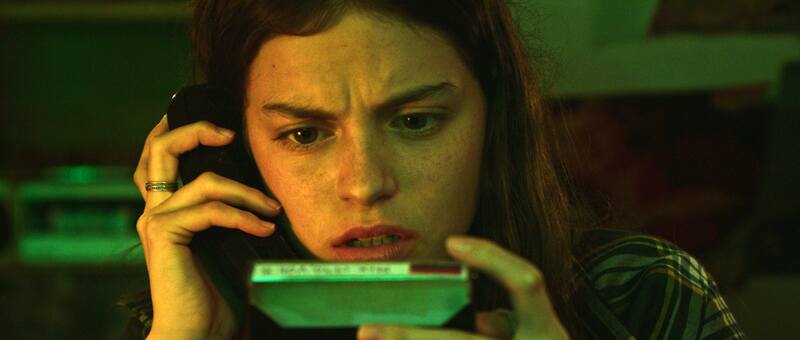
Michael knows that something happened before anyone tells him it did. His mother, Rosemary, comes home with a bruised face; the adults around him begin choosing their words more carefully; and questions that should have simple answers suddenly lead nowhere. At 12, he’s old enough to recognize when people are hiding something but not old enough to understand why they might believe silence is protecting him. IF I TELL YOU builds suspense inside that uncomfortable gap, letting Michael collect fragments of an adult situation he has neither the experience nor the vocabulary to put together. This film could easily have fit the bill for an ABC Afterschool Special; instead, director/co-writer Tessa Blake takes this story and adds a realism that creates a much deeper impact than I expected.
ARE YOU THERE GOD? IT'S ME, MARGARET. wasn't made with someone like me in mind, but that doesn't make its coming-of-age story any harder to appreciate. I really wish more people could understand that even when a movie isn’t made for them, it can still be enjoyable. Kelly Fremon Craig keeps everything pretty straightforward, allowing Margaret's worries about menstruation, boys, religion, and whether she's developing at the "right" pace to feel as important as they would to an 11-year-old living through them. What gives the film a little more reach is that Margaret isn't the only one trying to figure out what comes next. Her mother, Barbara, is learning that adulthood, marriage, and motherhood haven't provided all the answers, while her grandmother, Sylvia, is adjusting to a new stage of life without any intention of fading into the background. Each generation is facing its own version of uncertainty, and the film treats those experiences with the same warmth and understanding.
THE DOLLMAKER spends much of its first act making the town itself feel off, just something about it that doesn’t seem right. Tomás keeps mostly to himself, the local video store seems frozen in another time, and everyone around him continues with their daily routines even as women begin disappearing. Director/co-writer José María Cicala doesn’t push the community into the kind of panic you might expect, and that response becomes increasingly unsettling. There’s a normalcy to something that clearly isn’t normal, giving the movie an uneasy ambiance before it gives too many answers.
Laika (the first dog to orbit the Earth) has no idea what “tomorrow” means. LITTLE BUG makes that imbalance almost unbearable by placing us in her mind to an extent. She sees a man carrying the world on his shoulders, a daughter who doesn’t understand how her father can participate in what is about to happen, and a home offering the affection she has no reason to accept as a farewell. Matt Branston doesn’t need to show the launch to make Laika’s fate present in the story.
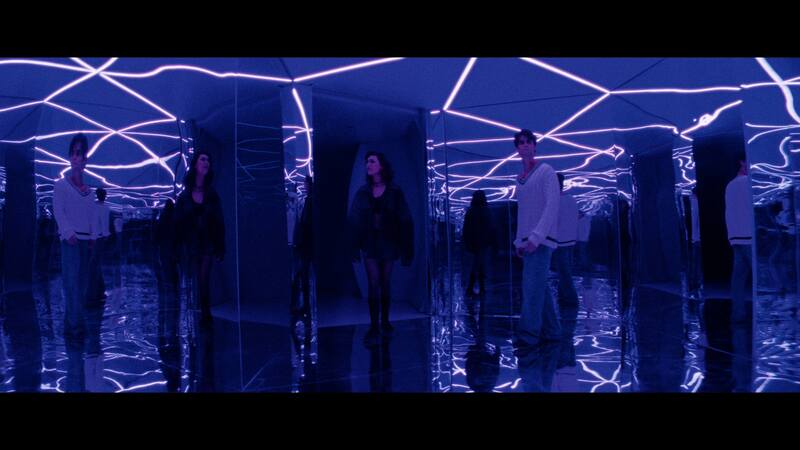
The rain in IDENTITY never seems to stop long enough for anyone to think through what’s happening. Water pounds the pavement, roads disappear, phones become useless, and a dilapidated Nevada motel gradually feels cut off from everything beyond its parking lot. James Mangold doesn’t need much time to turn bad weather into a trap. Once everyone gets there, the movie can get down to the considerably less pleasant business of determining who won’t be leaving.