
A Daughter’s Love Letter to Her Filmmaker Father
Read Time:6 Minute, 0 Second
MOVIE REVIEWS
The Time it Takes (Il tempo che ci vuole)
 –
– 

Genre: Drama, Biography
Year Released: 2024, Distrib Films DVD 2026
Runtime: 1h 50m
Director(s): Francesca Comencini
Writer(s): Francesca Comencini
Cast: Romana Maggiora Vergano, Fabrizio Gifuni, Anna Mangiocavallo
Where to Watch: available now, on DVD, order your copy here: www.icarusfilms.com or www.amazon.com
RAVING REVIEW: Some films are built around extravaganza, while others are built around memory. THE TIME IT TAKES belongs firmly to the second category. Directed by Francesca Comencini, the film is a deeply personal reflection on her relationship with her father, legendary Italian filmmaker Luigi Comencini. What could easily have become a sentimental tribute instead becomes something far more complex and intimate: a story about love, disappointment, reconciliation, and the emotional distance that can exist even within the closest families.
At its core, the film explores the bond between a father and daughter growing up in the shadow of cinema. Luigi Comencini, portrayed by Fabrizio Gifuni, is both a passionate filmmaker and an affectionate father, yet he remains emotionally elusive. To young Francesca, played as a child by Anna Mangiocavallo and later by Romana Maggiora Vergano, the film set becomes a place of wonder. Her father’s work, and particularly his adaptation of Pinocchio, turns the world of filmmaking into something magical. These early sequences are filled with warmth and fascination. A child wanders through sets, watching her father create worlds of imagination and physicality. Cinema becomes a playground, a place where reality blurs into fantasy. For a young girl growing up surrounded by cameras and costumes, the film industry feels like an extension of childhood itself.
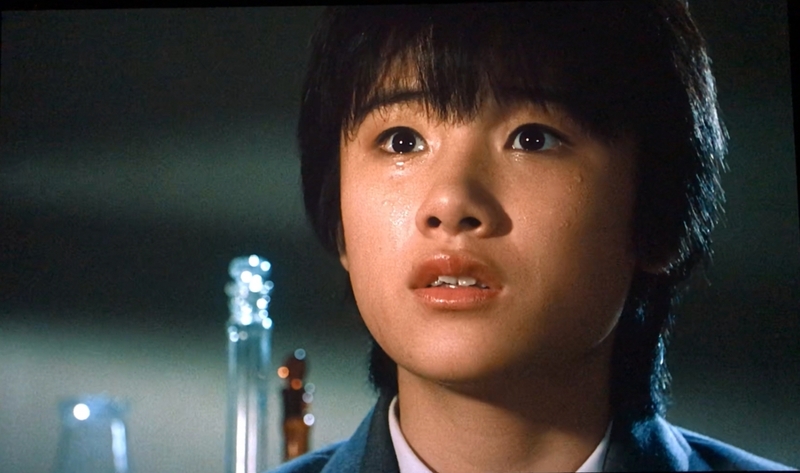
But the film never allows that magic to remain unaffected. As Francesca grows older, the enchantment begins to fade. Adolescence brings confusion, frustration, and a sense of emotional distance between father and daughter. The once-inspiring world of filmmaking starts to feel like something that pulls Luigi away rather than bringing them together. Romana Maggiora Vergano’s performance captures that shift beautifully. Her Francesca is no longer the child wandering through sets in awe. She’s a young woman struggling with identity and independence while carrying the complications of her father’s reputation. Vergano brings both vulnerability and subtle anger to the role, making Francesca’s descent into drug use feel less like rebellion and more like an attempt to escape the expectations surrounding her life.
Fabrizio Gifuni gives the film its sentimental backbone as Luigi. His portrayal avoids turning the character into either a saint or a villain. Instead, he plays Luigi as a man deeply devoted to his craft yet often unaware of how his work affects the people closest to him. His love for his daughter is clear, but so is his inability to fully understand her struggles. This complexity is where THE TIME IT TAKES finds its strength. The film never simplifies the relationship into an easy-to-process moment. Love and frustration coexist throughout the story. Misunderstandings follow moments of tenderness. The bond between father and daughter feels genuine because it contains both warmth and distance.
The film’s style reinforces its reflective tone. Comencini directs with restraint, avoiding flashiness in favor of quiet, observational storytelling. The cinematography often feels soft and nostalgic, as though the film itself is trying to reconstruct memories rather than present objective reality. That sense of memory is central to the structure. The story moves between different periods of Francesca’s life, allowing the audience to see how childhood admiration slowly transforms into something more complicated. Rather than presenting events as a strict timeline, the film flows like recollections resurfacing over time.
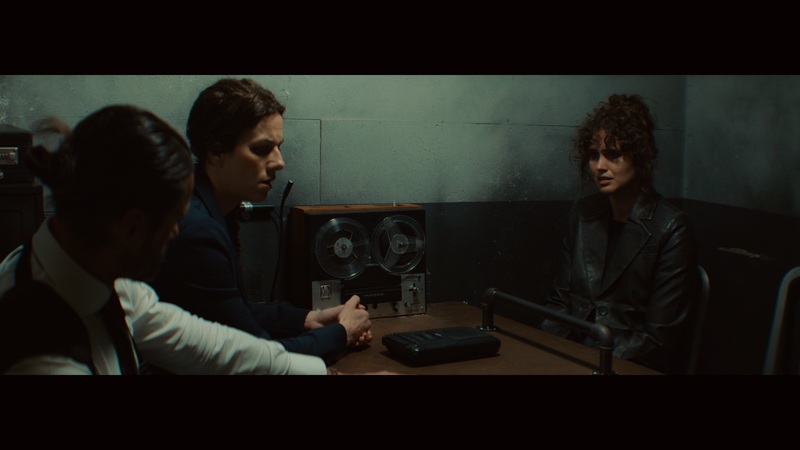
One of the most striking elements is how cinema itself becomes part of the story's language. Luigi’s work is never treated simply as background. Instead, filmmaking represents both the connection and the barrier between father and daughter. It’s the thing that brings them together in childhood and later creates distance between them. The Paris sequence, where Luigi attempts to reconnect with his struggling daughter, serves as the film’s turning point. Instead of a dramatic confrontation, the reconciliation unfolds through quiet moments of understanding. The film emphasizes patience rather than sudden transformation, suggesting that healing relationships often require time rather than grand gestures.
What makes THE TIME IT TAKES particularly compelling is how it blends personal memoir with reflection. Francesca Comencini isn’t simply telling a family story. She’s examining what it means to grow up inside a creative legacy and how art can both unite and complicate personal relationships. The film also carries an undercurrent of admiration for Italian cinema itself. Luigi Comencini was responsible for some of the country’s most beloved films, and the story reminds viewers how his work shaped both the industry and his daughter’s life. Yet the film never becomes just a tribute to film history. Its focus remains firmly on the emotional reality of family. That honesty is what ultimately defines THE TIME IT TAKES. The story doesn’t attempt to resolve every conflict or explain every feeling. Instead, it presents a portrait of a relationship that evolved, shaped by both love and misunderstanding.
In doing so, the film achieves something shockingly powerful. It shows how time changes how we see our parents, our childhood, and ourselves. Memories that once felt painful can become sources of understanding, and relationships that once seemed broken can slowly find their way toward reconciliation. THE TIME IT TAKES isn’t a loud or dramatic film. It unfolds delicately, inviting viewers to reflect on their own memories of family, growing up, and the complicated process of understanding the people who shaped their lives. By the end, the film feels less like a biography and more like a cinematic conversation between a daughter and her father. It’s an act of remembrance, an expression of gratitude, and a recognition that some bonds, no matter how strained, never truly disappear.
Please visit https://linktr.ee/overlyhonestr for more reviews.
You can follow me on Letterboxd, Instagram, Twitter, and YouTube. My social media accounts can also be found on most platforms by searching for 'Overly Honest Reviews'.
I’m always happy to hear from my readers; please don't hesitate to say hello or send me any questions about movies.
[photo courtesy of ICARUS FILMS, DISTRIB FILMS]
DISCLAIMER:
At Overly Honest Movie Reviews, we value honesty and transparency. Occasionally, we receive complimentary items for review, including DVDs, Blu-rays, CDs, Vinyl Records, Books, and more. We assure you that these arrangements do not influence our reviews, as we are committed to providing unbiased and sincere evaluations. We aim to help you make informed entertainment choices regardless of our relationship with distributors or producers.
Amazon Affiliate Links:
Additionally, this site contains Amazon affiliate links. If you purchase through these links, we may receive a commission. This affiliate arrangement does not affect our commitment to honest reviews and helps support our site. We appreciate your trust and support as you navigate these links.


Happy
0 %

Sad
0 %

Excited
0 %

Sleepy
0 %

Angry
0 %

Surprise
0 %
 0
0
 0
0

Average Rating