One of Cult Cinema’s Most Infamous Villains
Read Time:5 Minute, 42 Second
MOVIE REVIEWS
Ilsa, The Tigress of Siberia (Kino Cult #44) (4K UHD)
 –
– 

Genre: Exploitation, Cult, Thriller
Year Released: 1977, Kino Cult 4K 2026
Runtime: 1h 31m
Director(s): Jean LaFleur
Writer(s): Marven McGara
Cast: Dyanne Thorne, Michel Morin, Jean-Guy Latour, Howard Mauer
Where to Watch: available now, order your copy here: www.kinolorber.com or www.amazon.com
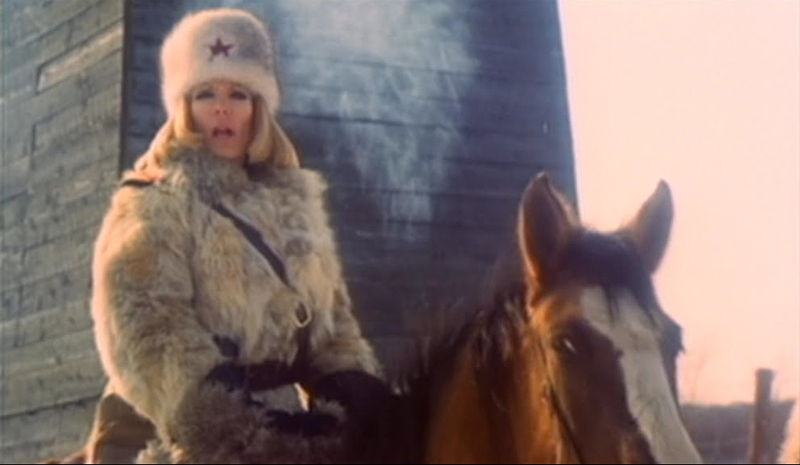
RAVING REVIEW: Few exploitation characters from the 70s carved out a reputation as outrageous or as instantly recognizable as Ilsa. Built around a villain whose cruelty, sexuality, and sadistic power defined the tone of an entire series, the character became one of grindhouse cinema’s most notorious antiheroes. ILSA, THE TIGRESS OF SIBERIA, is the final chapter in that strange legacy. This film doubles down on everything the franchise represents while pushing the absurdity to new levels.
The premise alone captures the series' unapologetic spirit. The film opens in the early 50s with Ilsa serving as the ruthless commandant of a Soviet gulag. Prisoners endure humiliating punishments and torture while Ilsa rules with an iron grip. The first half of the film plays within the familiar framework of women-in-prison exploitation cinema, emphasizing cruelty, domination, and sexual power dynamics that defined much of the genre during that era. That setup eventually leads to a dramatic shift. When Stalin dies, and the prison collapses into chaos, Ilsa disappears into the frozen wilderness. The story then jumps forward decades to Montreal in the late 70s, where Ilsa has reinvented herself as the madame of a high-end brothel. Her past returns to haunt her when a former prisoner, now connected to a Soviet hockey team visiting the city, recognizes the woman who once tortured him.
This pivot is one of the film’s most fascinating choices. It turns what begins as a bleak thriller into something closer to a revenge-driven crime story set amid Montreal's decadent nightlife. The transition is abrupt and messy, but that chaos is part of the film’s charm. Rather than building a smooth bridge between the two settings, the movie simply leaps forward and embraces the ridiculousness of its own premise. The result is a story that feels like two exploitation films stitched together. The first half thrives on brutal imagery and cruelty. The second half evolves into a bizarre mix of organized crime, revenge plotting, and eroticism. Logic often takes a backseat to shock value, but that unpredictability keeps the film moving.
At the center of everything is Dyanne Thorne, whose performance as Ilsa remains the franchise’s defining ingredient. Thorne doesn’t treat the material with restraint. She leans into the character’s exaggerated cruelty, delivering a performance that balances dominance, sexuality, and menace. Even when the script veers into outright absurdity, her commitment keeps the character strangely compelling. Ilsa herself functions less like a traditional antagonist and more like a symbolic figure within the exploitation genre. She represents unchecked power and sadism, a villain who exists specifically to provoke the audience through excess. Whether she’s tormenting prisoners in a Siberian labor camp or presiding over the debauchery of a Montreal brothel, the character thrives on spectacle.
The film’s tone reflects the grindhouse vibes that produced it. Dialogue is often blunt, confrontational, and occasionally laughably over-the-top. Violence is exaggerated, nudity is frequent, and moral depth is almost nonexistent. Yet these elements aren’t accidental. They’re part of a style designed to shock, amuse, and sometimes horrify audiences who came to exploitation cinema looking for experiences that mainstream films rarely offered. That sense of unfiltered excess defines much of the viewing experience. Torture sequences escalate, bizarre gadgets appear with little explanation, and characters behave with the kind of confidence that only exists in cult cinema.
The film’s willingness to embrace its own ridiculousness ultimately works in its favor. Rather than pretending to be something more sophisticated, ILSA, THE TIGRESS OF SIBERIA commits to the outrageous tone that made the series famous. The film knows exactly what kind of audience it is trying to entertain.
From a technical standpoint, the film reflects the limitations of its low-budget production. The cinematography is straightforward, the editing abrupt, and the pacing uneven. Yet those rough edges also contribute to the film’s cult appeal. One of the more interesting aspects of watching the film today is recognizing how differently audiences approach this kind of material. What once existed purely as provocation now functions as a time capsule of a particular era in genre filmmaking. For collectors and cult cinema enthusiasts, that historical context becomes part of the experience.
ILSA, THE TIGRESS OF SIBERIA isn’t a polished thriller or a carefully constructed drama. Instead, it is an unapologetic exploitation spectacle that embraces shock, sleaze, and absurdity with complete confidence. The narrative may wander, the tone may fluctuate, and the logic may occasionally disappear. Yet within that chaos lies the appeal that keeps cult audiences coming back for films like this. Dyanne Thorne’s fearless performance, the film’s premise, and its relentless commitment to excess create an experience that is impossible to confuse with anything else. For viewers willing to approach it with the right expectations, ILSA, THE TIGRESS OF SIBERIA offers exactly what its reputation promises. A bizarre, over-the-top slice of exploitation cinema that refuses to behave itself.
Product Extras:
Audio Commentary by Film Historians Jason Pichonsky and Paul Corupe
Alternate Footage Intended for a Less Explicit Television Version
Sidebar Conversation with Novelist and Critic Tim Lucas and Author, Artist, and Film Historian Stephen R. Bissette
Theatrical Trailer
Stills Gallery
Please visit https://linktr.ee/overlyhonestr for more reviews.
You can follow me on Letterboxd, Instagram, Twitter, and YouTube. My social media accounts can also be found on most platforms by searching for 'Overly Honest Reviews'.
I’m always happy to hear from my readers; please don't hesitate to say hello or send me any questions about movies.
[photo courtesy of KINO LORBER, KINO CULT]
DISCLAIMER:
At Overly Honest Movie Reviews, we value honesty and transparency. Occasionally, we receive complimentary items for review, including DVDs, Blu-rays, CDs, Vinyl Records, Books, and more. We assure you that these arrangements do not influence our reviews, as we are committed to providing unbiased and sincere evaluations. We aim to help you make informed entertainment choices regardless of our relationship with distributors or producers.
Amazon Affiliate Links:
Additionally, this site contains Amazon affiliate links. If you purchase through these links, we may receive a commission. This affiliate arrangement does not affect our commitment to honest reviews and helps support our site. We appreciate your trust and support as you navigate these links.


Happy
0 %

Sad
0 %

Excited
0 %

Sleepy
0 %

Angry
0 %

Surprise
0 %
 0
0
 0
0


Average Rating