
Addiction, Ego, Music, and a Night That Won’t End
Read Time:6 Minute, 16 Second
MOVIE REVIEW
Withdrawal
 –
– 

Genre: Drama
Year Released: 2025
Runtime: 1h 33m
Director(s): Aaron Strand
Writer(s): Aaron Strand
Cast: Millie Rose Evans, Brent Michal, Jeanne Heaton, Julian Green
Where to Watch: shown at the 2025 Art is Alive Film Festival
RAVING REVIEW: WITHDRAWAL doesn’t open with the kind of framing that tries to soften addiction into something cinematic. It drops us into the middle of a relationship that had long since become unsustainable, long before either character was ready to admit it. Two young lovers — a singer-songwriter with talent she can’t access and a boyfriend who mistakes loyalty for martyrdom — decide to kick heroin in the most chaotic way possible: alone, together, in a night full of pain they don’t have the tools to process. It’s a terrible plan, but the film understands why it feels like the only option they believe they have left.
Aaron Strand writes and directs the story from firsthand experience, not as a badge but as a responsibility. The film is rooted in what withdrawal actually looks like when it isn’t treated as a cinematic transformation. There’s no montage, no arc that makes suffering feel like a stepping stone toward a triumphant ending. WITHDRAWAL treats addiction as a physical and emotional condition happening second by second. In that environment, even the smallest movement feels like an achievement — getting out of bed, responding with honesty, resisting the impulse to hurt yourself or the person trying to help you.
Millie Rose Evans delivers a performance that conveys the film’s passion without reducing Viv to an archetype. She is talented — genuinely so — and that talent is the tragedy. The film never lets the audience forget that Viv’s music (which is genuinely incredible) is the dream her family supports and the thing that keeps her trapped inside their expectations. Evans plays Viv as someone who still has the instinct to protect other people’s feelings even while her body is shutting down. She keeps apologizing — not out of obligation, but out of a reflex rooted in the fear of disappointing everyone who once believed in her potential. That vulnerability builds the film: she is fighting withdrawal, but also the guilt of realizing the dreams people projected onto her now feel impossible.
Brent Michal gives Jay a raw entanglement that avoids glamorizing the “loyal partner in toxicity” trope. Jay isn’t a hero, and the film doesn’t try to rehabilitate his bad decisions through charm. His love is real, but his motivations are broken. He sees himself as the one person who will stay in the room when everyone else leaves. That belief gives him purpose, even if it also enables Viv’s habit. Michal plays Jay with a self-confidence that collapses the moment he’s forced to make a decision he’s not prepared for. The performance works because Jay isn’t trying to save Viv — he’s trying to save the version of himself that believes he can hold her together with affection alone.
Jeanne Heaton delivers an important grounding as Viv’s mother. She isn’t the symbol of “cold parents” trying to control their child’s behavior. Instead, she’s a woman who knows that love is not enough and that stability sometimes requires intervention. Her presence adds tension because she represents a world Viv is trying to escape — a life of treatment programs, clinics, and a future that won’t be hers unless she surrenders control. Julian Green’s portrayal of Caleb with a muted calmness contrasts with Jay’s volatility. Caleb doesn’t react to the situation with panic, which shows how addiction warps the scale of the people closest to it.
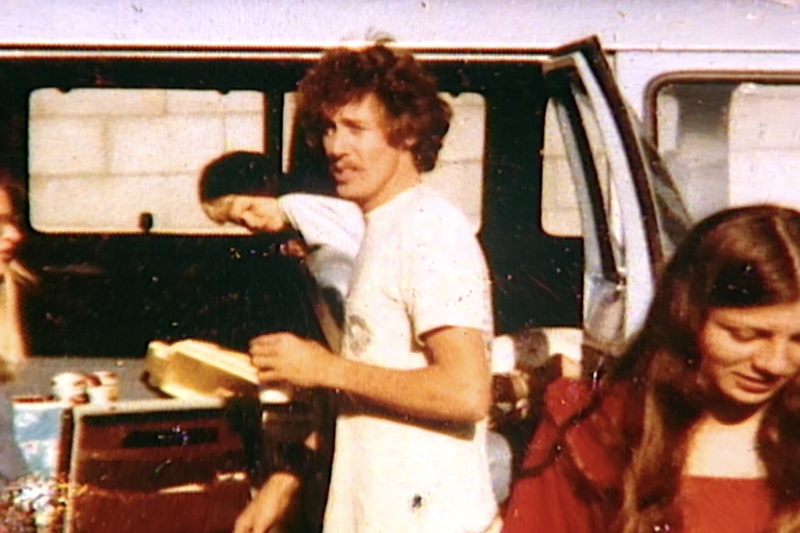
Strand blends formats — Mini DV, digital, and Super 16 — to build a texture that feels unstable but intentional. The different formats aren’t decorative. They reflect shifts in emotional presence. Moments of clarity are often cleaner, while scenes tied to withdrawal symptoms have a rough edge that’s difficult to settle inside. There’s a lived-in quality to the images — the apartments feel real, the streets feel familiar, the bodies feel broken. The intimacy isn’t created through close-ups; it’s created through perspective.
Instead of using jokes to undercut tension, it finds absurdity in the delusional logic of people trying to rationalize their addiction in real time—withdrawal strips away defenses. People become painfully honest, then ridiculous, and then terrified by their own vulnerability. Some scenes shock you with laughter—not because the comedy is inappropriate, but because the film understands how humor works within trauma. It stops panic from breaking the mind.
WITHDRAWAL feels personal without becoming self-centered. Strand’s lived experience is present, but it isn’t used to justify the characters. The film tries to humanize addiction without excusing it. The honesty comes from the specificity — the confusion, the bargaining, the guilt disguised as devotion. The result is a debut that understands why people stay together when the relationship has already fractured. Codependency isn’t romantic here. It’s a survival instinct formed from fear and love in equal measure.
WITHDRAWAL wants the audience to feel seen — even if they’ve never experienced this world. The empathy comes through clarity, not sentiment. Strand builds a film that treats addiction as something personal, not a talking point. The slow, painful, fragile moments that define this night aren’t meant to represent the entire epidemic. They represent the moment when two people finally run out of illusions. The film succeeds because it treats recovery honestly — as a terrifying decision made before a person has the strength to carry it out. It isn’t perfected, it isn’t comfortable, and it refuses to make healing look easy. The film earns its impact by staying present in the moments most stories skip. In doing so, Strand makes a debut that feels like the beginning — someone willing to tell stories about the parts of life that never look cinematic until someone chooses to show them.
Please visit https://linktr.ee/overlyhonestr for more reviews.
You can follow me on Letterboxd, Instagram, Twitter, and YouTube. My social media accounts can also be found on most platforms by searching for 'Overly Honest Reviews'.
I’m always happy to hear from my readers; please don't hesitate to say hello or send me any questions about movies.
[photo courtesy of STRANDED ENTERTAINMENT]
DISCLAIMER:
At Overly Honest Movie Reviews, we value honesty and transparency. Occasionally, we receive complimentary items for review, including DVDs, Blu-rays, CDs, Vinyl Records, Books, and more. We assure you that these arrangements do not influence our reviews, as we are committed to providing unbiased and sincere evaluations. We aim to help you make informed entertainment choices regardless of our relationship with distributors or producers.
Amazon Affiliate Links:
Additionally, this site contains Amazon affiliate links. If you purchase through these links, we may receive a commission. This affiliate arrangement does not affect our commitment to honest reviews and helps support our site. We appreciate your trust and support as you navigate these links.


Happy
0 %

Sad
0 %

Excited
0 %

Sleepy
0 %

Angry
0 %

Surprise
0 %
 0
0
 0
0


Average Rating