The Dark Side of Samurai Tradition
Read Time:5 Minute, 48 Second
MOVIE REVIEW
Cruel Tale of Bushido (Bushidô zankoku monogatari)
 –
– 

Genre: Historical Drama, Samurai, Action
Year Released: 1963, Eureka Entertainment Blu-ray 2026
Runtime: 2h 02m
Director(s): Tadashi Imai
Writer(s): Norio Nanjo, Naoyuki Suzuki, Yoshikata Yoda
Cast: Kinnosuke Nakamura, Eijirô Tôno, Kyôko Kishida, Masayuki Mori, Yoshiko Mita, Ineko Arima
Where to Watch: available now, order your copy here: www.eurekavideo.co.uk, www.mvdshop.com, or www.amazon.com
RAVING REVIEW: Samurai films have long occupied a vital place in Japanese cinema, often celebrating the ideals of loyalty, sacrifice, and honor that define the legendary code of bushido. Yet CRUEL TALE OF BUSHIDO, directed by Tadashi Imai, takes a dramatically different approach. Rather than glorifying the traditions of the samurai class, the film dismantles them piece by piece, presenting bushido not as a noble philosophy but as a rigid and often destructive system that demanded unquestioning obedience.
Released in 1963, the film arrives during a period when Japanese filmmakers were beginning to reassess narratives surrounding feudal society. Much like other revisionist samurai films of the era, CRUEL TALE OF BUSHIDO challenges romanticized depictions of the past by exposing the cruelty and suffering that often lie beneath the surface of samurai loyalty. The story develops through an unusual structure spanning more than three centuries. In the present day, a modern man named Iikura is struggling to cope after his fiancée attempts suicide. Searching for answers and distraction, he begins reading a collection of family records that chronicle his ancestors' lives.
What follows is a series of interconnected stories stretching back over 350 years. Each segment reveals the experiences of a different ancestor who served under the codes of feudal Japan. In every era, the same tragic pattern emerges, seeing men bound by the principles of bushido sacrifice everything, dignity, family, and sometimes their lives, in service to indifferent masters.
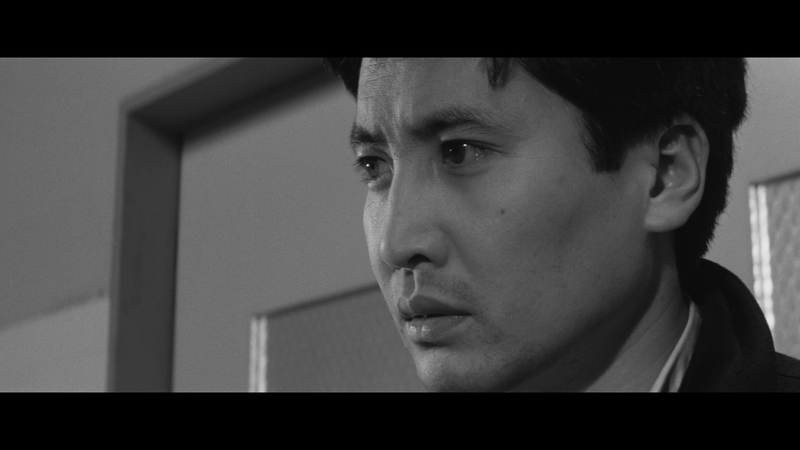
One of the film’s most impressive achievements is its use of actor Kinnosuke Nakamura in multiple roles. Nakamura portrays members of the same family across several generations, effectively embodying the recurring cycle of suffering that defines the story. His performances vary subtly with each character, reflecting how the same moral code continues to shape the lives of his descendants. Through these interconnected stories, the film gradually constructs a powerful critique of unquestioning loyalty. In traditional samurai narratives, devotion to one’s lord is portrayed as the highest form of virtue. Here, that devotion is shown to be deeply problematic. Characters repeatedly endure humiliation, exploitation, and injustice simply because the code of bushido demands obedience.
Tadashi Imai directs the film with a seriousness that emphasizes the tragic nature of these sacrifices. The stories are often brutal, depicting situations in which characters must betray loved ones, endure punishments, or destroy their own lives to maintain their honor. Rather than celebrating these acts as heroic, the film portrays them as deeply tragic consequences of an inflexible social system.
The film’s score plays an important role in shaping its emotional impact. Composer Toshiro Mayuzumi provides a foreboding musical backdrop that reinforces the sense of inevitability surrounding the characters’ fates. The music rarely romanticizes the events on screen; instead, it underscores the tragedy that unfolds across generations.
In the contemporary setting, loyalty to feudal lords has been replaced by loyalty to corporations and institutions. The same pressures that once compelled samurai to sacrifice themselves for their masters now appear in the expectations placed upon modern workers. By drawing this parallel, the film argues that the legacy of bushido continues to influence Japanese society long after the samurai themselves have vanished. This broader social critique gives the film a remarkable sense of relevance. Rather than presenting history as something distant and detached, CRUEL TALE OF BUSHIDO reveals how cultural traditions can persist in subtle ways across generations.
Despite its historical scope, the film maintains an intensely personal perspective. Each story focuses on individuals caught between their own humanity and the rigid demands of the system they serve. Their struggles form the emotional core of the narrative, allowing viewers to understand the devastating consequences of unwavering loyalty. While many films celebrate the heroic aspects of samurai culture, CRUEL TALE OF BUSHIDO refuses to romanticize it. Instead, it exposes the darker realities of a system built on hierarchy and obedience. This honesty gives the film its strength. By confronting the contradictions within the ideals of bushido, Tadashi Imai created one of the most thought-provoking historical dramas of its era.
CRUEL TALE OF BUSHIDO has gained recognition as one of the most important revisionist samurai films ever made. Its sweeping narrative, performances, and unflinching critique of tradition combine to create a film that is both historically insightful and emotionally devastating. For viewers interested in Japanese cinema, the film stands as an essential companion to other groundbreaking samurai dramas of the early 1960s. Together, these works helped redefine the genre by shifting the focus from romantic heroism to complexity and social critique.
CRUEL TALE OF BUSHIDO may not offer the triumphant victories often associated with samurai epics. Yet I would argue, its exploration of loyalty, sacrifice, and generational tragedy makes it one of the most compelling historical films of its time.
Bonus Materials:
Limited edition O-card slipcase featuring new artwork by Tony Stella
Limited edition collector’s booklet featuring new writing by Japanese cinema expert Hayley Scanlon
1080p HD presentation from a 4K restoration by Toei
Original Japanese mono audio
Optional DTS-HD MA 5,1 audio
Optional English subtitles, newly revised for this release
Telling a Cruel Tale – new interview with film critic Tony Rayns
Years of Honour – new video essay on Cruel Tale of Bushido and Japanese history by Jonathan Clements, author of A Brief History of Japan
Trailer
Please visit https://linktr.ee/overlyhonestr for more reviews.
You can follow me on Letterboxd, Instagram, Twitter, and YouTube. My social media accounts can also be found on most platforms by searching for 'Overly Honest Reviews'.
I’m always happy to hear from my readers; please don't hesitate to say hello or send me any questions about movies.
[photo courtesy of EUREKA ENTERTAINMENT, MVD ENTERTAINMENT]
DISCLAIMER:
At Overly Honest Movie Reviews, we value honesty and transparency. Occasionally, we receive complimentary items for review, including DVDs, Blu-rays, CDs, Vinyl Records, Books, and more. We assure you that these arrangements do not influence our reviews, as we are committed to providing unbiased and sincere evaluations. We aim to help you make informed entertainment choices regardless of our relationship with distributors or producers.
Amazon Affiliate Links:
Additionally, this site contains Amazon affiliate links. If you purchase through these links, we may receive a commission. This affiliate arrangement does not affect our commitment to honest reviews and helps support our site. We appreciate your trust and support as you navigate these links.


Happy
0 %

Sad
0 %

Excited
0 %

Sleepy
0 %

Angry
0 %

Surprise
0 %
 0
0
 0
0


Average Rating