Fear As a Physical Memory
Read Time:5 Minute, 33 Second
MOVIE REVIEW
The Phantom Pain
 –
– 


Genre: Drama, Thriller
Year Released: 2025
Runtime: 13m
Director(s): Maria Fe Picar
Writer(s): Norman Luce
Cast: Abel Consentino, Mary Ellen Wood
Where to Watch: shown at the 2025 Art is Alive Film Festival
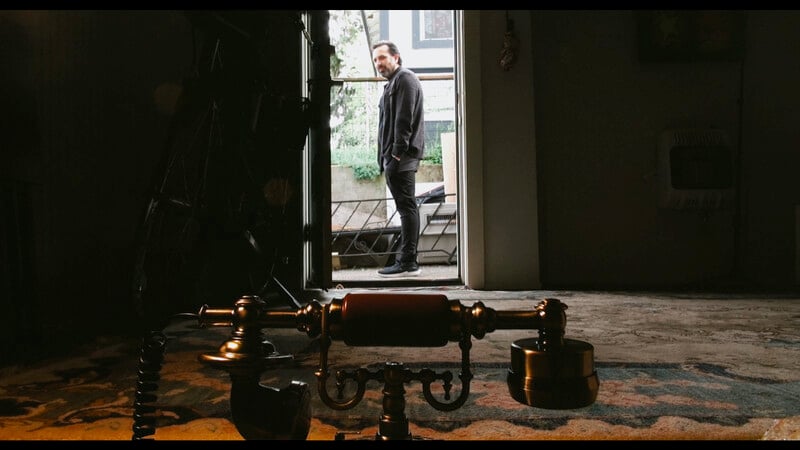
RAVING REVIEW: THE PHANTOM PAIN approaches addiction with a style that mirrors the internal state of its protagonist. Jack has decided to break his pill habit, only to find himself stalked by a voice that insists he isn’t finished with the drugs he’s trying to leave behind. The film uses a literal phone call as the physical manifestation of withdrawal, turning something internal and psychological into an external threat. Rather than lecturing the viewer on the dangers of addiction, it shows how a craving can impersonate reason — how temptation can speak in your own voice.
The title itself is a metaphor. A phantom pain is usually understood as the brain’s lingering sensation from a missing limb — the ghost of the body insisting something is still there. The film transposes that experience onto addiction, suggesting that even when the pills are gone, the body still reaches for them. The call Jack receives functions like that neural glitch. It’s the mind creating pressure to fill a gap it doesn’t understand how to live with.
Where many shorts about addiction lean on emotional testimonies or dramatic relapse scenes, this one stays locked inside Jack’s isolation. The conflict is not between him and other people, but between him and the voice that wants him to return to old habits. That choice gives the film a claustrophobic quality. Even when another character is present, it still feels like Jack is alone. His world has been reduced to one choice — pick up the phone or ignore it.
For a film made with a $300 production budget, it communicates its themes with clarity. Short, tight visual ideas take the place of production scale. Jack’s environment feels stripped down to the essentials, which reinforces the tension between what he wants and what he fears he will do. The lack of unnecessary set dressing is a strength. It shifts the focus to Abel Consentino’s performance, which carries the film. His portrayal of Jack is subdued rather than explosive. He doesn’t play withdrawal as a violent breakdown; he plays it as sustained panic — the kind you manage instead of express.
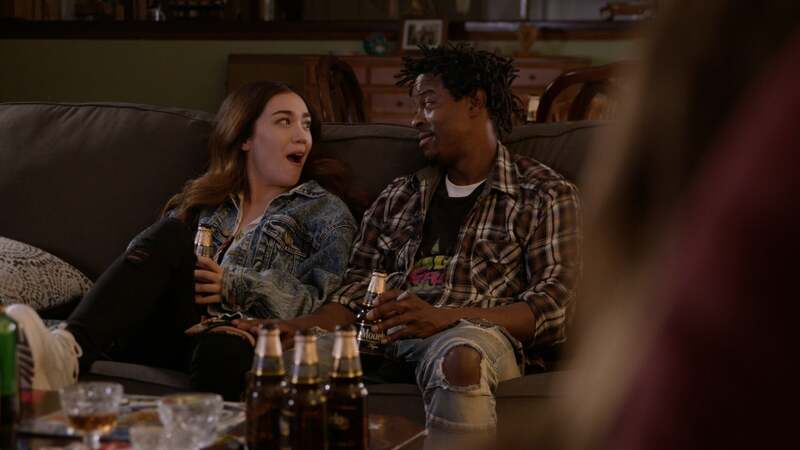
Mary Ellen Wood functions as a counterweight to that struggle. She doesn’t exist to save Jack or shoulder his arc. Instead, she represents an external reality that Jack could return to if he survives the pressure. Her presence is minimal, but it matters. Addiction stories often overemphasize either enablers or saviors, but THE PHANTOM PAIN resists those patterns. The film’s focus stays with Jack’s private war, allowing the viewer to experience his fear without moral commentary.
Addiction narratives often struggle with scope — too short, and they feel truncated; too long, and they get lost in suffering without resolution. Here, the format allows the film to illustrate a specific aspect of the experience rather than portray a complete arc. The story covers the moment when withdrawal feels like an enemy wearing your own skin. It’s narrow but focused. It doesn’t try to solve the topic of addiction. It shows one fight, one day, one decision.
The film’s stylistic restraint is also its limitation. By framing Jack so tightly, the narrative avoids context that could deepen the emotion. We don’t know how he arrived here, how long he has struggled, or what the consequences of relapse would be. Some viewers may want more context to better understand his fight. The film's minimalism, which grounds it, also limits its ability to explore the longer arc of recovery. The voice on the phone is a clever device, but the film stops short of exploring what happens after the call ends.
Addiction isn’t romanticized, judged, or framed through suffering for suffering’s sake. It is treated as a reflex — not a moral failure. The voice that tempts Jack isn’t charismatic or monstrous. It is desperate. It wants what Jack used to like, which is what makes it terrifying. The film understands that craving doesn’t feel dramatic. It feels logical. The scariest part of addiction is that it tries to convince you that returning to harm is a self-rescue.
Maria Fe Picar directs with a sense of control that reflects her work across projects centered on psychological tension and social themes. Even on a microbudget, her choices emphasize atmosphere over exposition. The collaboration with Norman Luce gives the short a focus. He writes the premise like a pressure chamber — remove every distraction until only the craving remains. Together, they create a story that avoids broad strokes. It communicates its thesis through a single metaphor and trusts the audience to understand.
THE PHANTOM PAIN is a small film filled with tension. It doesn’t attempt to be a grand commentary on addiction. Instead, it highlights the moment where recovery feels like a threat rather than a victory. It shows the brain learning to exist without a chemical shortcut, and the fear that comes with that learning. The final result is a short that lingers beyond its runtime — not because it shocks, but because it understands how quiet the danger can be.
Please visit https://linktr.ee/overlyhonestr for more reviews.
You can follow me on Letterboxd, Instagram, Twitter, and YouTube. My social media accounts can also be found on most platforms by searching for 'Overly Honest Reviews'.
I’m always happy to hear from my readers; please don't hesitate to say hello or send me any questions about movies.
DISCLAIMER:
At Overly Honest Movie Reviews, we value honesty and transparency. Occasionally, we receive complimentary items for review, including DVDs, Blu-rays, CDs, Vinyl Records, Books, and more. We assure you that these arrangements do not influence our reviews, as we are committed to providing unbiased and sincere evaluations. We aim to help you make informed entertainment choices regardless of our relationship with distributors or producers.
Amazon Affiliate Links:
Additionally, this site contains Amazon affiliate links. If you purchase through these links, we may receive a commission. This affiliate arrangement does not affect our commitment to honest reviews and helps support our site. We appreciate your trust and support as you navigate these links.


Happy
0 %

Sad
0 %

Excited
0 %

Sleepy
0 %

Angry
0 %

Surprise
0 %
 0
0
 0
0

Average Rating