
Fighting for Another Chance at Healing
Read Time:7 Minute, 23 Second
MOVIE REVIEW
More Than Medicine: The Rise of Psychedelic Therapy
 –


Genre: Documentary
Year Released: 2026
Runtime: 1h 31m
Director(s): Kerthy Fix, Paul Kloss
Where to Watch: shown at the 2026 Woodstock Film Festival
RAVING REVIEW: For people living with PTSD, depression, and other mental health conditions, finding effective treatment can be an exhausting process, particularly when conventional approaches haven't provided the relief they need. Imagine learning that another treatment shows promise, only to discover that accessing it remains tangled in government regulations, longstanding stigma, and an uncertain medical future. MORE THAN MEDICINE: THE RISE OF PSYCHEDELIC THERAPY examines that frustration through the people working to bring psychedelic-assisted therapy into mainstream healthcare, asking why we're still so reluctant to explore alternatives when so many people desperately need help.
Directors Kerthy Fix and Paul Kloss spent eight years developing their documentary, filming across five states and following practitioners whose professional futures are tied to an emerging field of mental healthcare. Rather than revisiting the recreational drug culture typically associated with psychedelics, they concentrate on therapists and facilitators working to establish these substances as legitimate treatment options. Their subjects aren't simply advocating for wider acceptance; they're investing their careers in learning how these treatments work, how to administer them responsibly, and how to make them accessible to people who might benefit.
Featured are Sarko Gergerian, Rebecca Martinez, Carol Gilson, Courtney Watson, and Angie Leek, each approaching the subject through different professional and personal experiences. Gergerian, a police officer and therapist, provides one of the documentary's more interesting perspectives. Considering the relationship between American law enforcement and the country's decades-long War on Drugs, seeing someone within that profession advocate for psychedelic research challenges some familiar assumptions. His interest in helping first responders struggling with trauma also brings attention to a community where seeking mental healthcare can carry its own stigma.
The film benefits from spending time with people who understand that psychedelic-assisted therapy involves considerably more than giving someone a substance and hoping their problems disappear; preparation, professional supervision, appropriate treatment settings, and continued therapeutic support all matter. The relationship between patient and practitioner is an essential part of the process, and following people trained to provide that care helps separate legitimate medical investigation from the exaggerated claims that frequently surround psychedelics.
I appreciated that distinction because public conversations about these substances have bounced between enthusiasm and outright dismissal for years. Some advocates have treated psychedelics almost like miracle treatments, while opponents remain unwilling to look beyond their association with illegal drugs. Neither attitude does much for someone who has already spent years searching for effective mental healthcare. These people deserve serious research, informed medical guidance, and the chance to consider additional options without having their circumstances reduced to another argument about drugs.
The documentary's lengthy production becomes even more meaningful when the future its participants have been preparing for encounters an unexpected setback. In August 2024, the Food and Drug Administration declined to approve Lykos Therapeutics' application involving MDMA-assisted treatment for PTSD, requesting an additional Phase 3 clinical trial to establish further evidence of safety and effectiveness. For professionals anticipating a major advancement in psychedelic medicine, the decision introduced another round of uncertainty into an already complicated process.
Fix and Kloss spent years documenting a developing movement, only to confront the possibility that its anticipated progress wouldn't arrive as expected. That development also shifted the film's direction, giving the regulatory discussion more importance than it might otherwise have received. Instead of presenting a straightforward account of an emerging treatment gaining acceptance, MORE THAN MEDICINE finds its subjects dealing with the consequences of scientific progress that hasn't translated into the approval they hoped to see.
Of course, the FDA's decision deserves more consideration than simply treating it as another example of government resistance. Concerns surrounding the submitted research included questions about trial methodology, potential bias, the reliability of safety reporting, and whether the available evidence adequately established lasting benefits. These aren't insignificant technicalities, especially when dealing with vulnerable patients and treatments that require considerable trust between those receiving them and those administering them. Regulatory approval needs to mean something, even when the treatment being evaluated has produced encouraging results.
This is where I would've liked the documentary to spend more time examining the concerns raised by skeptical researchers and medical professionals. Its commitment to the practitioners pursuing psychedelic-assisted therapy is understandable. A deeper examination of informed consent, inconsistent treatment standards, and the difficulties of conducting masked trials would've strengthened its argument. There's a difference between questioning whether these treatments deserve further investigation and questioning whether a particular application has adequately demonstrated its safety and effectiveness. Exploring that distinction doesn't weaken the case for psychedelic medicine; it helps establish why responsible research is so important.
The film also raises an important consideration about accessibility as these treatments move toward mainstream healthcare. Clinical research, specialized training, regulatory approval, and professional oversight require resources, but what happens when an approved treatment becomes too expensive for the people who need it? Access isn't simply about making something legally available. Patients still have to find qualified practitioners, navigate healthcare systems, and may face costs that put meaningful treatment out of reach. For a documentary built around expanding mental healthcare, that concern deserves attention alongside the scientific developments.
What I found most worthwhile about MORE THAN MEDICINE was its commitment to keeping the people involved from disappearing beneath the surrounding debate. The practitioners aren't presented simply as representatives of a controversial movement. They're professionals whose experiences have convinced them that existing treatment options aren't enough for everyone, and they're willing to take considerable personal and professional risks pursuing something different. Their individual perspectives give the documentary a human connection that statistics, medical reports, and institutional arguments can't provide on their own.
Fix and Kloss are also open about wanting their documentary to encourage a wider conversation. Their plans to bring the film before healthcare professionals, lawmakers, educational institutions, and law enforcement communities show their interest extends beyond documenting an emerging medical field. MORE THAN MEDICINE certainly has an advocacy-oriented perspective, but recognizing that doesn't make the questions it raises any less worthwhile. Its strongest material encourages people to examine their assumptions rather than letting decades of cultural baggage determine which medical research deserves consideration.
Following its world premiere at the 2026 Woodstock Film Festival, MORE THAN MEDICINE arrives at a time when discussions about effective mental healthcare deserve greater public attention. I don't believe supporting continued research into psychedelic-assisted therapy requires dismissing legitimate safety concerns, nor should demanding stronger evidence mean closing the door on approaches that could eventually benefit people who haven't found relief elsewhere. The professionals featured here are pursuing something they believe can make a difference, and their experiences make a persuasive case for allowing that work to continue under responsible medical supervision.
For someone still struggling with trauma after exhausting familiar treatment options, these discussions aren't abstract arguments about drug policy or pharmaceutical development. They concern the possibility of finding relief, receiving appropriate care, and getting some part of their life back. MORE THAN MEDICINE doesn't answer every question surrounding psychedelic-assisted therapy, but it makes a convincing argument for continuing to ask them. We've spent decades letting stigma shape the conversation. The people waiting for better mental healthcare deserve a discussion guided by credible evidence, compassion, and a willingness to investigate what might actually help.
Please visit https://linktr.ee/overlyhonestr for more reviews.
Follow me on Letterboxd, Instagram, Twitter, and YouTube. You can also find my social media accounts on most platforms by searching for 'Overly Honest Reviews'.
I’m always happy to hear from my readers; please don't hesitate to say hello or send me any movie questions.
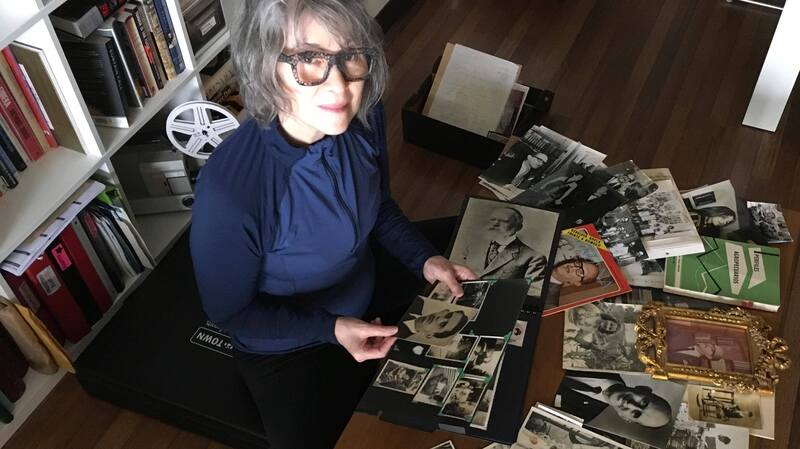
[photo courtesy of FIX FILMS]
DISCLAIMER:
At Overly Honest Movie Reviews, we value honesty and transparency. Occasionally, we receive complimentary items for review, including DVDs, Blu-rays, CDs, Vinyl Records, Books, and more. We assure you these arrangements do not influence our reviews, as we are committed to unbiased, sincere evaluations. We aim to help you make informed entertainment choices regardless of our relationship with distributors or producers.
Amazon Affiliate Links:
This site also contains Amazon affiliate links. If you purchase through these links, we may receive a commission. This affiliate arrangement does not affect our commitment to honest reviews and helps support our site. We appreciate your trust and support as you navigate these links.


Happy
0 %

Sad
0 %

Excited
0 %

Sleepy
0 %

Angry
0 %

Surprise
0 %
 0
 0

Average Rating