The Real Horror Is Being Human
Read Time:10 Minute, 9 Second
MOVIE REVIEW
Trauma or, Monsters All
 –


Genre: Horror, Thriller, Drama
Year Released: 2026
Runtime: 1h 59m
Director(s): Larry Fessenden
Writer(s): Larry Fessenden
Cast: Laëtitia Hollard, Aitana Doyle, Addison Timlin, Alex Hurt, Alex Breaux, Larry Fessenden, John Speredakos, Marc Senter, Micheál Neeson, Joshua Leonard, Barbara Crampton, James Le Gros, Marshall Bell
Where to Watch: released in theaters November 4, 2026, with an opening at the IFC Center in New York, followed by a Los Angeles opening at Lumiere Music Hall and additional markets
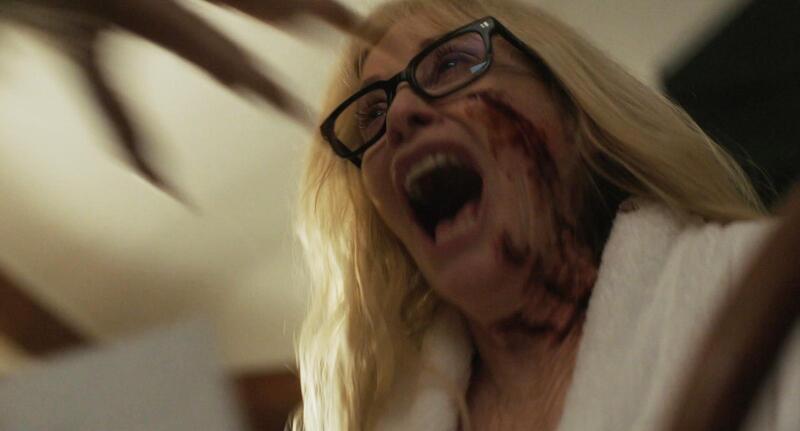
RAVING REVIEW: Larry Fessenden has spent decades making horror movies that Hollywood forgets about whenever someone decides monsters need another makeover. His creatures aren't interested in conquering the world, destroying cities, or building toward the next confrontation. They're usually struggling to understand their own existence, often making terrible decisions along the way. With TRAUMA OR, MONSTERS ALL, Fessenden brings three of his most recognizable creatures together, giving us something that feels more like a family reunion(?) than the typical crossover. Of course, when your family includes a vampire, a werewolf, and a Frankenstein-esque monster, things are bound to get complicated.
The film serves as the concluding chapter of a loosely connected series that began with HABIT, continued through DEPRAVED, and most recently explored lycanthropy in BLACKOUT. That's an unusual collection of films to bring together, especially considering the nearly thirty years separating the first and third entries. Fessenden isn't trying to compete with the interconnected universes that have become so common. His approach comes from a love of classic monster movies and a long-standing fascination with the people hiding beneath. The resulting crossover is ambitious, strange, sometimes funny, and concerned with how people treat anyone they see as different.
The story takes place in Talbot Falls, a small upstate New York community with its own issues. Cassandra (Laëtitia Hollard) arrives to write a book about George Washington Carver and takes a job at the local library alongside Agnes (Aitana Doyle). Her research eventually gives way to curiosity about the town itself, particularly its past and the circumstances surrounding some of its residents. When she writes an article questioning whether monsters might be living among the townspeople, the attention it draws creates more problems than she anticipated. For a community trying to move on, having a newcomer start asking questions doesn't exactly inspire a warm welcome.
Cassandra gives Fessenden a way to approach characters with complex histories. Rather than making the entire film about combining the three other films, he adds someone who doesn't know what she's walking into. Her position as a writer also adds an interesting snag. Journalism and research depend on uncovering information, but simply putting it in public view doesn't guarantee people will interpret it responsibly. A story can expose something while also encouraging speculation, resentment, and conclusions that bear little relation to the truth. Given how quickly information gets distorted once it starts circulating online, that concern needs little explanation. Her role lets the audience feel like a participant.
Hollard's Cassandra isn’t the traditional horror protagonist who stumbles into danger. Her interest in Talbot Falls raises questions about who gets to tell a community's story and how much responsibility that privilege entails. Even well-intentioned curiosity can have consequences when the people have no control over the narrative. That tension gives Cassandra a distinct relationship with the supernatural from the central figures in Fessenden's earlier monster films, where being an outsider was already established.
Agnes, played by Aitana Doyle, provides another viewpoint on the town and its residents. Unlike Cassandra, she already lives there, giving their friendship a different perspective. An outsider can approach history as a mystery worth investigating, while someone who lives with it has a more personal relationship with the same information. That distinction fits with Fessenden's interest in how people understand their neighbors, especially when fear and rumors begin to shape those relationships. The two characters also give the story a foundation that doesn't depend entirely on the audience's affection for monsters.
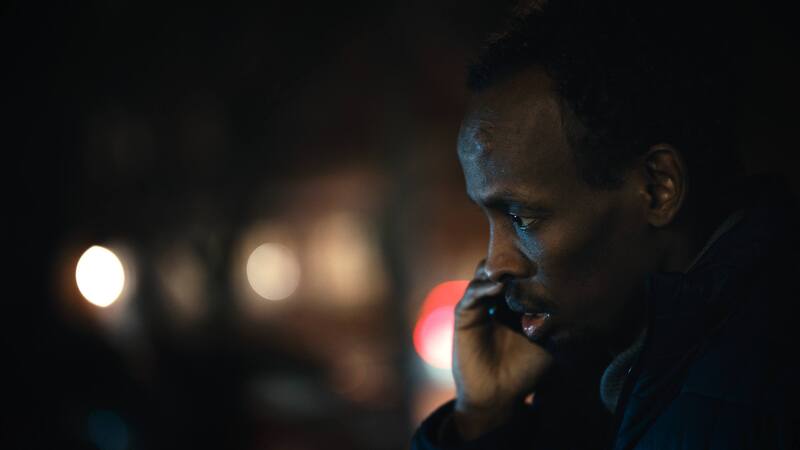
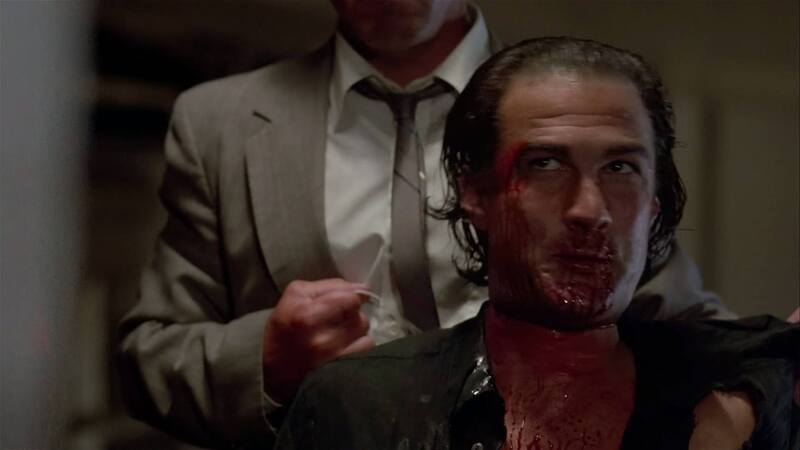
Those monsters may have a long history. HABIT introduced Sam, played by Fessenden himself, in a story that treated vampirism through the experiences of addiction, grief, isolation, and decaying relationships. Released as a true indie, the film approached the genre in new ways. It was far removed from the supernatural romances and action-heavy vampire productions that would later dominate pop culture. Fessenden explored the relationship between desire and self-destruction, leaving room for audiences to consider what Sam's experiences meant beyond their supernatural implications.
DEPRAVED introduced a different kind of suffering shown through the eyes of Adam, played by Alex Breaux. Drawing inspiration from Mary Shelley's FRANKENSTEIN, Fessenden reimagined the creation of life against a backdrop of medical experimentation, trauma, and corporate ambition. Its treatment of the creature emphasizes identity, memory, and the circumstances that shape how someone understands themselves. Adam's existence raises questions about responsibility, especially when the people creating life seem more interested in proving they can than in caring for it.
Then there's Charley Barrett (Alex Hurt), whose transformation into a werewolf in BLACKOUT introduced another variation on Fessenden's creations. The film explored addiction and the readiness to blame outsiders for violence. Its small-town setting provided a different atmosphere from the worlds of HABIT and DEPRAVED, but its concerns were connected to the same underlying problems. Charley's struggle involves both the reality of what he might become and the consequences of how others perceive him. By bringing these three characters together, TRAUMA OR, MONSTERS ALL connects these ideas that reach well beyond their origins in classic horror cinema.
For audiences familiar with the earlier films, seeing Sam, Adam, and Charley in the same story must feel rewarding. The characters represent three different approaches to the “monster,” each shaped by the concerns of the film that introduced them. That history lets the crossover do more than recognize familiar faces. Their circumstances let Fessenden examine whether the differences between these creatures matter as much as the similarities in how they've been treated.
TRAUMA OR, MONSTERS ALL never abandons the playful side of its influences. There's something inherently absurd about bringing together a vampire, a werewolf, and a Frankenstein-inspired creation in the same small American town and expecting everyone to behave normally. Fessenden isn’t the type of filmmaker who treats horror and humor as incompatible, and that awareness of how strange it all is comes through. The mix of mythology and social issues leaves room for comedy without turning the creatures into jokes.
Talbot Falls is a community shaped by experiences people would probably prefer to forget, and the attention threatens whatever sense of normalcy its residents had. Small towns in American horror often become places where suspicion spreads faster than information (ain’t that the truth), letting prejudice and personal grievances shape how people respond to unfamiliar threats. Fessenden uses that to address a society increasingly willing to divide itself into opposing groups. When everyone is convinced they already know who the monsters are, listening matters less than finding someone to blame.
The film's title also carries more than a supernatural reference. Trauma can influence relationships, shape a community, and affect people who weren't involved in the events that caused it. Fessenden's previous films have approached that through addiction, violence, isolation, and the loss of control over one's own body. Bringing those stories together lets the concept operate on several levels, from individual characters' experiences to the collective wounds of a community that hasn't adequately confronted its past.
At nearly two hours, the film has a lot to manage. Cassandra's investigation, Talbot Falls' history, the relationships among its residents, and the return of the established monsters all get attention. The structure also has to accommodate viewers seeing these characters for the first time while giving longtime Fessenden followers enough continuity to justify the crossover. That creates a lot of exposition, and the film's collection of ideas doesn't always leave room for each.
The ensemble reflects how connected Fessenden remains to the independent horror community. Addison Timlin, Barbara Crampton, James Le Gros, Joshua Leonard, John Speredakos, and Marc Senter are among the familiar collaborators who appear in the film. Their involvement adds something special, extending beyond the fictional characters to the actors and filmmakers who have contributed over the years.
Fessenden's affection for practical, handmade horror still shapes the film's identity. Independent productions have long depended on creative problem-solving, often turning limited resources into distinctive artistic choices. The difference is especially noticeable in a genre where digital effects overwhelm the mainstream. Bigger technical budgets don't automatically make a monster more interesting, and a convincing design means little when nothing compelling lies beneath it.
There's also a stubbornness to Fessenden making this film at all. The filmmaker has spent so much of his career working outside the mainstream, creating horror stories that prioritize obsessions over commercial appeal. Bringing back characters introduced over several decades and putting them together in one production is hardly the most conventional way to build a franchise. It reflects the freedom independent filmmaking can offer, along with the complications of pursuing such an individual project.
That personal investment matters even more given Fessenden's suggestion that this could be his final feature as a director. He's described the film as the culmination of his fascination with classic monsters. Whatever he decides, the film offers a fitting occasion to consider his contribution to independent horror. His influence extends beyond the movies he’s directed, reaching filmmakers, actors, and countless productions that benefited from his willingness to support work outside conventional industry expectations.
TRAUMA OR, MONSTERS ALL brings together decades of creative history, supernatural creatures, and a collection of current issues that are difficult to separate from the world outside the theater. Its ambitions occasionally stretch beyond what a single film can accommodate, but the project remains an unusual expression of Fessenden's interests. These monsters have never been just villains, and their shared story isn't interested in turning them into antiheroes either. They're damaged, complicated individuals living in a world that often finds it easier to condemn what it doesn't understand.
If this really is Larry Fessenden's last film, there's satisfaction in seeing him close this chapter with a vampire, a werewolf, and a Frankenstein creation instead of trying to impress the mainstream. After spending decades reminding audiences that monsters can be human, he's brought them together in a society that keeps giving them reasons to feel right at home.
Please visit https://linktr.ee/overlyhonestr for more reviews.
Follow me on Letterboxd, Instagram, Twitter, and YouTube. You can also find my social media accounts on most platforms by searching for 'Overly Honest Reviews'.
I’m always happy to hear from my readers; please don't hesitate to say hello or send me any movie questions.
[photo courtesy of DARK SKY FILMS, GLASS EYE PIX]
DISCLAIMER:
At Overly Honest Movie Reviews, we value honesty and transparency. Occasionally, we receive complimentary items for review, including DVDs, Blu-rays, CDs, Vinyl Records, Books, and more. We assure you these arrangements do not influence our reviews, as we are committed to unbiased, sincere evaluations. We aim to help you make informed entertainment choices regardless of our relationship with distributors or producers.
Amazon Affiliate Links:
This site also contains Amazon affiliate links. If you purchase through these links, we may receive a commission. This affiliate arrangement does not affect our commitment to honest reviews and helps support our site. We appreciate your trust and support as you navigate these links.


Happy
0 %

Sad
0 %

Excited
0 %

Sleepy
0 %

Angry
0 %

Surprise
0 %
 0
 0

Average Rating