
The Mob Wants Blood; the Film Wants Meaning
Read Time:5 Minute, 47 Second
MOVIE REVIEW
Kill the Jockey (El jockey)
 –
– 

Genre: Crime, Drama, Sport, Thriller
Year Released: 2024, 2025
Runtime: 1h 36m
Director(s): Luis Ortega
Writer(s): Luis Ortega, Fabian Casas, Rodolfo Palacios
Cast: Nahuel Pérez Biscayart, Úrsula Corberó, Daniel Giménez Cacho, Mariana Di Girolamo
Where to Watch: available December 16, 2025, pre-order your copy here: www.musicboxfilms.com
RAVING REVIEW: KILL THE JOCKEY feels like a film built of fragments of a nightmare that somehow reflect the logic of someone who no longer trusts reality. Luis Ortega structures the movie around a simple known truth: Remo was once good. He was a renowned jockey, admired, reckless, and so consumed by bad habits that talent couldn’t save him from becoming a liability. Everything that follows comes from that truth cracking open. The film begins in the world of debt, violence, and desperation, and by its final stretch, it becomes something symbolic rather than literal.
Remo, played by Nahuel Pérez Biscayart, is already half-dead before the accident that changes him. His lifestyle is a rolling spiral of stimulants, cheap alcohol, and impulsive choices. He is the kind of protagonist who doesn’t question his collapse because he never imagined a future beyond the track. When he’s thrown from the horse that was meant to pull him out of debt, he wakes up in a hospital, unaware that the story he was living in has already ended. The mob wants their money. His relationship with fellow jockey Abril is dissolving. The only path forward is the only option he can come to.
The shift the film takes at this point is its defining choice. Remo slips into a new identity, now presenting as Dolores, dressed in a mink coat and moving through Buenos Aires like someone both reborn and still haunted. Ortega doesn’t frame this transformation as a twist or a reveal—he treats it like a logical extension of Remo’s emotional collapse. In Remo’s mind, becoming someone else isn’t a disguise; it’s survival. The film becomes surreal without pausing to justify any change, and that’s both its greatest risk and the reason it doesn’t fully nail it.
As Dolores, Biscayart delivers a performance that doesn’t explain itself. There isn’t a speech about needing to escape masculinity, nor is there a philosophical monologue clarifying whether the identity shift is metaphor, expression, or something else. Biscayart portrays the transformation as someone walking away from Remo's damage, without telling the audience who Dolores plans to become. That ambiguity is what keeps the film compelling. It feels like a study of identity collapse without a roadmap.
Úrsula Corberó’s Abril functions as the mirror Remo doesn’t want to face. She is pregnant, driven, and refuses the future their situation demands. For her, racing is identity. Remo is a complication, not a partnership. That conflict creates an emotional pull, giving the first half of the film a clear focus. By the time Remo becomes Dolores, Abril has entered a world Remo no longer belongs to, and the shift between them signals that rebirth can happen alone.
Daniel Giménez Cacho, as Sirena, provides the clearest point of grounding. He is not a caricature of a mob boss—he is a businessman who survives through leverage, and Remo was his investment. His authority is framed without theatrics. The danger he represents is blunt, not operatic, which keeps the threat's reality present even as the film becomes abstract. His scenes are among the most effective because they reject surreal logic. Sirena wants a debt repaid, nothing more.
What will divide audiences is the film’s shift away from clarity. The second half features symbolic imagery: dancing sequences, mirror-like characters, unexplained visuals, and abrupt tonal shifts. Ortega is using surrealism to express something deeply internal, but the meaning never feels complete. Some scenes feel like they reference earlier moments, only without the continuity that makes symbolism resonate. It’s ambitious, but the density of metaphors eventually works against the film. The visuals are striking, but they don’t always connect to a coherent emotional arc.
What makes KILL THE JOCKEY connect is that it treats identity as something more. Remo doesn’t transform into Dolores to find empowerment. He becomes Dolores because Remo has exhausted every possibility. It isn’t a discovery—it’s abandonment. That approach avoids romanticizing the act and instead frames it as a desperate break from a life that can’t be survived. The film’s best stretch comes right after the transformation, when the audience isn’t sure if the world recognizes Dolores or if we’re seeing a subjective reality no one else shares. That uncertainty lingers long after the film ends.
The ambition behind Ortega’s film is undeniable, and the performances are what keep it grounded even when the logic evaporates. Biscayart, Corberó, and Cacho prevent the movie from collapsing into a pure exercise in surrealism. The film asks the audience to accept that Remo’s death might be metaphorical or literal, and that the truth isn’t the point. What matters is that Dolores walks forward, not because she is healed, but because Remo cannot.
KILL THE JOCKEY is uneven, but it stays memorable. The film has flashes of brilliance that reveal Ortega’s trust in visual storytelling and emotional abstraction. It feels like a film made with conviction rather than calculation. It resists easy interpretation, which is both why it succeeds in moments and why it falls short in others.
Please visit https://linktr.ee/overlyhonestr for more reviews.
You can follow me on Letterboxd, Instagram, Twitter, and YouTube. My social media accounts are also available on most platforms by searching for 'Overly Honest Reviews'.
I’m always happy to hear from my readers; please don't hesitate to say hello or send me any questions about movies.
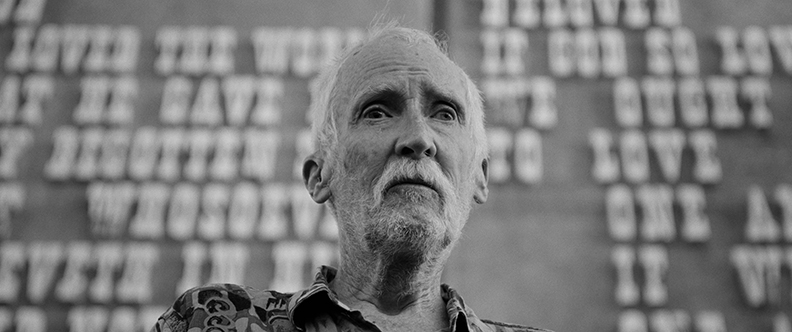
[photo courtesy of MUSIC BOX FILMS]
DISCLAIMER:
At Overly Honest Movie Reviews, we value honesty and transparency. Occasionally, we receive complimentary items for review, including DVDs, Blu-rays, CDs, Vinyl Records, Books, and more. We assure you that these arrangements do not influence our reviews; we are committed to providing unbiased, honest evaluations. We aim to help you make informed entertainment choices regardless of our relationship with distributors or producers.
Amazon Affiliate Links:
Additionally, this site contains Amazon affiliate links. If you purchase through these links, we may receive a commission. This affiliate arrangement does not affect our commitment to honest reviews and helps support our site. We appreciate your trust and support as we navigate these links.


Happy
0 %

Sad
0 %

Excited
0 %

Sleepy
0 %

Angry
0 %

Surprise
0 %
 0
0
 0
0


Average Rating