Vulnerability As Strength
Read Time:5 Minute, 23 Second
MOVIE REVIEWS
Siksikakowan: The Blackfoot Man
 –
– 

Genre: Documentary
Year Released: 2025
Runtime: 1h 17m
Director(s): Sinakson Trevor Solway
Where to Watch: shown at the 2026 Big Sky Documentary Film Festival
RAVING REVIEW: What does masculinity express itself as when nobody’s required to show it? SIKSIKAKOWAN: THE BLACKFOOT MAN answers this calmly and without making a big deal of it. The film doesn’t put forward a point or a central idea; instead, it leaves room. Room to look. Room to hear. Room to simply be, and not have to give reasons.
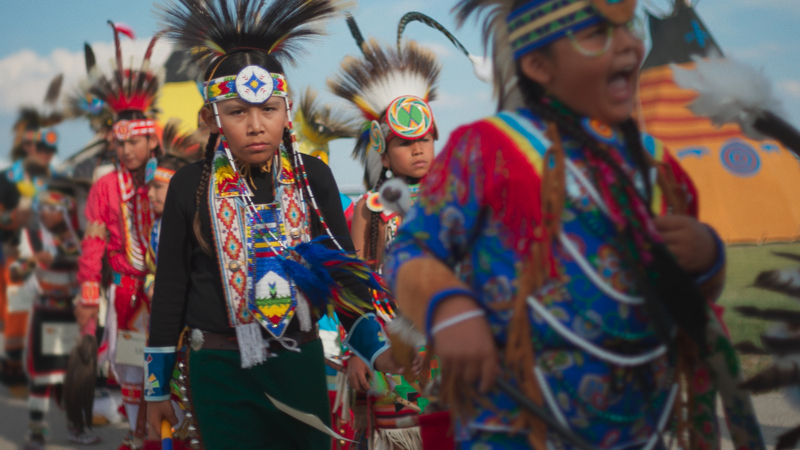
Directed, filmed, and sound recorded by Sinakson Trevor Solway, the documentary stems from the filmmaker’s connections to his people and to the men whose lives he documents. Being near them isn’t a theory here; you can see it in the way the camera sits and focuses on things, in how there’s no questioning of the faith in each shot. These aren’t people being studied, they’re people being seen. The film takes place in the prairies, in the everyday lives of Blackfoot men and boys from the Siksika Nation. Parents, children, and friends through jobs, families, rituals, and free time. A few talk about their lives. Others mostly don’t say much. Solway doesn’t think one way of showing things is better than another.
What sets SIKSIKAKOWAN apart from other documentaries about who people are is that it doesn't try to make things easy. It doesn’t attempt to define a single type of Native masculinity, and the film doesn’t try to “put right” wrong ideas through teaching. Instead, it lets things that don’t seem to go together coexist. The ‘truthful’ way the film is done is key to how good it is. Solway spent years filming by himself, and that closeness comes through. Things happen in their own way, without being changed or the story changing. Life goes on past what the camera can catch.
The film doesn’t stop to provide background on ritual, language, or customs for people who aren’t part of that culture; it doesn’t turn those things into ways to explain them quickly. Meaning can be there even if you don’t completely understand. A few things are revealed, but some are just shown. This choice makes a small, but really significant, change in how you see things. Instead of making viewers people who work things out, the film makes them people who see things. This way of doing things respects how Blackfoot stories are told: knowledge is something you experience, you have, and give to others by being there, not by explaining. The past isn’t separate from now, and who a person is isn’t something you have to set or finish. By not using either looking back with affection or disaster as the basis of the story, the film goes against the usual documentary style that relies on pain to show something is real. Being able to carry on is quiet, and it continues, within ordinary life, and isn’t raised to be a show. By not needing to show why its people exist or what they go through, SIKSIKAKOWAN lets respect be itself, whole, and without being stopped.
The way it’s filmed is really important; it’s not just to make it look good, but to give it a feeling. The prairie is big, but it’s never made to seem beautiful in a fake way. It’s a place people live, not something to stand for something else. Rooms look cosy, well-loved, and open. The camera is there but never overwhelming, and doesn’t force itself in. Sounds and music aren’t used a lot, so the sounds of the place, quietness,s and the natural beat of things can do most of the work of showing how things feel. When music is used, it seems right, linked to what the culture does, not to what the people making the film want to say.
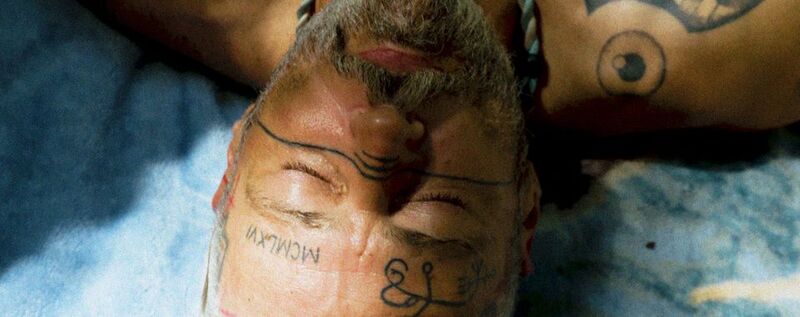
What really gets to you is how the film shows how people are easily hurt. It isn’t made into something special or something to show off. It just is. Men speak about being stressed, what’s expected of them, being sad, being pleased with themselves, and being with others, without being made to say sorry. Because there’s no voice-over, these moments have their effect on their own. There is a point the film makes, but it’s never said. By showing Blackfoot men as people with many sides to them, not as signs of something, SIKSIKAKOWAN breaks down the simple views of them that have been in the media for a long time.
SIKSIKAKOWAN: THE BLACKFOOT MAN seems a record created from within the people it portrays, not of them. Its force is from waiting, belief, and holding back. It doesn’t want you to get it at once; it wants you to sit with it. In a world of documentaries generally moved by haste and telling, this film’s biggest point is its quietness.
Please visit https://linktr.ee/overlyhonestr for more reviews.
You can follow me on Letterboxd, Instagram, Twitter, and YouTube. My social media accounts can also be found on most platforms by searching for 'Overly Honest Reviews'.
I’m always happy to hear from my readers; please don't hesitate to say hello or send me any questions about movies.
[photo courtesy of NATIONAL FILM BOARD OF CANADA (NFB)]
DISCLAIMER:
At Overly Honest Movie Reviews, we value honesty and transparency. Occasionally, we receive complimentary items for review, including DVDs, Blu-rays, CDs, Vinyl Records, Books, and more. We assure you that these arrangements do not influence our reviews, as we are committed to providing unbiased and sincere evaluations. We aim to help you make informed entertainment choices regardless of our relationship with distributors or producers.
Amazon Affiliate Links:
Additionally, this site contains Amazon affiliate links. If you purchase through these links, we may receive a commission. This affiliate arrangement does not affect our commitment to honest reviews and helps support our site. We appreciate your trust and support as you navigate these links.


Happy
100 %

Sad
0 %

Excited
0 %

Sleepy
0 %

Angry
0 %

Surprise
0 %
 0
0
 0
0

Average Rating