The Dead Have Somewhere to Be
Read Time:7 Minute, 29 Second
MOVIE REVIEW
The Reborn (Los renacidos)
 –


Genre: Crime, Thriller, Drama
Year Released: 2025, 2026
Runtime: 1h 25m
Director: Santiago Esteves
Writer: Santiago Esteves
Cast: Pedro Fontaine, Marco Antonio Caponi, Óscar de la Fuente, Juan Ignacio Cane, Daniel Antivilo, Pilar Mestre Del Bono, Pablo Díaz, Luis Dubó, Federico Liss
Where to Watch: making its exclusive North American premiere on IndiePix Unlimited September 25, 2026
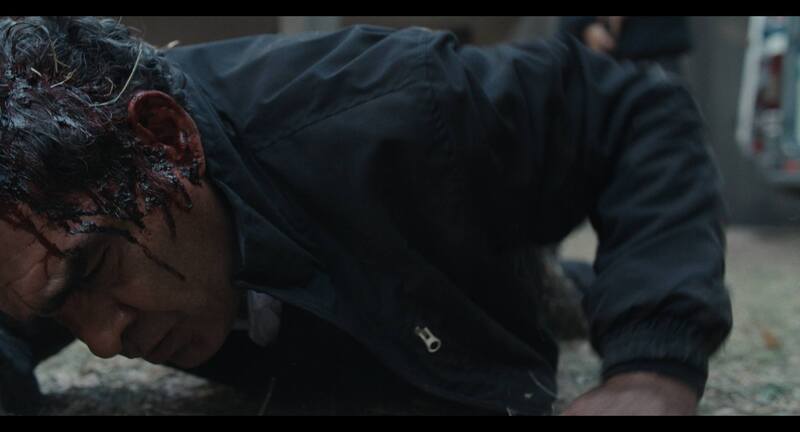
RAVING REVIEW: A man is alive in a coffin in THE REBORN, and the people digging him up are there to finish a job. Santiago Esteves gives us the grave before explaining what kind of business puts a living man in one. There’s no need to know anything about the people with the shovels to understand why the person inside has the worst seat in the house. It could be the first scene of a horror movie. The image takes on a different kind of menace when it turns out to be part of someone's workday. The people above ground have done this often enough to know who does what once the lid comes off.
Manuel and Oscar make people disappear by faking their deaths and moving them across the border between Argentina and Chile. Pedro Fontaine plays Manuel, who has put the business behind him and taken up work as a rural doctor. Marco Antonio Caponi plays Oscar, the brother he has to work with again when their uncle Horacio, played by Óscar de la Fuente, offers Manuel one last job. The offer belongs to a familiar kind of crime movie. Turning the man who gets it into a rural doctor is a more interesting decision. In either job, somebody may have to trust him with their life and wait for him to do what he said he'd do.
Esteves works backward from the objects people associate with a death. A coffin has a place at a funeral. An ambulance can turn up anywhere and give everybody nearby a reason to get out of the way. Neither object usually makes you wonder whether the people handling it are in the middle of a getaway. The brothers count on that, and the filmmaker takes advantage of the same assumptions. It’s an economical way to explain the business. The audience has already seen enough of what these men handle to know what it usually means, and finding out how the brothers use it is part of watching the job come together.
Horacio can make quitting the business sound like walking out on the family. Horacio raised the brothers, which gives his offer a different force from the usual call from an old associate. He can appeal to a history that started well before anybody was getting paid. A doctor in a mountain town is a respectable thing to become, and a man about to be a father has good reason to want to preserve that life. The men asking Manuel to put it at risk have known him since long before he could decide what kind of man he wanted to be. Esteves leaves room for the possibility that, from their side of the arrangement, the man who went off to build a new life is the one who left somebody else to deal with whether the old one could go on.
Fontaine has talked about working with Caponi and Esteves to make the brothers men who communicate through their actions. They have work they know how to do together, which gives them a way to be in the same place without settling why they've been apart. The film shows the usefulness of that familiarity. Neither brother has to be on good terms with the other to know what he’ll do when it’s time to get to work. The family drama asks for something harder than that. THE REBORN gives their estrangement a clear place in the story, and the men are easier to understand as partners in a job than as brothers with something left to say to each other.
The job starts to look more like a Western when the film takes to the mountain roads. Esteves shot much of the film around Mendoza, including stretches of Argentina's Route 7 toward Chile. The Western is there in the idea that getting far enough down a road can put you in a place where somebody else's rules apply. Crossing an international border gives the movie a specific point at which the job is supposed to be finished. Reaching it takes time and distance the brothers can't simply bargain away. Putting an ambulance in that landscape is a good choice. A vehicle that usually brings help into reach is out on a road through country where help could be a long way off. The chase turns on the practical problem of getting through that country with people you can't afford to trust completely.
Finding a way to shoot those roads at night was its own problem. Esteves and cinematographer Enrique Stindt had stretches of mountain road with no streetlights to work with. For some of the shots that establish the area, they used a short window when the mountains blocked the sun. The edit keeps those images in the same night as the rest of the action. The result gives the darkness some geography. You can see enough of the mountains to understand what the characters are driving into. That keeps the road from feeling like a strip of pavement they could leave whenever they pleased. The darkness leaves the terrain visible without making it look any more inviting.
The pursuit changes the kind of suspense the film deals in. Early on, the question is what somebody could have in mind when they start digging up a grave. Later, a man who thought he had a way out needs the people he's traveling with to keep him alive long enough to get there. Having a destination makes that part of the movie easy to follow. It also puts the film on more familiar ground. A job that began with an eccentric idea for disappearing narrows to the question of who can make it to the border and who can be trusted along the way. The landscape helps give the pursuit its own character. The earlier stretch has a stranger idea of what danger looks like, and the film gets more out of it.
A customer buying a new life has surprisingly little say in how he gets it. A fugitive’s reasons for disappearing might have something to do with the people who already control where he can go. Hiring Manuel and Oscar trades those people for another set of strangers who tell him what’s going to happen to him next. The story puts him in the hands of a family he’d have no reason to know how to read. As a piece of crime writing, that's an ugly fit between the service and the people selling it. A client can buy a way across a border without having any idea what the people taking him there owe each other.
Manuel knows how to give strangers a way out. He's got a different problem when he wants one himself, and that's what gives this familiar last job a reason to be about him. The brothers have a way to make somebody else's absence look permanent. Manuel can move to a mountain town, take up work that does people some good, and find that one person from his old life is enough to put him back where he started. He can arrange for a stranger to vanish. Horacio knows where to find him.
Foundry Communications provided a screener for this review.
Please visit https://linktr.ee/overlyhonestr for more reviews.
Follow me on Letterboxd, Instagram, Twitter, and YouTube. You can also find my social media accounts on most platforms by searching for 'Overly Honest Reviews'.
I’m always happy to hear from my readers; please don't hesitate to say hello or send me any movie questions.
[photo courtesy of INDIE PIX FILMS]
DISCLAIMER:
At Overly Honest Movie Reviews, we value honesty and transparency. Occasionally, we receive complimentary items for review, including DVDs, Blu-rays, CDs, Vinyl Records, Books, and more. We assure you these arrangements do not influence our reviews, as we are committed to unbiased, sincere evaluations. We aim to help you make informed entertainment choices regardless of our relationship with distributors or producers.
Amazon Affiliate Links:
This site also contains Amazon affiliate links. If you purchase through these links, we may receive a commission. This affiliate arrangement does not affect our commitment to honest reviews and helps support our site. We appreciate your trust and support as you navigate these links.


Happy
0 %

Sad
0 %

Excited
0 %

Sleepy
0 %

Angry
0 %

Surprise
0 %
 0
 0


Average Rating