Horror Built Around Silence, Weirdness, and Social Collapse
Read Time:5 Minute, 54 Second
TV SERIES REVIEW
The Creep Tapes: Season Two
 –
– 


Genre: Horror, Thriller, Found Footage
Year Released: 2025
Runtime: 3h
Director(s): Patrick Brice
Writer(s): Mark Duplass, Patrick Brice
Cast: Mark Duplass, David Dastmalchian, Katie Aselton, Robert Longstreet, Timm Sharp, Diego Josef
Where to Watch: available on Blu-ray on June 1, 2026, courtesy of Acorn Media International. All episodes are available to download and keep on digital now
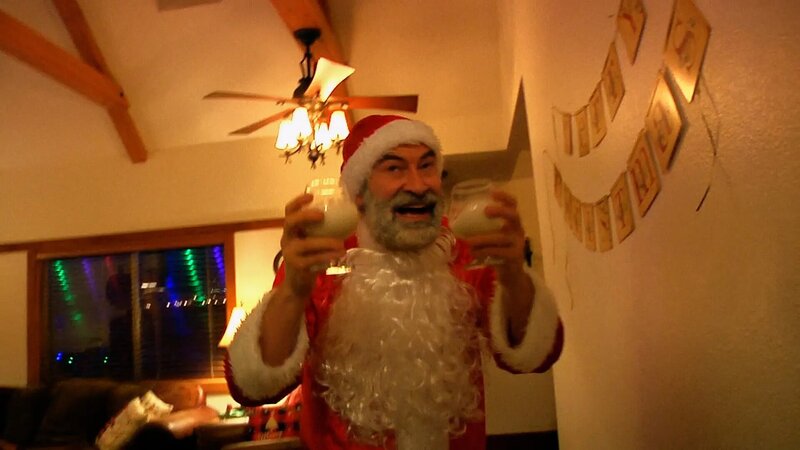
RAVING REVIEW: THE CREEP franchise works because Josef (The Creep/Peachfuzz) doesn’t feel like a traditional horror villain. He feels like the guy who sets off alarm bells the second he starts talking, but everyone around him keeps trying to convince themselves they’re overreacting. That has always been the real source of tension in these stories. Long before anything violent happens, Patrick Brice and Mark Duplass know how to make a simple conversation feel exhausting, invasive, weird, and unsafe. Season two understands that formula well enough to keep finding new ways to make ordinary interactions spiral into genuine discomfort.
What continues to set this franchise apart from most found-footage horror is how aggressively small-scale it remains. There’s no mythology dump, no giant conspiracy, no attempt to transform Peachfuzz into some larger supernatural symbol. The series stays locked inside deeply personal encounters, awkward conversations, and slowly escalating power shifts between predator and victim. That restraint keeps the horror grounded because Duplass never plays Josef like a traditional slasher villain. He behaves more like somebody testing the boundaries of social tolerance in real time, constantly searching for the exact moment another person’s discomfort turns into fear.
Season two leans harder into that chaos. Josef feels less interested in maintaining convincing disguises and more fascinated by performance itself. There’s an almost theatrical quality to several episodes, especially when Duplass starts toying with how much absurdity another person will tolerate before they finally recognize the danger sitting in front of them. The result is a season that often feels funnier than expected right up until the exact second it becomes profoundly unsettling.
That balancing act remains one of the franchise’s greatest strengths. THE CREEP TAPES can pivot from painfully awkward comedy into genuine dread without ever feeling like it’s forcing the transition. One uncomfortable laugh frequently becomes another character’s worst mistake. The series understands how social anxiety naturally overlaps with horror, particularly in situations where people keep convincing themselves they’re overreacting. Josef weaponizes that instinct constantly.
The opening episode featuring David Dastmalchian as a copycat killer immediately sets the tone for the season’s stronger creative confidence. Rather than simply repeating the formula, the episode plays with Josef’s ego and identity, making him feel almost territorial about his own madness. It’s one of the best examples of the show understanding that Josef doesn’t merely enjoy killing people; he enjoys controlling the atmosphere around him. Watching somebody imitate him almost feels like an insult.
Several episodes also experiment more aggressively with genre structure this time around. The “escape room”-inspired installment, featuring Robert Longstreet, introduces a more game-driven setup that could easily have broken the tension that defines the series. It works because the focus remains psychological instead of mechanical. Josef’s behavior stays unpredictable enough that even familiar setups never become what you expect. The audience understands the danger, but never entirely understands the rules.
Duplass deserves enormous credit for how carefully he gauges the character across all six episodes. Lesser performances would eventually reduce Josef into a meme or gimmick. Instead, Duplass somehow makes him feel pathetic, manipulative, childish, lonely, theatrical, and terrifying all wrapped into one. That contradiction keeps the character compelling. Josef isn’t physically imposing in the traditional sense, yet he dominates rooms by leaving others uncertain about how to respond to him.
The found-footage format also continues to serve the franchise well because Brice understands its limitations. Unlike many modern found footage projects that exhaust themselves explaining why cameras are still rolling, THE CREEP TAPES treats recording itself as part of Josef’s pathology. The footage exists because documentation excites him. Recording becomes an extension of his narcissism and performance instincts. That psychological reasoning makes the format feel organic rather than obligatory.
That said, the anthology structure still creates occasional inconsistency. Not every episode hits with the same effectiveness, particularly when the concept leans too heavily on setups rather than character tension. A couple of installments feel more like they were designed around a premise than like genuine psychological escalation, and those episodes lose some of the suffocating intimacy that makes the stronger entries work so well.
Even the weaker episodes remain watchable because Josef himself is such a uniquely effective creation. Modern horror has no shortage of killers designed around elaborate lore or stylized violence, but very few feel this invasive. Duplass plays Josef with the kind of unpredictable energy that makes every interaction feel unstable. The audience spends entire scenes waiting for the moment when awkwardness mutates into danger.
What’s impressive about season two is how little interest it has in redemption, explanation, or overcomplicated backstory. Even when the series offers glimpses into Josef’s history, it avoids reframing him through trauma in a way designed to excuse his behavior. The mystery surrounding him remains more disturbing than any attempt at understanding would allow.
THE CREEP TAPES SEASON TWO succeeds because it remembers exactly what made this franchise memorable in the first place. It isn’t trying to become bigger or louder than necessary. Instead, it sharpens the invasive intimacy, emotional manipulation, and the growing realization that something is wrong long before anyone’s willing to admit it out loud. Even after multiple entries, Peachfuzz still knows how to get under your skin in ways most horror villains never manage.
Please visit https://linktr.ee/overlyhonestr for more reviews.
You can follow me on Letterboxd, Instagram, Twitter, and YouTube. My social media accounts can also be found on most platforms by searching for 'Overly Honest Reviews'.
I’m always happy to hear from my readers; please don't hesitate to say hello or send me any questions about movies.
[photo courtesy of ACORN MEDIA INTERNATIONAL]
DISCLAIMER:
At Overly Honest Movie Reviews, we value honesty and transparency. Occasionally, we receive complimentary items for review, including DVDs, Blu-rays, CDs, Vinyl Records, Books, and more. We assure you that these arrangements do not influence our reviews, as we are committed to providing unbiased and sincere evaluations. We aim to help you make informed entertainment choices regardless of our relationship with distributors or producers.
Amazon Affiliate Links:
Additionally, this site contains Amazon affiliate links. If you purchase through these links, we may receive a commission. This affiliate arrangement does not affect our commitment to honest reviews and helps support our site. We appreciate your trust and support as you navigate these links.


Happy
0 %

Sad
0 %

Excited
0 %

Sleepy
0 %

Angry
0 %

Surprise
0 %
 0
0
 0
0

Average Rating