Silence Is Exactly What They Want
Read Time:7 Minute, 58 Second
MOVIE REVIEW
Miss Representation: Rise Up
 –


Genre: Documentary, Social Issues, Politics, Technology
Year Released: 2026
Runtime: 1h 27m
Director(s): Jennifer Siebel Newsom
Where to Watch: opens at the IFC Center on October 22, 2026
RAVING REVIEW: Fifteen years after Jennifer Siebel Newsom released MISS REPRESENTATION, people are somehow still debating whether women deserve to exist in public without being threatened, humiliated, exploited, and the list goes on. The technology advanced, the methods of harassment have become increasingly cultivated, and an entire generation of young women is growing up in an environment where their bodies and identities can be weaponized against them with a few clicks. MISS REPRESENTATION: RISE UP is an infuriating reminder that recognizing a problem doesn't mean we've done nearly enough to solve it. More importantly, it's an examination of how the fight for women's equality has entered a particularly dangerous stage, one where technology has made misogyny easier to distribute, monetize, and normalize. The worst part is that even comments on this film show why it’s needed now more than ever.
Newsom's original documentary examined how media representations shape public perceptions of women and contributed to their underrepresentation in leadership. It challenged the entertainment industry, politics, advertising, and a culture that valued women's physical appearance over their intelligence and accomplishments. The Representation Project grew from that film, extending its educational and advocacy efforts into conversations about harmful gender stereotypes. For a time, there were reasons to believe meaningful progress was being made. Unfortunately, fifteen years later, the situation has become even more complicated, and in several respects, more hostile.
The new documentary probes the collision between that backlash and a world increasingly designed to maximize engagement, regardless of its consequences. Social media rewards provocative content, online communities encourage increasingly extreme attitudes toward women, and A.I. introduces additional channels for harassment and sexual exploitation. The ability to create nonconsensual deepfakes represents a disturbing development, allowing individuals to manufacture sexualized images of women and girls without their permission. The harm is real, even if the images aren't. The humiliation, intimidation, reputational damage, and loss of autonomy are very real.
Hillary Clinton, Nancy Pelosi, Amy Klobuchar, Gretchen Carlson, Jameela Jamil, and Lisa Ling bring different perspectives on the obstacles women face simply by existing in public life. Their experiences show that women often face scrutiny unrelated to their qualifications or work. Political disagreement is valid, but threats of sexual violence, attacks on someone's appearance, and harassment intended to drive women out of public service aren't just expressions of ideological opposition.
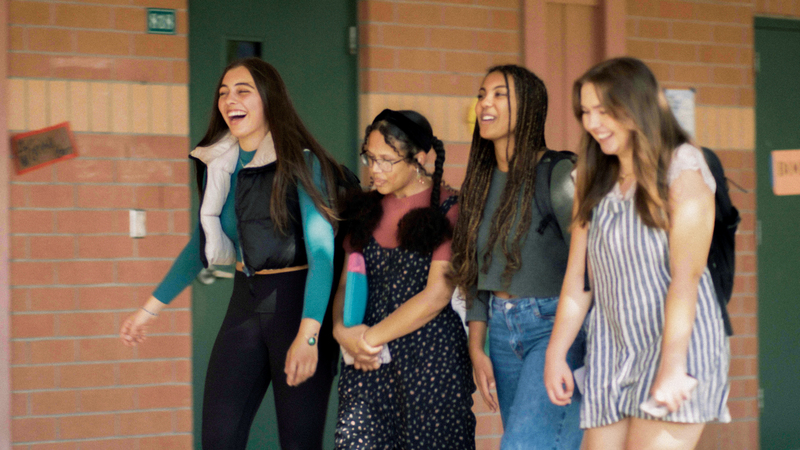
The younger women featured throughout the film are so important because they show how these views shape people long before they reach prominence. Soraya Johnson, a young activist and author, discusses encountering different expectations from those applied to boys, including criticism surrounding how she expresses herself. These experiences contribute to an environment where young women learn that confidence can carry social consequences their male counterparts aren't expected to navigate. The documentary connects those experiences to larger questions about leadership, self-worth, and whose voices society encourages.
Former Florida city commissioner Sabrina Javellana provides a troubling example of how online harassment can affect women's participation in government. After becoming involved in public service at a young age, she faced doxxing, threats, and people creating sexually explicit deepfake images using her likeness. Her experience demonstrates that technological abuse isn't confined to embarrassing someone online. It can disrupt lives, compromise personal safety, and discourage people from continuing to contribute to public life. When women are intimidated out of positions of influence, the consequences extend far beyond the individuals being targeted.
Former Facebook employee and whistleblower Frances Haugen brings important context surrounding platform accountability, while scholar Safiya Umoja Noble has researched how supposedly neutral technologies can reproduce existing discrimination. Nina Jankowicz's work concerning disinformation and online abuse adds another perspective on the relationship between harassment and attempts to silence women. These aren't just people expressing dissatisfaction with social media. Their experiences help explain why treating misogyny as a collection of unrelated incidents ignores the larger environment in which it thrives.
One of the worst things I’ve seen already is some of the dismissive reactions to MISS REPRESENTATION: RISE UP, which are so frustrating. I've seen criticism suggesting the documentary offers nothing especially new, that it's essentially an introduction to feminism, or that its familiar discussions somehow diminish its effectiveness. That overlooks something significant! The issues persist because society repeatedly shows how comfortable it is to let them continue. When someone watches a documentary about inequality and decides that they've heard it all before, I have to wonder why familiarity is being treated as a criticism of the film rather than an indictment of our failure to address the subject.
This doesn’t mean documentaries on important issues should be immune to creative criticism. Structure, editing, research, and presentation absolutely deserve analysis, regardless of how necessary the message might be. Dismissing a film for making its arguments accessible, or expecting every documentary to deliver some unprecedented revelation before accepting it as worthwhile, misunderstands the importance of continued education. People encounter these conversations at different points in their lives. A teenager experiencing online harassment, a parent struggling to understand emerging technology, and an adult who has followed feminist advocacy for decades aren't entering this discussion with the same knowledge base.
I also think it's worth questioning the impulse to let our feelings about individual political figures determine whether the documentary deserves consideration. Jennifer Siebel Newsom's marriage to California Governor Gavin Newsom is hardly a secret, and viewers are entitled to scrutinize the political perspectives represented in her work. But reducing a documentary about widespread harassment, sexual exploitation, and inequality to a joke about who attended a screening with whom just works against the message even more. If a film presents misleading evidence, challenge it. If its conclusions are unsupported, explain why. The real experiences of women and girls shouldn't become collateral damage in someone's attempt to score an easy like.
Moving between reproductive rights, social media algorithms, political harassment, adolescent mental health, and A.I. means certain points receive less examination than they warrant. A longer documentary or companion series could offer more space to explore the scientific, legal, and technological complexities surrounding these issues. The documentary isn't presenting a collection of unrelated grievances. It's examining how different institutions and cultural influences can reinforce restrictions on women's autonomy, participation, and personal safety.
What I appreciated most was the decision to incorporate actionable ideas rather than concluding that the situation is simply too much to confront. Education, stronger institutional accountability, healthier app moderation, and greater support for women entering leadership are all part of the conversation. None of this is an immediate solution, and the documentary doesn’t even pretend otherwise. Creating meaningful change requires continued participation from people who recognize that misogyny isn't exclusively a women's issue to solve. Men and boys have responsibilities in that discussion, especially when the communities they participate in encourage or normalize harmful actions.
MISS REPRESENTATION: RISE UP deserves to be shown in schools, discussed among families, and made available to audiences who might never seek out a documentary about gender inequality. Understanding these issues should be expected, not specialized knowledge. We should care more that young women keep facing hurdles that previous generations worked so hard to expose than whether an experienced viewer finds every observation surprising.
The hatred directed toward women who speak publicly isn't going to disappear because another documentary covered it, and I doubt that Newsom believes otherwise. But dismissing that as commonplace, attacking the messenger because of political associations, or treating awareness as completed progress only makes it harder to address. This film recognizes that silence is one of intimidation's intended outcomes, and its determination to amplify the voices of those affected is especially important. I don't need every documentary to tell me something I've never heard before. Sometimes I need it to show why we're still having the same conversation fifteen years later, and why accepting that repetition as normal isn’t good enough.
Please visit https://linktr.ee/overlyhonestr for more reviews.
Follow me on Letterboxd, Instagram, Twitter, and YouTube. You can also find my social media accounts on most platforms by searching for 'Overly Honest Reviews'.
I’m always happy to hear from my readers; please don't hesitate to say hello or send me any movie questions.
[photo courtesy of ABRAMORAMA]
DISCLAIMER:
At Overly Honest Movie Reviews, we value honesty and transparency. Occasionally, we receive complimentary items for review, including DVDs, Blu-rays, CDs, Vinyl Records, Books, and more. We assure you these arrangements do not influence our reviews, as we are committed to unbiased, sincere evaluations. We aim to help you make informed entertainment choices regardless of our relationship with distributors or producers.
Amazon Affiliate Links:
This site also contains Amazon affiliate links. If you purchase through these links, we may receive a commission. This affiliate arrangement does not affect our commitment to honest reviews and helps support our site. We appreciate your trust and support as you navigate these links.


Happy
0 %

Sad
0 %

Excited
0 %

Sleepy
0 %

Angry
0 %

Surprise
0 %
 0
 0


Average Rating