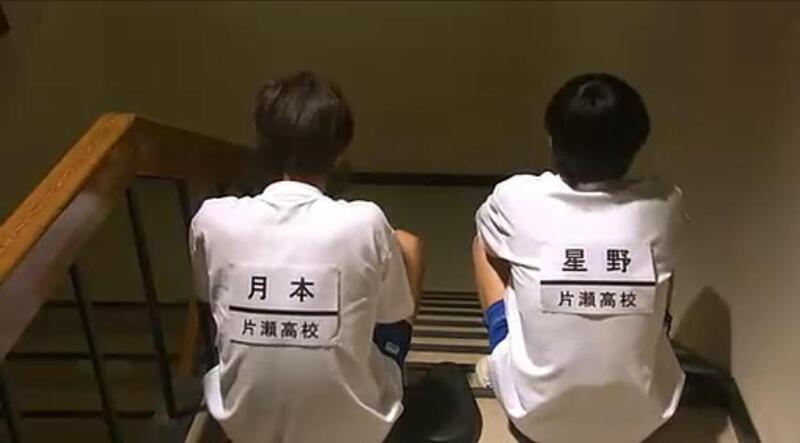
Two Friends Chase Different Futures
Read Time:8 Minute, 40 Second
MOVIE REVIEW
Ping Pong (Pinpon)
 –
– 

Genre: Comedy, Drama, Sport
Year Released: 2002, 2026 88 Films Blu-ray
Runtime: 1h 54m
Director(s): Fumihiko Sori
Writer(s): Kankurō Kudō, based on the manga by Taiyō Matsumoto
Cast: Yōsuke Kubozuka, Arata Iura, Sam Lee, Shidō Nakamura, Kōji Ōkura, Naoto Takenaka
Where to Watch: available now, order your copy here: www.88-films.myshopify.com, www.mvdshop.com, or www.amazon.com
RAVING REVIEW: Peco walks into every room as though the applause has just been delayed, not denied. He boasts about becoming the greatest table-tennis player in the world, hustles weaker opponents for money, and treats practice as something reserved for people with less natural ability. His confidence would be insufferable if Yōsuke Kubozuka didn’t make it so entertaining. Peco isn’t merely convinced that he’s a hero. He has built his entire identity around the assumption that everyone else will eventually recognize it.
His childhood friend Smile already knows the truth. Smile is quieter, more talented, and so emotionally withdrawn that winning appears to mean almost nothing to him. During practice, he deliberately plays beneath his ability and lets Peco preserve the illusion that their relationship hasn’t changed. The arrangement looks kind until it becomes clear that Smile’s kindness is helping his friend remain exactly where he is.
That friendship gives Fumihiko Sori’s PING PONG far more weight than its presentation initially suggests. The film has the outline of a sports drama, complete with rivals, training, injuries, humiliating losses, and a major tournament. It refuses to treat competition as a test of who worked hardest. Every player arrives at the table carrying a different idea about what winning might repair, and several of them discover that the sport can’t give them what they’ve asked from it.
Peco plays because the game once made him feel powerful. As a child, he protected Smile from bullies, brought him into a table-tennis hall, and taught him how to play. That history explains why Smile continues seeing him as a hero long after Peco has stopped earning the title. It also explains why Peco can’t recognize the danger in being protected from honest competition. Losing to Smile would mean more than losing a match. It would force him to admit that the frightened boy he rescued has surpassed him.
Kubozuka gives Peco the restless physicality of someone always performing for an imagined audience. He shouts, poses, races around town, and turns every minor achievement into another chapter of his own perceived legend. His arrogance feels juvenile rather than cruel, which allows his collapse to hurt. Peco hasn’t been pretending to love table tennis. He has simply confused loving it with being entitled to dominate it.
Arata Iura takes the opposite approach to Smile. His performance is controlled to the point of discomfort, with shifts in expression revealing how much the character refuses to say. Smile doesn’t enjoy embarrassing opponents and rarely appears to revel in victory. His reluctance can be mistaken for humility, though the film gradually exposes it as another form of fear. Refusing to care protects him from disappointment, responsibility, and the possibility that using his ability might change the relationships around him.
Coach Butterfly Joe recognizes the problem and begins pushing Smile toward a more demanding version of the sport. Naoto Takenaka gives the coach enough eccentricity and humor to keep him from becoming a mentor dispensing life lessons between drills. Joe sees Smile’s potential, but his investment also carries the weight of his own unfinished experiences. Training the player offers another chance to confront choices that have followed him long after his competitive years ended.
The film doesn’t present discipline as a cure. Smile gets better because someone finally stops accepting his detachment as maturity, but increased skill creates new complications. The better he becomes, the harder it is to avoid what his talent means for Peco. Friendship has allowed them to remain emotionally frozen since childhood. Competition threatens that stability while also offering the only honest way forward.
The other players deepen that conflict. Kong Wenge, known as China by the Japanese students, has fallen out of his country’s elite training program and now plays abroad under the shadow of failure. Sam Lee gives him a bitterness shaped by humiliation rather than hostility. Kong is better than nearly everyone around him, but he has already experienced what happens when excellence is judged inadequate. His matches carry stakes that the school players can barely understand; Peco dreams of becoming the best because the dream feels exciting. Kong has lived inside a system where being among the best wasn’t enough to protect him. The difference gives his confidence a harsher edge. Each victory is an attempt to prove that his removal from the national program wasn’t the final judgment on his ability.
Dragon represents another version of success. Shidō Nakamura plays him with a toughness, a shaved head, and the concentration of someone who treats table tennis as military service. He has achieved the status Peco claims to deserve, though there’s little joy in maintaining it. Dragon’s discipline has made him nearly unbeatable while leaving him trapped by the expectation that he must remain so. Nakamura gradually reveals the anxiety beneath that imposing presence. Dragon doesn’t fear one particular opponent. He fears the identity crisis waiting behind any defeat. Winning has become less an achievement than the condition allowing his life to remain intact. The film never asks us to dislike him for that fear, even when his intensity makes him appear almost inhuman across the table.
Sakuma occupies the least forgiving position. He has trained, sacrificed, and pushed himself without receiving the natural ability granted to others. Kōji Ōkura gives that frustration a blunt force that cuts through the film’s lighter humor. Sakuma understands what sports stories often refuse to admit. Effort can improve a person without making them capable of reaching the goal they chose. His presence prevents PING PONG from becoming just a celebration of perseverance. Hard work matters, but biology, opportunity, temperament, and circumstance matter too. Some players discover what they’re capable of achieving. Others discover the distance between devotion and talent. The film treats both realizations seriously.
Every player changes the cadence. Smile reads opponents with an eerie calm. Dragon applies a relentless pressure. Kong attacks with the urgency of someone trying to reclaim a future. Peco is at his best when instinct, invention, and enjoyment take over before his ego has time to interfere. The contrast gives the tournament shape and keeps the matches from becoming interchangeable displays of back-and-forth.
The soundtrack adds a lot to that impulse through electronic music, hip-hop, rock, and sudden tempo changes. Training scenes have the rush of personal reinvention rather than just preparation. Matches can feel playful, hostile, desperate, or ecstatic depending on who has taken control. The music embraces the characters’ youth without pretending their problems are insignificant because they’re young.
The dialogue can become a little too direct in places. Characters explain lessons already visible through their decisions, particularly as the tournament approaches its final matches. Sori’s images and the actors’ performances are usually expressive enough to carry those ideas without extra guidance. The film loses some confidence whenever it stops to underline what friendship, effort, or defeat has taught someone. Its treatment of women is another noticeable limitation. Mari Natsuki is memorable as Obaba, the table-tennis hall owner who has watched Peco grow from an excited child into an undisciplined teenager. She brings humor, affection, and authority to the role, though the story remains overwhelmingly focused on boys and men defining themselves through competition.
These things don’t weaken the friendship holding the film together. Peco and Smile don’t need to defeat a villain, win a prize, or deliver a speech about what they mean to one another. They just need to stop protecting the versions of themselves created during childhood. Smile must stop allowing Peco to win. Peco must become someone capable of receiving that honesty without breaking. Their eventual conflict carries years of admiration, resentment, dependence, and affection. The possibility of facing each other matters because the match could destroy the understanding that has kept them close. It could also create something healthier in its place. A real friendship can’t survive forever on one person pretending to be weaker so the other can remain a hero.
Kong, Dragon, Sakuma, Peco, and Smile all enter the tournament seeking proof of something, and not everyone receives the answer they wanted. Victory brings relief, pressure, recognition, or nothing at all. Defeat can crush a person, release them, or finally force an honest decision. Peco once saved Smile by teaching him how to play. Years later, Smile saves Peco by refusing to continue the lie. Their friendship doesn’t depend on either of them remaining who they were as children. It depends on whether they can return what the other sends across the table.
Please visit https://linktr.ee/overlyhonestr for more reviews.
You can follow me on Letterboxd, Instagram, Twitter, and YouTube. You can also find my social media accounts on most platforms by searching for 'Overly Honest Reviews'.
I’m always happy to hear from my readers; please don't hesitate to say hello or send me any questions about movies.
[photo courtesy of 88 FILMS, MVD ENTERTAINMENT]
DISCLAIMER:
At Overly Honest Movie Reviews, we value honesty and transparency. Occasionally, we receive complimentary items for review, including DVDs, Blu-rays, CDs, Vinyl Records, Books, and more. We assure you that these arrangements do not influence our reviews, as we are committed to providing unbiased and sincere evaluations. We aim to help you make informed entertainment choices regardless of our relationship with distributors or producers.
Amazon Affiliate Links:
Additionally, this site contains Amazon affiliate links. If you purchase through these links, we may receive a commission. This affiliate arrangement does not affect our commitment to honest reviews and helps support our site. We appreciate your trust and support as you navigate these links.


Happy
100 %

Sad
0 %

Excited
0 %

Sleepy
0 %

Angry
0 %

Surprise
0 %
 1
1
 0
0


Average Rating